
As the busiest retail season approaches, planning your Q4 Jewelry Orders becomes critical for success. The fourth quarter, driven by holidays such as Christmas, Black Friday, and New Year celebrations, represents a significant portion of annual jewelry sales. To meet demand and avoid costly delays, understanding production lead time is essential.
Production lead time refers to the total time required to manufacture and deliver jewelry products—from initial design approval to final shipment. For wholesalers, retailers, and jewelry brands, managing this timeline effectively ensures inventory readiness, customer satisfaction, and maximum profitability.
In this guide, we’ll break down production lead time, explain its importance, and provide actionable strategies to help you plan your Q4 Jewelry Orders with confidence.

What Is Production Lead Time?
Production lead time is the duration between placing an order with a manufacturer and receiving the finished goods. It includes several stages, each contributing to the overall timeline.
Key Stages of Production Lead Time
Understanding each phase helps you plan more accurately:
- Design and Approval: Finalizing product designs, specifications, and samples
- Material Sourcing: Procuring gemstones, metals, and components
- Manufacturing: Casting, setting, polishing, and finishing
- Quality Control: Inspection and testing to ensure standards
- Packaging and Shipping: Preparing products for delivery and transportation
Each stage can vary depending on complexity, order volume, and supplier capabilities.
Why Production Lead Time Matters for Q4 Jewelry Orders
The fourth quarter is highly competitive, and delays can result in missed sales opportunities. Proper planning ensures your products are available when customers are ready to buy.
Avoiding Stockouts
Running out of inventory during peak season can damage your brand reputation and lead to lost revenue. Planning your Q4 Jewelry Orders early helps maintain consistent stock levels.
Managing High Demand
Holiday demand often exceeds expectations. By accounting for production lead time, you can scale your inventory to meet customer needs without overstocking.
Ensuring Timely Delivery
Late deliveries can disrupt marketing campaigns and retail schedules. Accurate lead time planning ensures your products arrive before key sales events.
Typical Lead Times in Jewelry Production
Lead times can vary depending on the type of jewelry and manufacturing process.
Standard Production Timelines
- Simple Designs: 3–5 weeks
- Moderate Complexity: 5–8 weeks
- Custom or High-End Pieces: 8–12 weeks or more
These timelines may extend during peak seasons due to increased demand.
Factors That Affect Lead Time
Several variables can impact production timelines:
- Order quantity
- Design complexity
- Availability of raw materials
- Supplier capacity
- Shipping method and location
Understanding these factors allows you to plan your Q4 Jewelry Orders more effectively.
When to Start Planning Your Q4 Jewelry Orders
Timing is everything when preparing for the holiday season.
Ideal Planning Timeline
To ensure smooth operations, consider the following schedule:
- Q2 (April–June): Finalize designs and confirm suppliers
- Early Q3 (July–August): Place initial orders and approve samples
- Late Q3 (September): Begin production and monitor progress
- Early Q4 (October): Receive inventory and prepare for sales
Starting early reduces the risk of delays and allows flexibility for adjustments.
Strategies to Optimize Production Lead Time
Efficient planning can significantly reduce delays and improve overall performance.
Work with Reliable Suppliers
Choose manufacturers with proven track records, transparent communication, and consistent delivery timelines. Strong partnerships are key to successful Q4 Jewelry Orders.
Forecast Demand Accurately
Use historical sales data and market trends to estimate demand. Accurate forecasting helps you order the right quantities and avoid last-minute rushes.
Streamline Design Processes
Minimize revisions by finalizing designs early. Clear specifications and detailed communication reduce errors and speed up production.
Maintain Buffer Time
Always include extra time in your schedule to account for unexpected delays such as shipping disruptions or material shortages.
Managing Inventory for Q4 Success
Inventory management plays a crucial role in maximizing sales during peak season.
Balance Stock Levels
Avoid overstocking, which ties up capital, and understocking, which leads to missed opportunities. Strategic planning ensures optimal inventory levels.
Diversify Product Range
Offer a mix of best-selling items and new designs to attract a wider audience. This approach enhances your Q4 Jewelry Orders strategy.
Monitor Sales Trends
Track real-time sales data to adjust inventory and reorder quickly if needed.
Common Challenges in Q4 Jewelry Orders
Even with careful planning, challenges can arise.
Supply Chain Disruptions
Global supply chain issues can affect material availability and shipping times. Staying informed and flexible helps mitigate risks.
Production Bottlenecks
High demand can strain manufacturing capacity. Early ordering and clear communication with suppliers can prevent delays.
Quality Control Issues
Rushed production may lead to quality concerns. Ensure thorough inspections to maintain brand standards.
Tips for Successful Q4 Jewelry Orders
To maximize your success during the holiday season, follow these best practices:
- Start planning early and stick to timelines
- Communicate regularly with suppliers
- Prioritize best-selling products
- Prepare backup plans for delays
- Invest in reliable logistics partners
These strategies help ensure your Q4 Jewelry Orders are delivered on time and meet customer expectations.
The Role of Technology in Lead Time Management
Modern tools can enhance efficiency and visibility throughout the production process.
Digital Tracking Systems
Use software to monitor production stages, track shipments, and manage inventory in real time.
Data-Driven Decision Making
Analyze data to identify trends, optimize ordering schedules, and improve forecasting accuracy.
Planning your Q4 Jewelry Orders requires a clear understanding of production lead time and proactive management. By starting early, working with reliable suppliers, and implementing effective strategies, you can ensure your inventory is ready for the busiest season of the year.
Successful lead time management not only prevents delays but also enhances customer satisfaction and boosts sales performance. With the right approach, your jewelry business can thrive during Q4 and beyond.



Jewelry Blog
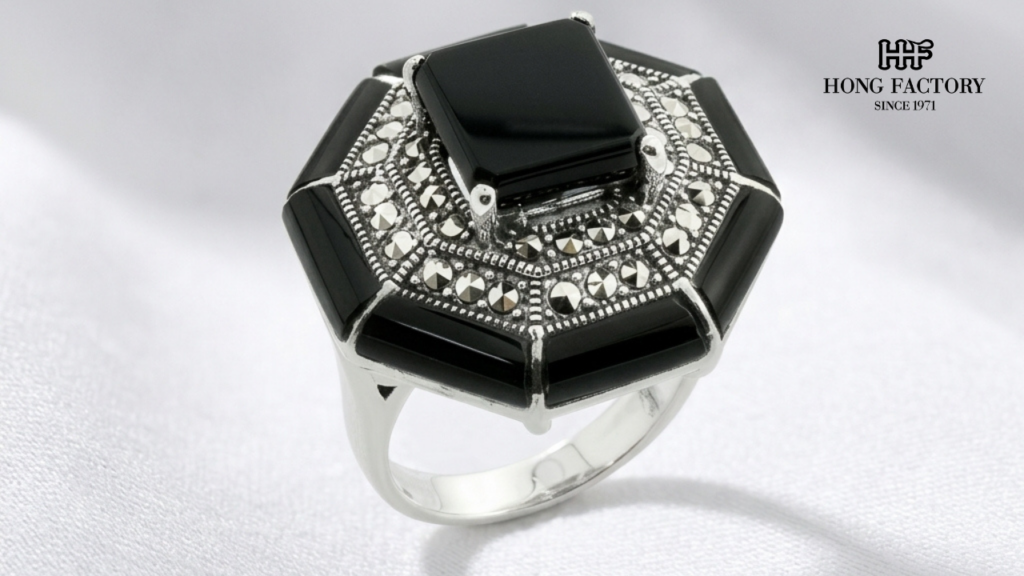
Why Rhodium Plating Is Used on Sterling Silver Jewelry
Rhodium plating is applied to sterling silver jewelry to [...]
Sep
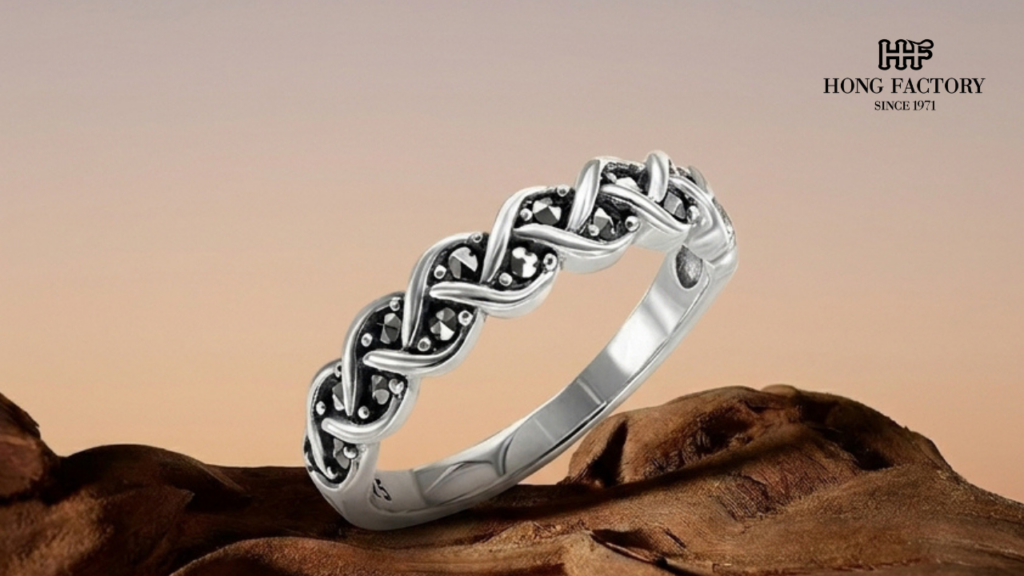
Why Sterling Silver 925 Is Popular for Jewelry Manufacturing
Sterling silver 925 is one of the most widely [...]
Sep
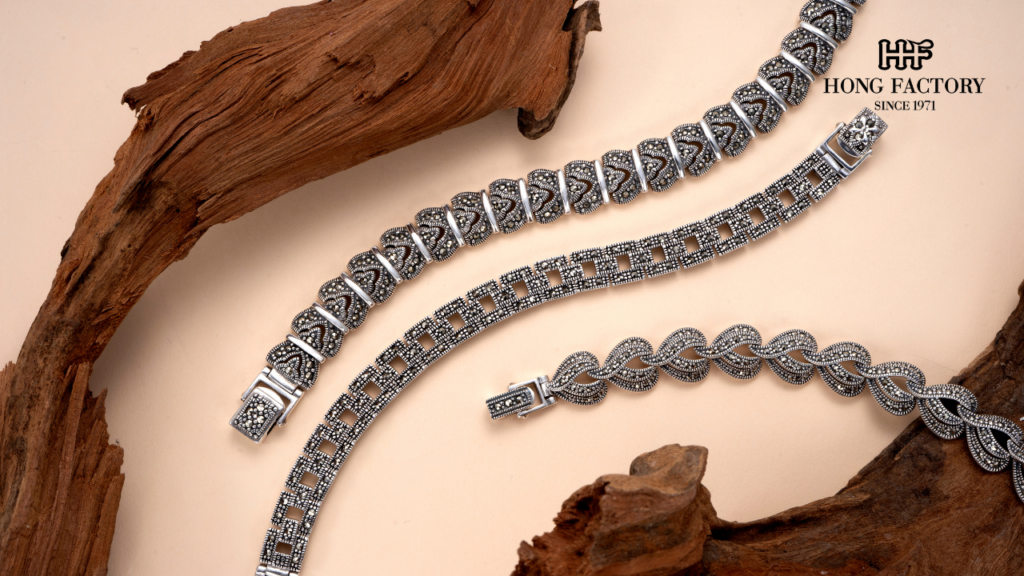
Inside a Jewelry Factory: How Sterling Silver Jewelry Is Made
Sterling silver jewelry may look delicate and effortless, but [...]
Sep
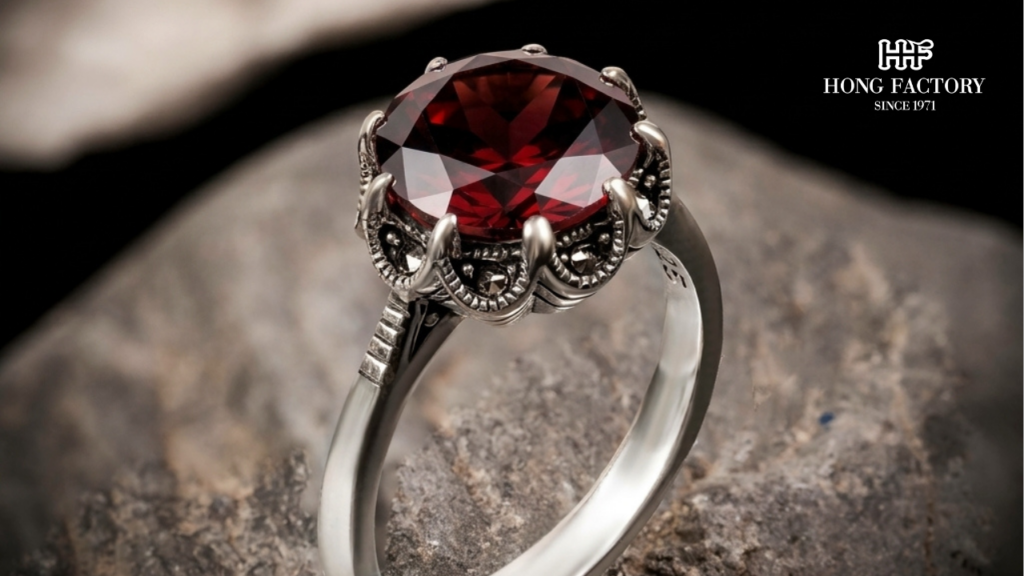
Garnet Gemstone: Meaning, Colors and Jewelry Guide
Garnet is a popular gemstone family known for its [...]
Sep
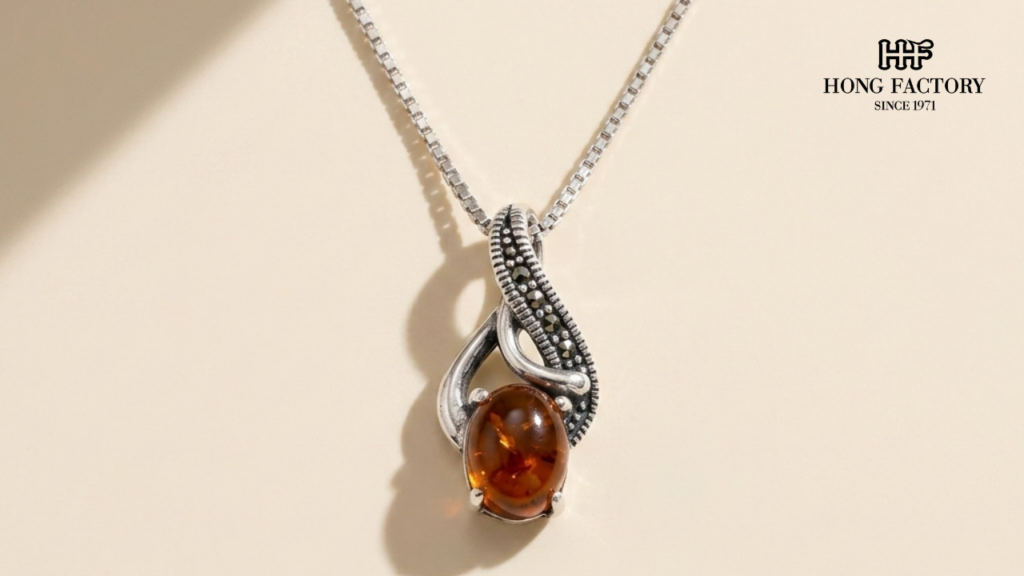
Citrine Gemstone: Meaning, Color and Jewelry Guide
Citrine is a popular gemstone known for its warm [...]
Sep
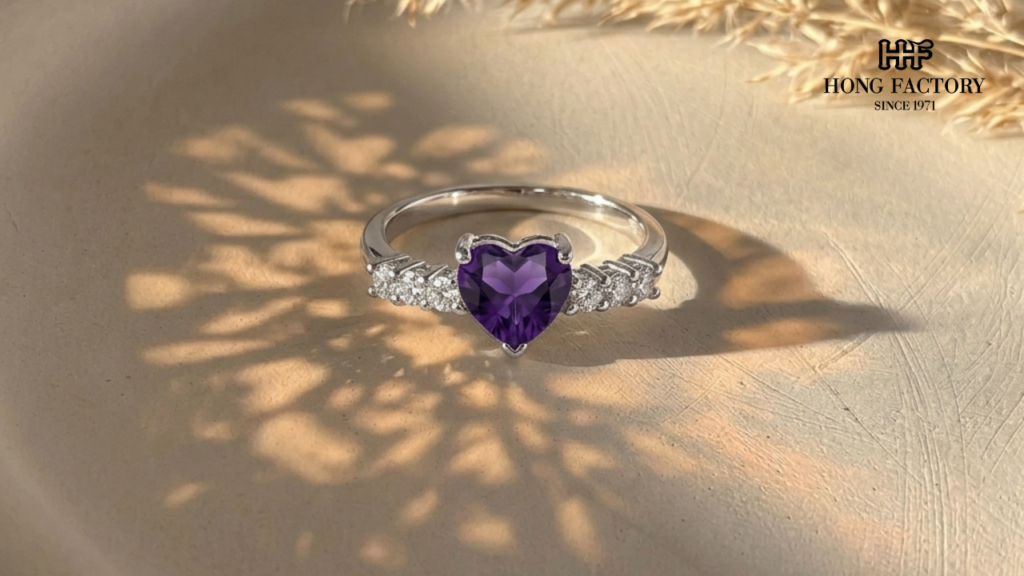
Amethyst Gemstone: Meaning, Color and Jewelry Guide
Amethyst is a popular gemstone known for its beautiful [...]
Sep
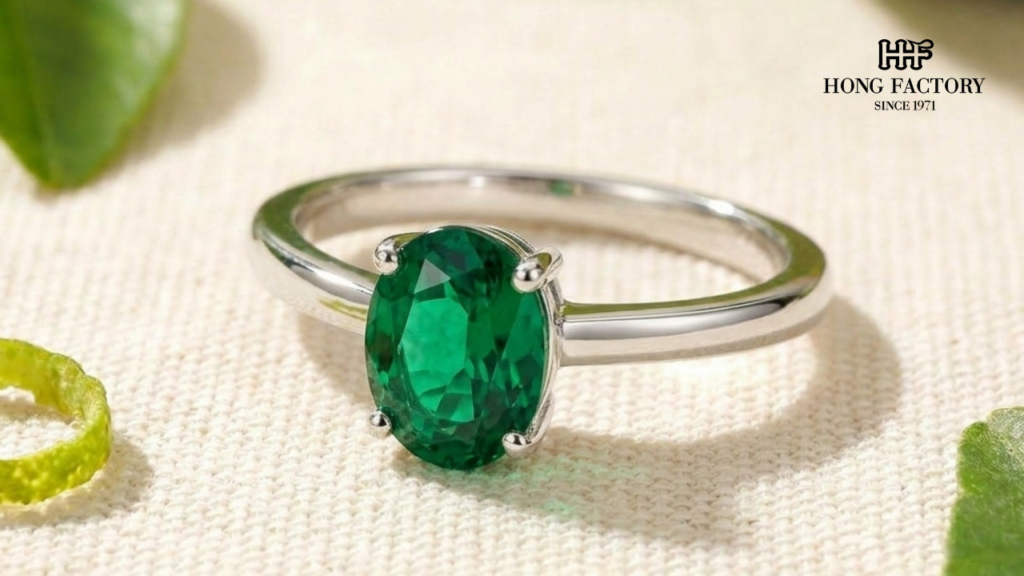
Emerald Gemstone: Meaning, Color and Jewelry Guide
Emerald is a popular gemstone known for its rich [...]
Sep
Sapphire Gemstone: Meaning, Colors and Jewelry Guide
Sapphire is a popular gemstone known for its beauty, [...]
Sep