
If you’ve ever shopped for silver jewelry, you’ve probably come across terms like Sterling Silver 925 and silver plated. At first glance, they may look almost identical. Both have a bright, elegant finish and can be crafted into beautiful rings, necklaces, bracelets, and earrings. However, beneath the surface, these two materials are vastly different in terms of quality, durability, value, and longevity.
For consumers and jewelry retailers alike, understanding the difference is essential. While silver plated jewelry may offer an affordable alternative, Sterling Silver 925 remains the industry standard for fine silver jewelry due to its lasting beauty and superior craftsmanship.
In this guide, we’ll explain everything you need to know about Sterling Silver 925, how it compares to silver plated jewelry, and how to identify the genuine article before making a purchase.
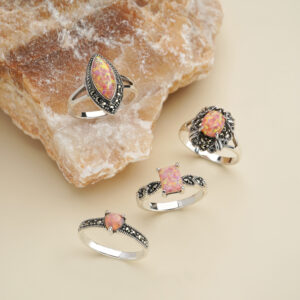
What Is Sterling Silver 925?
Sterling Silver 925 is a precious metal alloy made of 92.5% pure silver and 7.5% other metals, typically copper.
Pure silver (99.9%) is naturally soft and can easily bend or scratch, making it unsuitable for everyday jewelry. By adding a small percentage of other metals, manufacturers create a stronger, more durable material while maintaining silver’s brilliant appearance.
This combination has become the global standard for high-quality silver jewelry.
Why Is It Called “925”?
The number 925 refers to the silver content.
- 925 = 92.5% pure silver
- 75 = 7.5% strengthening alloy
Authentic Sterling Silver 925 jewelry is often stamped with one of the following hallmarks:
- 925
- S925
- Sterling
- Sterling Silver
- .925
These marks help verify that the jewelry meets international sterling silver standards.
What Is Silver Plated Jewelry?
Silver plated jewelry is made from a base metal, such as brass, copper, or stainless steel, that is coated with a very thin layer of silver through an electroplating process.
Unlike Sterling Silver 925, only the outer surface contains silver.
Although silver plated jewelry may initially resemble sterling silver, the coating gradually wears away with regular use, exposing the underlying metal.
Because of this, silver plated jewelry is generally considered fashion jewelry rather than fine jewelry.
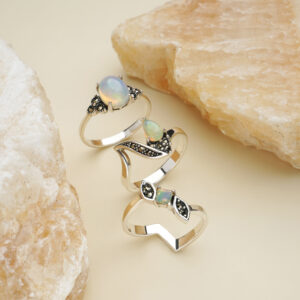
Sterling Silver 925 vs Silver Plated: Key Differences
Material Composition
The biggest difference lies in what the jewelry is made of.
Sterling Silver 925
- Contains 92.5% genuine silver throughout the entire piece.
- Maintains its value over time.
- Can be polished repeatedly.
Silver Plated
- Base metal with only a thin silver coating.
- Once the coating wears off, the underlying metal becomes visible.
- Cannot be restored indefinitely.
Durability
One of the greatest advantages of Sterling Silver 925 is its durability.
Because the entire piece is made from sterling silver, scratches or minor tarnish can be polished away without damaging the jewelry.
Silver plated jewelry, however, loses its silver finish over time.
Frequent wear, exposure to water, cosmetics, perfumes, or sweat can accelerate the wearing process.
Appearance Over Time
New silver plated jewelry often looks almost identical to Sterling Silver 925.
However, after months of regular use, differences begin to appear.
Sterling silver develops a natural patina that many people appreciate because it adds character and can easily be polished back to its original shine.
Silver plated jewelry may become dull, uneven, or reveal yellow or copper-colored areas where the plating has worn away.
Value
Sterling Silver 925 has intrinsic precious metal value.
Because it contains real silver throughout the piece, it retains value and is often considered a long-term investment.
Silver plated jewelry has little precious metal value because only a microscopic layer of silver is applied.
For customers looking for jewelry that lasts, Sterling Silver 925 offers significantly better long-term value.
How to Identify Genuine Sterling Silver 925
Whether you’re shopping online or in-store, there are several ways to identify authentic Sterling Silver 925.
Look for Hallmarks
Most reputable manufacturers stamp sterling silver jewelry with markings such as:
- 925
- S925
- Sterling
- .925
These stamps are commonly found:
- Inside rings
- On bracelet clasps
- Pendant bails
- Necklace clasps
- Earring posts
Although the hallmark is an important indicator, buyers should also purchase from trusted jewelry brands because counterfeit stamps do exist.
Check the Weight
Because sterling silver is a precious metal, it generally feels heavier than inexpensive plated jewelry.
A substantial feel often indicates higher quality materials.
Observe the Tarnish
Many buyers mistakenly believe tarnish means poor quality.
In reality, genuine Sterling Silver 925 naturally oxidizes over time due to exposure to air and moisture.
The good news is that tarnish can easily be removed with a silver polishing cloth.
Silver plated jewelry usually doesn’t tarnish in the same way—it simply loses its silver coating.
Buy from Reputable Suppliers
The safest way to ensure authenticity is purchasing from established manufacturers or authorized jewelry retailers.
Reliable suppliers provide:
- Material certifications
- Consistent quality control
- Hallmarked products
- Transparent manufacturing standards
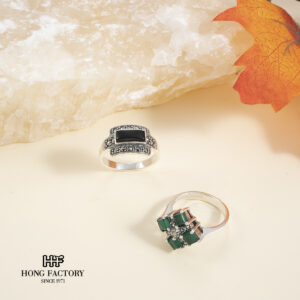
Advantages of Sterling Silver 925
There are many reasons why Sterling Silver 925 remains one of the world’s most popular jewelry materials.
Long-Lasting Beauty
With proper care, sterling silver jewelry can last for decades.
Unlike plated jewelry, it can be polished repeatedly without losing its silver content.
Excellent Craftsmanship
Sterling silver is ideal for detailed jewelry making.
Manufacturers can create intricate vintage, contemporary, floral, animal, and Art Deco designs while maintaining durability.
Hypoallergenic Properties
High-quality Sterling Silver 925 is generally suitable for sensitive skin because it contains minimal irritating metals.
However, individuals with specific metal allergies should always verify the alloy composition.
Better Investment
Although more expensive than silver plated jewelry, sterling silver provides significantly better long-term value.
Customers enjoy genuine precious metal ownership while retailers benefit from increased customer satisfaction and repeat purchases.
When Should You Choose Silver Plated Jewelry?
Silver plated jewelry still has its place in the market.
It may be suitable for:
- Fashion accessories
- Trend-driven collections
- Occasional wear
- Costume jewelry
- Budget-conscious shoppers
However, customers seeking heirloom-quality pieces or everyday jewelry will generally benefit more from Sterling Silver 925.
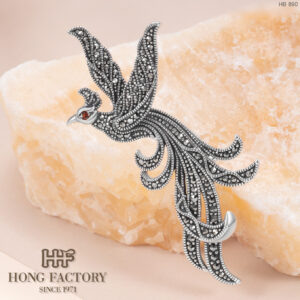
Caring for Sterling Silver 925
Proper maintenance keeps sterling silver looking beautiful for years.
Follow these simple care tips:
Store Properly
Keep jewelry in airtight bags or anti-tarnish pouches when not in use.
Avoid Chemicals
Remove jewelry before swimming or using perfumes, lotions, or household cleaners.
Clean Regularly
Use a soft silver polishing cloth to restore shine and remove tarnish.
Wear It Often
Interestingly, wearing Sterling Silver 925 regularly can actually help reduce tarnish because natural skin oils slow oxidation.
Frequently Asked Questions
Does Sterling Silver 925 rust?
No. Sterling silver does not rust, but it can naturally tarnish due to oxidation. Tarnish is normal and can be easily polished away.
Is Sterling Silver 925 real silver?
Yes. Sterling Silver 925 contains 92.5% genuine silver and is recognized worldwide as the standard for fine silver jewelry.
Can silver plated jewelry be polished?
Only lightly. Aggressive polishing may remove the thin silver layer, exposing the base metal underneath.
Which is better for everyday wear?
Sterling Silver 925 is the better choice because it is more durable, longer lasting, and maintains its appearance with proper care.
While Sterling Silver 925 and silver plated jewelry may look similar at first, their quality, durability, and value are fundamentally different.
Sterling Silver 925 offers genuine precious metal content, superior craftsmanship, long-lasting beauty, and the ability to be polished and enjoyed for decades. Silver plated jewelry, on the other hand, provides a more affordable option for temporary fashion trends but lacks the longevity and value of sterling silver.
Whether you’re a jewelry retailer building a premium collection or a customer investing in timeless accessories, choosing Sterling Silver 925 ensures lasting quality, elegance, and confidence with every purchase.



Jewelry Blog
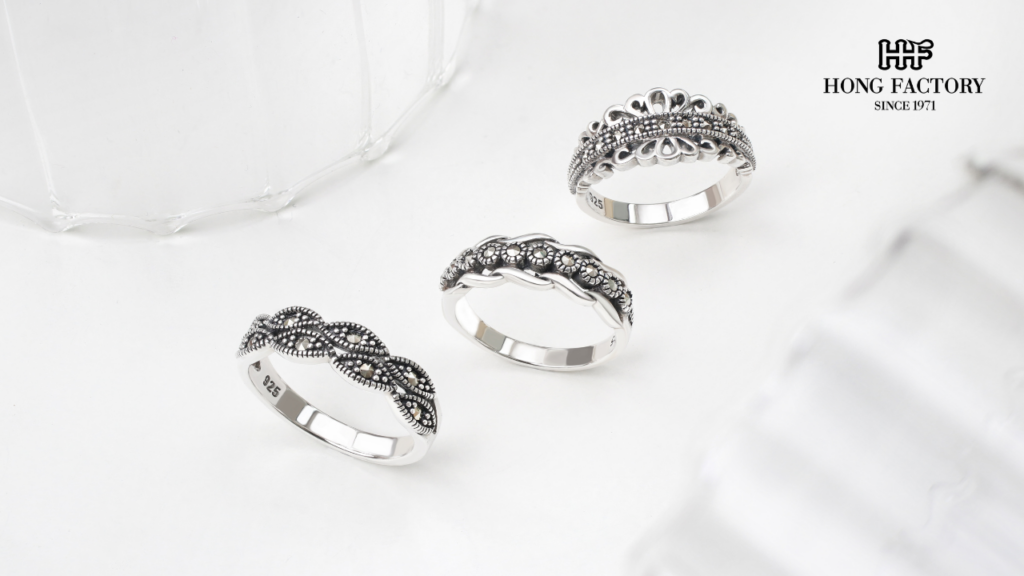
Sterling Silver 925 vs Silver Plated: How to Spot the Difference
If you’ve ever shopped for silver jewelry, you’ve probably [...]
Jul
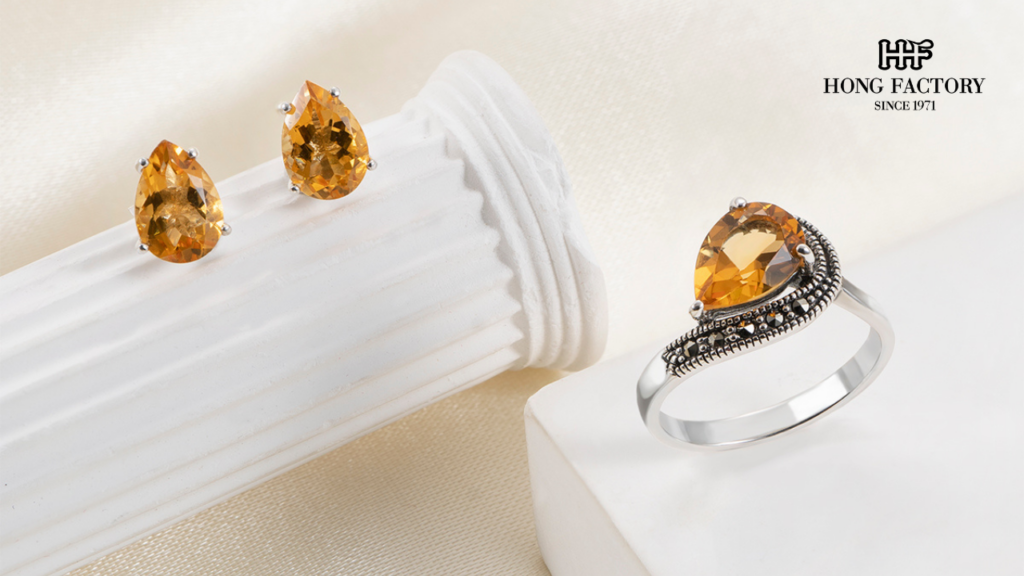
What Is Marcasite? The Complete Guide for Jewelry Retailers
Marcasite jewelry has remained a timeless favorite for decades, [...]
Jul
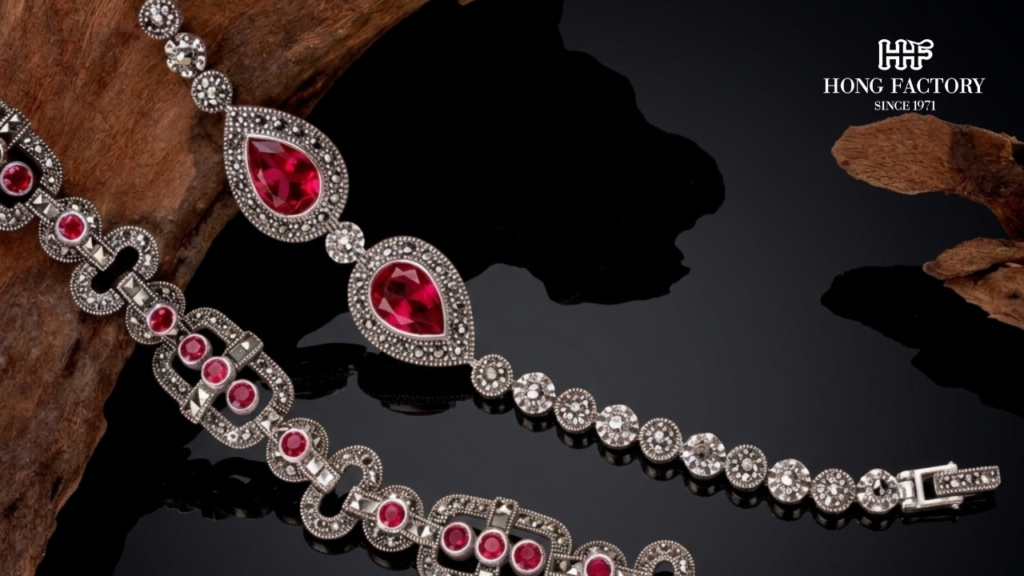
Red Hot: Why Ruby-Toned Jewelry Is Trending This Summer
This summer, bold color is taking center stage—and nothing [...]
Jul
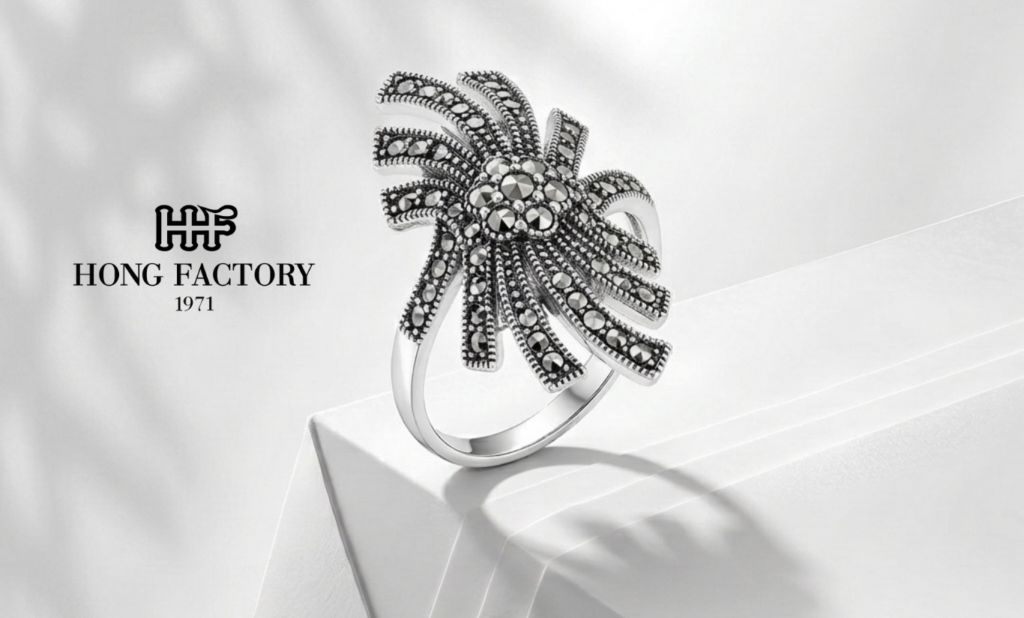
How Marcasite Stones Are Hand-Set into Sterling Silver
The art of setting Marcasite Stones into sterling silver [...]
Jul
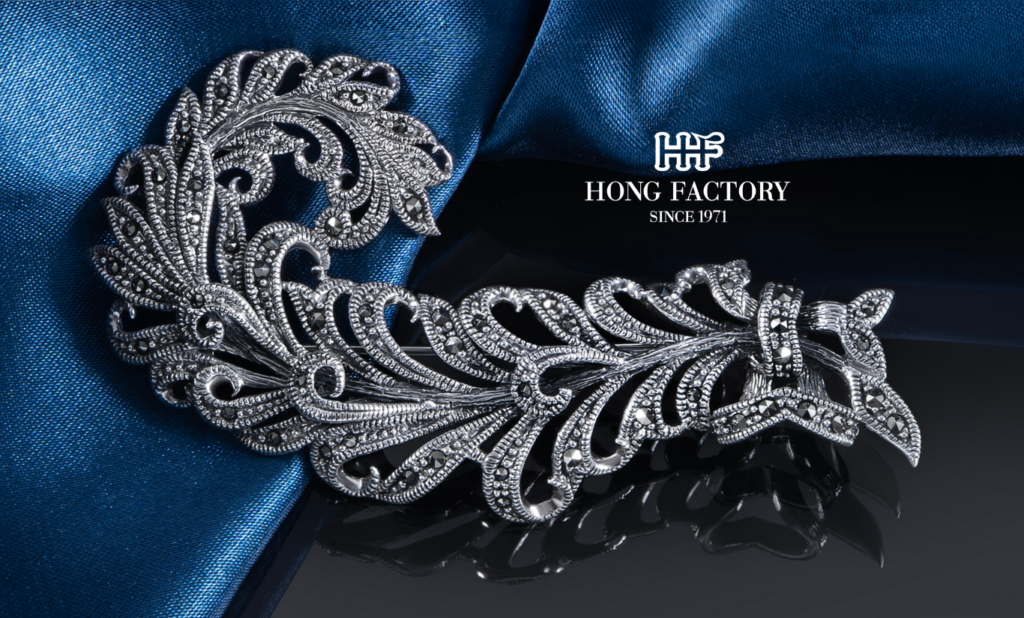
OEM vs ODM: Which Jewelry Manufacturing Model Fits Your Brand?
In today’s competitive global market, choosing the right Jewelry [...]
Jul
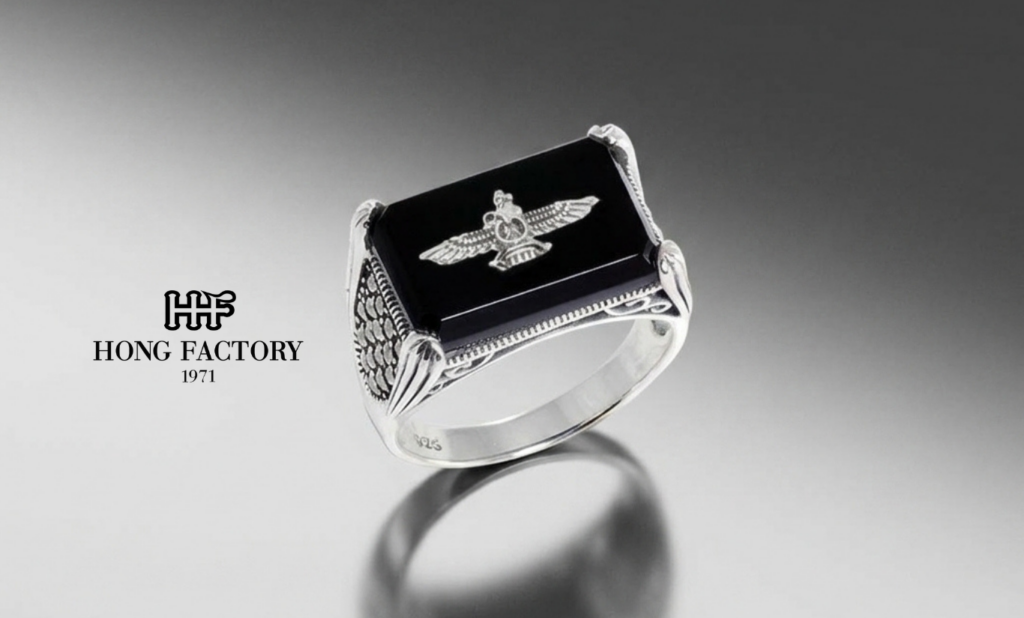
Men’s Silver Jewelry Line: An Untapped Wholesale Opportunity
In today’s evolving fashion landscape, men’s accessories are no [...]
Jul
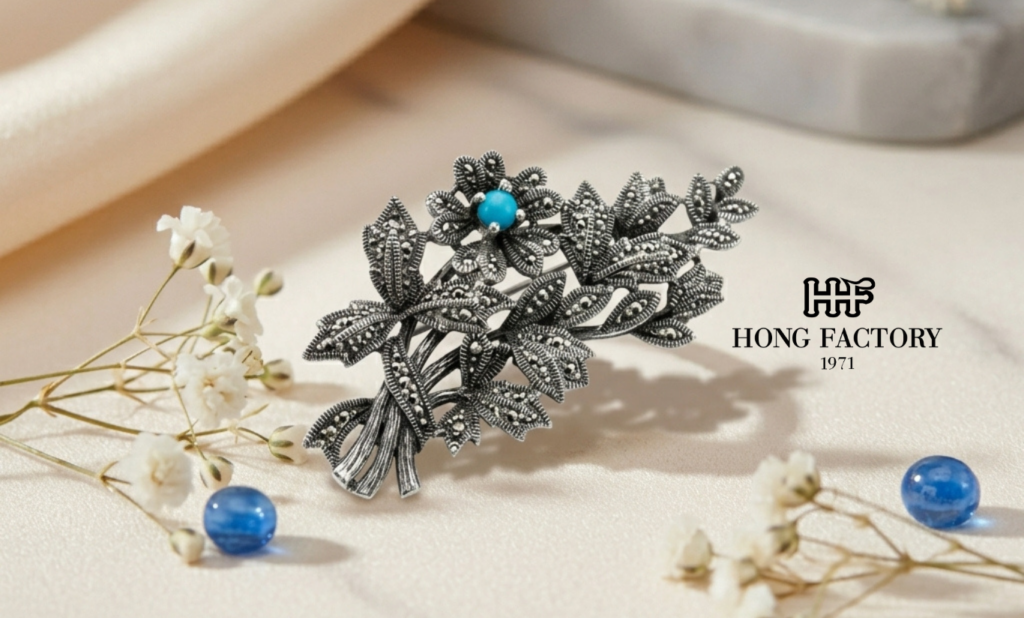
Marcasite Brooch Revival: Vintage Style Meets Modern Wholesale Demand
In the ever-evolving world of fashion jewelry, trends often [...]
Jul
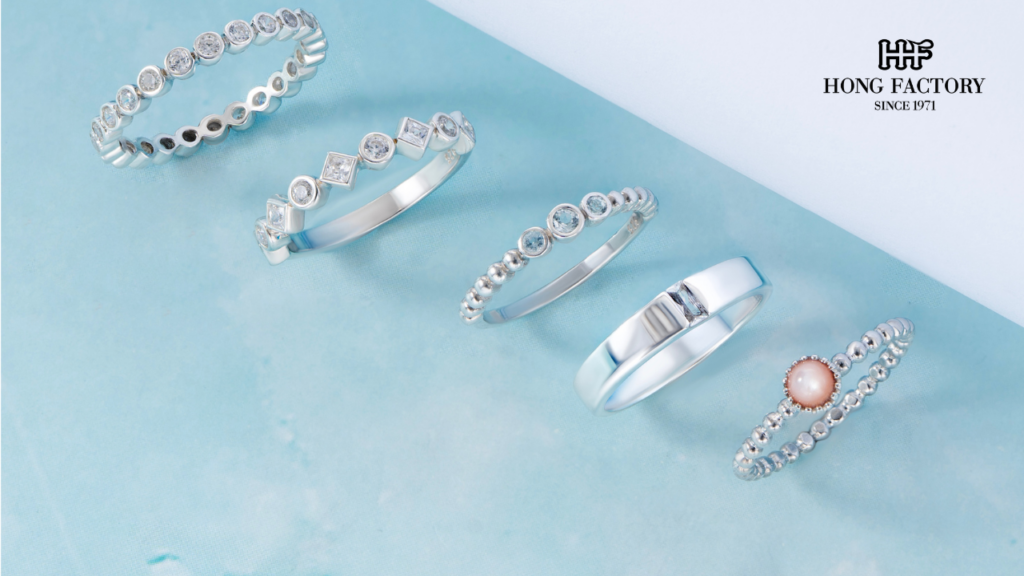
Stackable Silver Rings: A Best-Seller Trend for Retailers
In today’s fast-evolving jewelry market, retailers are constantly searching [...]
Jul