
Quality is one of the most important factors when buying silver jewelry wholesale. Whether you are a jewelry retailer, distributor, importer, or private label brand owner, the quality of your products directly affects customer satisfaction and business reputation.
Silver jewelry may look beautiful at first glance, but its true quality depends on several manufacturing details. These include silver composition, design accuracy, stone setting, polishing, finishing, and product durability.
For wholesale buyers, understanding how manufacturers manage quality can help reduce product defects, avoid unnecessary costs, and build long-term relationships with reliable suppliers.
In this guide, we explain the key quality standards and inspection processes buyers should understand when sourcing silver jewelry from manufacturers.
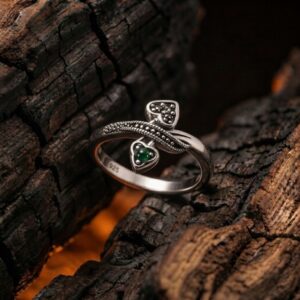
1. Why Quality Control Matters in Silver Jewelry Manufacturing
Quality control is an essential part of the jewelry manufacturing process. It helps ensure that every product meets the required specifications before reaching customers.
Even small manufacturing defects can affect the appearance, comfort, and durability of silver jewelry. For example, loose gemstones, uneven surfaces, weak clasps, or incorrect measurements may lead to customer complaints and product returns.
A reliable Silver Jewelry Quality Control process helps manufacturers identify problems early and maintain consistent product standards across production batches.
For wholesale businesses, consistent quality is especially important because customers expect every item in a collection to meet the same level of craftsmanship.
Good quality management also helps reduce production waste, protect brand reputation, and improve customer confidence.
2. Checking Silver Material and Purity
The first step in evaluating silver jewelry quality is checking the material itself.
Sterling silver, commonly known as 925 silver, contains 92.5% pure silver and 7.5% other metals, usually copper. The additional metals improve strength and durability because pure silver is naturally soft.
When purchasing sterling silver jewelry wholesale, buyers should confirm that the manufacturer uses the correct silver composition.
Important material checks include:
- Silver purity and material specifications.
- Appropriate 925 markings, where applicable.
- Consistency of silver materials across production batches.
- Surface condition and overall material quality.
- Proper documentation or testing when required.
Buyers should also understand the difference between solid sterling silver and silver-plated products. Silver-plated jewelry has a different material structure and should not be marketed as solid sterling silver.
A professional manufacturer should be able to explain its material specifications and provide relevant information about the products.
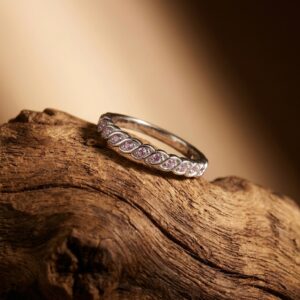
3. Inspecting Jewelry Design and Dimensions
Product accuracy is another important part of manufacturing quality.
Silver jewelry should match the approved design in terms of shape, size, weight, thickness, and overall appearance. Even small differences can become noticeable when customers compare multiple pieces.
For example, rings should have consistent sizes, earrings should have matching proportions, and necklaces should have the correct chain length.
Manufacturers should inspect important product details, including:
- Ring sizes and band thickness.
- Earring dimensions and matching pairs.
- Necklace and bracelet lengths.
- Pendant shapes and decorative details.
- Product weight and structural balance.
An effective Silver Jewelry Quality Control system includes checking finished products against approved samples or technical specifications.
For custom jewelry orders, buyers should approve the final sample before mass production begins. This helps reduce misunderstandings and ensures that the finished collection meets the original design requirements.
4. Checking Gemstone and Marcasite Settings
Many silver jewelry designs feature decorative stones that add color, sparkle, and visual interest.
Common materials include cubic zirconia (CZ), marcasite, and natural or lab-created gemstones. Each material requires appropriate setting techniques and careful inspection.
Loose or incorrectly positioned stones can affect both product appearance and customer satisfaction.
During inspection, manufacturers should check:
- Whether stones are securely attached.
- Whether stones are positioned correctly.
- Whether the arrangement matches the approved design.
- Whether stones have visible chips or cracks.
- Whether decorative details are complete and symmetrical.
For marcasite jewelry, special attention should be given to the small stones and their settings. Since marcasite designs often contain many individual stones, careful workmanship is important to achieve a balanced and attractive finish.
Buyers should also confirm the type and quality of stones used in their orders to ensure that product descriptions accurately reflect the materials.
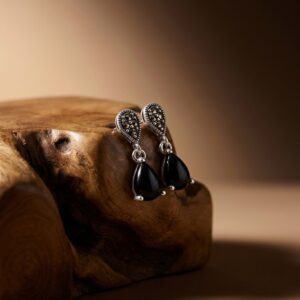
5. Surface Finishing, Polishing, and Plating
The surface finish plays a major role in the final appearance of silver jewelry.
Proper polishing helps create smooth surfaces and enhances the natural shine of sterling silver. Depending on the design, manufacturers may also use different finishing techniques, such as matte, oxidized, or rhodium-plated finishes.
A professional Silver Jewelry Quality Control inspection should examine the following details:
- Smooth and even surfaces.
- Consistent polishing throughout the product.
- No sharp edges or unwanted scratches.
- Clean joints and soldering areas.
- Even plating or surface treatment, where applicable.
- No visible polishing compounds or production residue.
Rhodium plating is commonly used to improve the appearance of silver jewelry and help reduce surface tarnishing. However, plated finishes may wear over time depending on usage and care.
Manufacturers should clearly communicate the finishing options available and any special care requirements.
6. Testing Jewelry Strength and Functionality
Beautiful jewelry should also be comfortable and practical to wear.
Structural quality is particularly important for products with moving parts, clasps, hinges, and delicate connections.
For example, necklaces should have properly functioning clasps, bracelets should have secure connections, and earrings should have reliable posts or hooks.
A proper Silver Jewelry Quality Control procedure may include functional checks such as:
- Opening and closing clasps several times.
- Checking chain links and connection points.
- Inspecting soldered joints.
- Checking earring posts and backings.
- Examining ring structures for weak areas.
- Confirming that moving parts work smoothly.
These checks help identify potential problems before products are packed and shipped.
For wholesale buyers, product functionality is just as important as appearance because defective components may lead to returns and additional service costs.
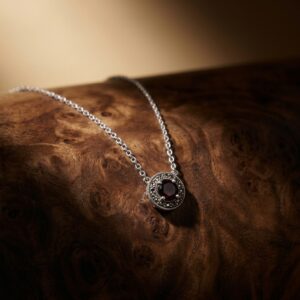
7. Understanding the Different Stages of Quality Inspection
Quality inspection should not happen only at the end of production. It is more effective when manufacturers check products at several stages.
A typical inspection process includes:
Incoming Material Inspection
Silver materials, gemstones, and other components are checked before production begins to confirm that they meet the required specifications.
In-Process Inspection
Products are examined during manufacturing to identify issues with forming, soldering, stone setting, and assembly.
Final Product Inspection
Finished jewelry is checked for appearance, dimensions, functionality, and overall workmanship before packaging.
Pre-Shipment Inspection
Orders are reviewed before dispatch to confirm product quantities, packaging, labeling, and agreed specifications.
Using multiple inspection stages helps manufacturers identify defects earlier and maintain more consistent production standards.
8. How Wholesale Buyers Can Evaluate a Manufacturer’s Quality Standards
Choosing a manufacturer involves more than comparing prices and product designs. Buyers should also understand how the supplier manages quality.
When evaluating potential suppliers, consider asking these questions:
- What silver materials and purity standards do you use?
- Do you inspect products during production?
- How do you check gemstone and marcasite settings?
- Can you provide product samples before bulk orders?
- What happens if products do not meet the agreed specifications?
- Can you support custom designs and private label requirements?
- What quality information can you provide before shipment?
An experienced manufacturer should be able to explain its production procedures and quality expectations clearly.
A dependable Silver Jewelry Quality Control approach also requires good communication between the manufacturer and buyer. Both parties should agree on product specifications, acceptable quality standards, and inspection requirements before production starts.

9. Common Quality Problems Buyers Should Watch For
Understanding common manufacturing defects can help wholesale buyers make better purchasing decisions.
Some issues to watch for include:
- Incorrect silver composition or misleading material descriptions.
- Uneven polishing or visible surface scratches.
- Loose, missing, or damaged stones.
- Mismatched earrings or inconsistent product dimensions.
- Weak clasps and poorly connected chain links.
- Rough edges that may cause discomfort.
- Uneven plating or unfinished areas.
A reliable Silver Jewelry Quality Control process should identify these problems before products reach customers.
Buyers should also establish clear procedures for handling defective products, including inspection deadlines, documentation, and replacement or compensation arrangements.
10. Why Choosing an Experienced Manufacturer Makes a Difference
An experienced silver jewelry manufacturer understands that quality must be maintained throughout the entire production process.
Hong Factory is a Thailand-based sterling silver and marcasite jewelry manufacturer with a history dating back to 1971. Located in Bangkok, the company offers a wide selection of jewelry designs for wholesale customers.
Its collections include rings, earrings, necklaces, bracelets, and pendants made with sterling silver and decorative materials such as marcasite and cubic zirconia.
Hong Factory provides both ready-stock and custom manufacturing options, allowing customers to select existing designs or develop products for their own brands.
For wholesale buyers, working with an established manufacturer can make product sourcing more convenient. Buyers can discuss material requirements, design specifications, finishing options, and order details directly with the supplier.
An effective Silver Jewelry Quality Control approach, supported by manufacturing experience and clear communication, helps create products that meet customer expectations and support long-term business relationships.
Conclusion
Quality control is one of the most important considerations when sourcing silver jewelry wholesale. From checking sterling silver purity and gemstone settings to inspecting polishing, dimensions, and product functionality, every manufacturing detail contributes to the final product.
For wholesale buyers, understanding these processes makes it easier to evaluate suppliers, reduce product defects, and protect brand reputation.
Choosing an experienced manufacturer with clear quality standards can help your business maintain consistent product quality and build customer trust.
If you are looking for a reliable sterling silver and marcasite jewelry manufacturer in Thailand, explore Hong Factory’s collections and wholesale services.
Visit www.hongfactory.com to discover ready-stock jewelry designs and custom manufacturing opportunities.