
In today’s competitive jewelry market, building a strong brand requires more than just beautiful designs—it requires the right manufacturing partner. Whether you are launching a new jewelry business or expanding your existing collection, understanding how custom jewelry manufacturing works is essential.
Two of the most common terms you will encounter when working with a jewelry manufacturer are OEM (Original Equipment Manufacturer) and ODM (Original Design Manufacturer). While both options allow you to create and sell jewelry under your own brand, they differ significantly in terms of flexibility, cost, and development process.
In this guide, we will break down the differences between OEM and ODM, helping you choose the right approach for your business.
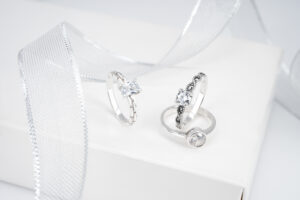
Jewelry Manufacturer: Understanding OEM and ODM Models
A professional jewelry manufacturer typically offers both OEM and ODM services to accommodate different business needs. Choosing between these two models depends on your goals, budget, and level of customization.
OEM and ODM are not just technical terms—they represent two different strategies for building your jewelry brand.
What is OEM (Original Equipment Manufacturer)?
OEM refers to a manufacturing process where the product is made entirely based on your custom design.
In this model, you provide your own concept, sketches, or technical drawings. The manufacturer then produces the jewelry according to your specifications.
Key Features of OEM Jewelry Manufacturing
- Full customization of design
- Unique products exclusive to your brand
- Flexibility in materials, gemstones, and finishing
- Higher development involvement
OEM is ideal for businesses that want to create a strong brand identity and stand out in the market with original designs.
OEM Process Overview
- Concept or sketch submission
- CAD design development
- 3D model or prototype creation
- Sample approval
- Mass production
While OEM offers maximum creative control, it also requires more time and investment during the development stage.
What is ODM (Original Design Manufacturer)?
ODM refers to a manufacturing model where the manufacturer provides ready-made designs that you can customize slightly and sell under your own brand.
Instead of creating a product from scratch, you select from existing collections and adapt them to fit your brand.
Key Features of ODM Jewelry Manufacturing
- Faster production time
- Lower development cost
- Access to proven, market-ready designs
- Limited customization options
ODM is a great choice for businesses that want to launch quickly or test new product lines with minimal risk.
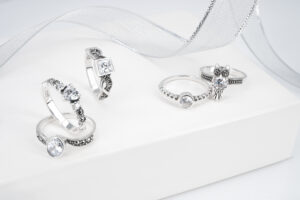
ODM Process Overview
- Select existing designs from catalog
- Customize details (stone color, size, plating)
- Approve samples
- Start production
ODM allows you to enter the market faster while still maintaining a level of brand identity.
OEM vs ODM: Key Differences Explained
Understanding the differences between OEM and ODM is crucial when choosing the right jewelry manufacturer.
1. Design Ownership
- OEM: You own the design completely
- ODM: The manufacturer owns the base design
2. Customization Level
- OEM: Fully customizable
- ODM: Limited customization
3. Time to Market
- OEM: Longer development time
- ODM: Faster production and launch
4. Cost Structure
- OEM: Higher initial investment
- ODM: More cost-effective for startups
5. Brand Differentiation
- OEM: Strong unique identity
- ODM: Moderate differentiation

Which Option is Right for Your Jewelry Business?
Choosing between OEM and ODM depends on your business strategy.
Choose OEM if you:
- Want exclusive designs
- Aim to build a premium or luxury brand
- Have a clear design vision
- Are willing to invest in product development
Choose ODM if you:
- Want to launch quickly
- Have a limited budget
- Want to test the market first
- Prefer lower risk
Many successful brands use a combination of both strategies—starting with ODM to enter the market, then transitioning to OEM for brand expansion.
The Role of Custom Jewelry in Brand Building
Custom jewelry manufacturing plays a key role in brand identity. With OEM, you can create signature collections that represent your brand’s uniqueness.
With ODM, you can quickly expand your product range and respond to market trends.
A reliable jewelry manufacturer will help you balance both approaches, ensuring that your business remains competitive and scalable.
Why Work with an Experienced Jewelry Manufacturer
Partnering with an experienced jewelry manufacturer offers several advantages:
- Consistent product quality
- Professional design support
- Efficient production systems
- Access to high-quality materials
- Reliable delivery timelines
An experienced manufacturer can also guide you in choosing between OEM and ODM based on your business goals.
Materials and Craftsmanship Matter
Regardless of whether you choose OEM or ODM, the quality of materials and craftsmanship remains essential.
High-quality manufacturers use premium materials such as 925 sterling silver and carefully selected gemstones. Skilled artisans ensure precise stone setting, polishing, and finishing.
This combination of materials and craftsmanship ensures that your jewelry not only looks beautiful but also lasts over time.
Scaling Your Jewelry Business with the Right Strategy
As your business grows, your manufacturing needs may evolve. Many brands start with ODM to minimize risk, then gradually move into OEM to build a stronger identity.
By working with a flexible jewelry manufacturer, you can scale your business efficiently while maintaining quality and consistency.
Understanding the difference between OEM and ODM is essential when working with a custom jewelry manufacturer.
OEM offers full creative control and brand uniqueness, while ODM provides speed and cost efficiency. Both models have their advantages, and the right choice depends on your business goals.
By partnering with a reliable jewelry manufacturer, you can confidently develop products that reflect your brand, meet market demand, and support long-term growth.
Whether you are just starting out or looking to expand, choosing the right manufacturing approach is the foundation of success in the jewelry industry.



Jewelry Blog
Custom Jewelry Manufacturer: OEM vs ODM Explained
In today’s competitive jewelry market, building a strong brand [...]
Mar
925 Silver Marcasite Watch: Quality, Durability, and Elegance Explained
In the world of fine jewelry, certain pieces stand [...]
Mar
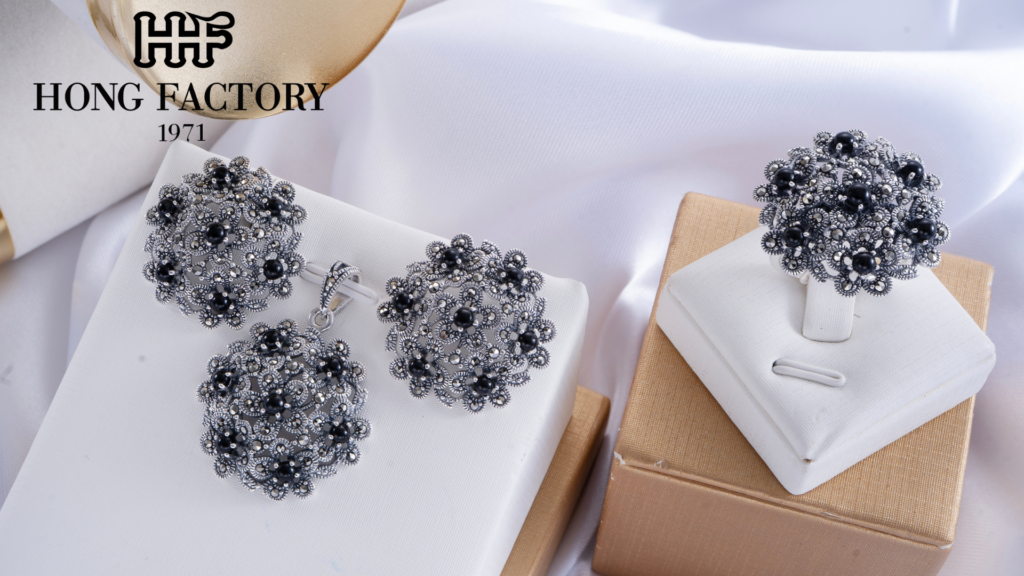
What To Look For In A Jewelry Manufacturer?
Why Marcasite Jewelry Suits Mature Elegant Fashion Mature elegant [...]
Mar
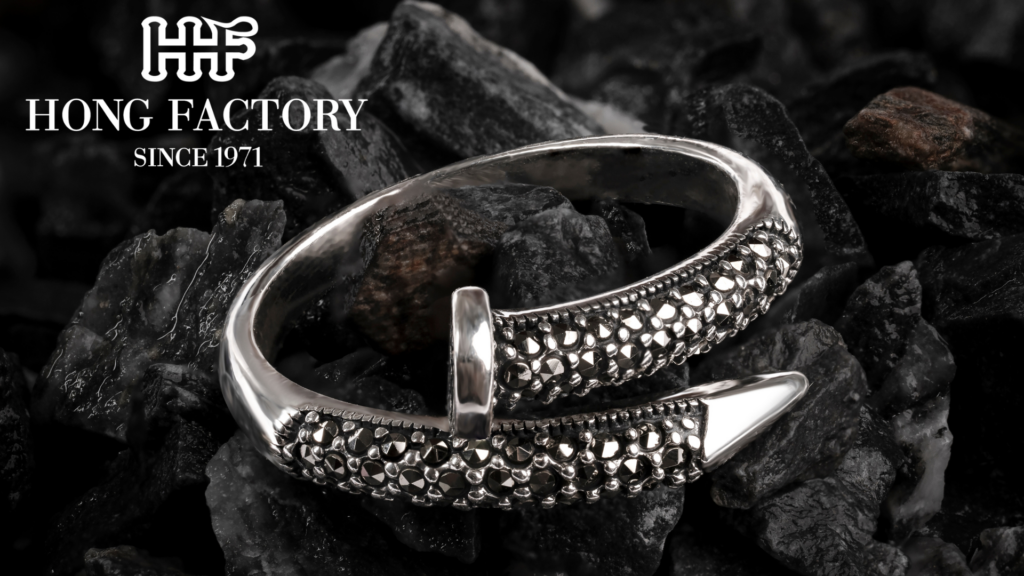
HOW TO STACK RINGS LIKE A PRO: STYLISH WAYS TO ELEVATE YOUR LOOK
Ring stacking has become one of the most popular [...]
Mar
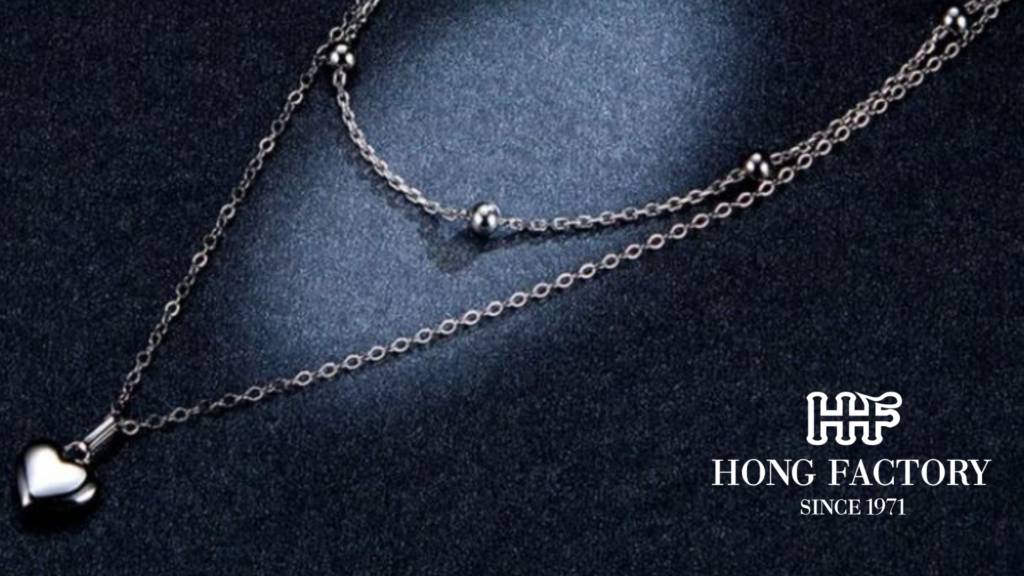
HOW TO LAYER NECKLACES LIKE A PRO: 10 EXPERT STYLING TIPS
Layering necklaces has become one of the most popular [...]
Mar
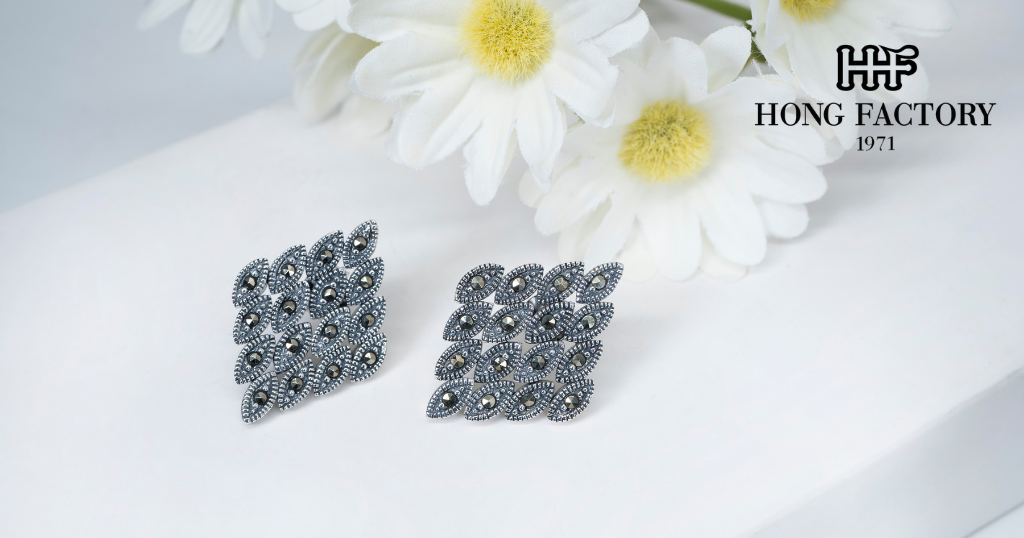
TYPES OF EARRINGS: DISCOVER THE PERFECT STYLE FOR EVERY OCCASION
Earrings are one of the most versatile and timeless [...]
Mar
PRICE DIFFERENCE BETWEEN SILVER AND STERLING SILVER
When shopping for jewelry or investing in precious metals, [...]
Mar
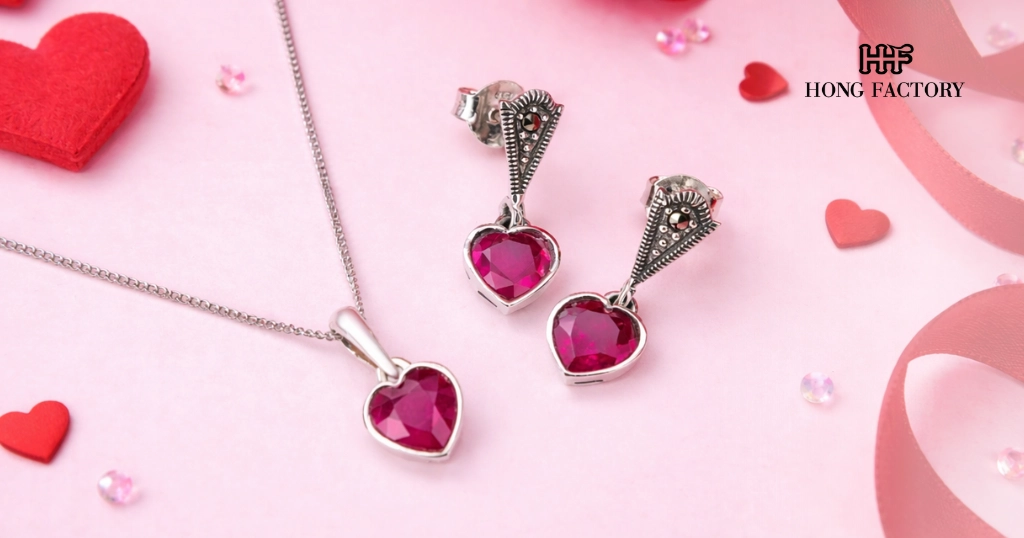
Premium 925 Sterling Silver Jewelry for Valentine’s Day
Valentine’s Day is more than just a romantic celebration. [...]
Feb