
When shopping for jewelry or investing in precious metals, many people encounter the terms silver and sterling silver. Although these terms are often used interchangeably, they are not exactly the same. Understanding the difference between them is important, especially when it comes to price, durability, and value.
For jewelry buyers, retailers, and wholesale businesses, knowing how pricing works between these two materials can help make smarter purchasing decisions. In this article, we will explore what silver and sterling silver are, why their prices differ, and which option is better for jewelry manufacturing and everyday wear.

Understanding silver and sterling silver
To understand the price difference, it is essential to first understand what each material actually is.
Pure silver, also known as fine silver, contains 99.9% silver. It is usually marked as 999 silver or fine silver. While this high purity makes it valuable, pure silver is also extremely soft. Because of its softness, it can easily scratch, bend, or lose its shape.
On the other hand, sterling silver is an alloy made from 92.5% silver and 7.5% other metals, usually copper. This mixture strengthens the material while still maintaining the beauty and value of silver. Sterling silver jewelry is typically marked with a 925 stamp, indicating its composition.
Because sterling silver contains slightly less pure silver than fine silver, some people assume it should always be cheaper. However, the real pricing difference is influenced by several factors beyond just silver content.
Why pure silver is rarely used in jewelry
Although pure silver has the highest silver content, it is not commonly used for jewelry production. The reason is durability.
Fine silver is extremely soft and can easily deform with daily use. Rings, bracelets, or earrings made entirely of pure silver would quickly lose their shape or become scratched. For this reason, jewelers prefer sterling silver because the added metals increase hardness and resistance.
Sterling silver can hold gemstones, maintain intricate designs, and withstand everyday wear much better than fine silver. This is why most high-quality silver jewelry in the global market is made from sterling silver rather than pure silver.
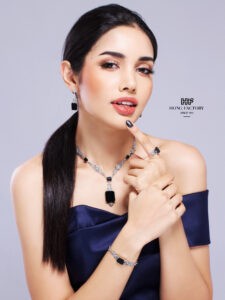
Factors that influence the price difference
Several factors determine the price difference between silver and sterling silver. These factors include silver purity, manufacturing cost, durability, and market demand.
Silver content
The most obvious difference is silver purity. Pure silver contains 99.9% silver, while sterling silver contains 92.5%. From a raw material perspective, pure silver technically contains more silver by weight. However, the price difference per piece is usually small when used in jewelry.
Manufacturing practicality
Sterling silver is easier to work with during jewelry production. Because it is stronger, it can be shaped, polished, engraved, and set with gemstones more effectively. This makes it the preferred choice for manufacturers.
Pure silver, by contrast, is difficult to craft into detailed designs without deformation. As a result, manufacturing with pure silver can sometimes increase production challenges and costs.
Durability and longevity
Sterling silver offers significantly better durability than fine silver. Jewelry that lasts longer provides more value to consumers. Because of this durability, sterling silver jewelry is more practical for everyday use.
Consumers are often willing to pay slightly more for jewelry that will maintain its shape and appearance over time.
Market demand
Sterling silver dominates the global jewelry market. Most jewelry brands, designers, and wholesalers use sterling silver as their standard material. Because of this high demand, the supply chain for sterling silver jewelry is highly developed and efficient.
Pure silver jewelry, on the other hand, occupies a smaller niche market.

Price comparison in jewelry
In reality, when comparing finished jewelry pieces, sterling silver items are often priced similarly to or sometimes higher than pure silver items. This is because jewelry pricing is not determined solely by metal purity.
Other important pricing components include:
- Design complexity
- Craftsmanship
- Brand value
- Gemstone addition
- Finishing techniques
For example, a sterling silver ring with intricate detailing and gemstones can be significantly more expensive than a simple fine silver band.
Why sterling silver is the industry standard
Today, sterling silver is considered the global standard for silver jewelry. Major jewelry markets in Europe, the United States, and Asia all widely adopt 925 sterling silver as the preferred material.
There are several reasons for this standard:
- Strong enough for everyday wear
- Suitable for detailed craftsmanship
- Compatible with gemstones
- Holds polish and shine well
- Balanced value between purity and durability
Because of these advantages, sterling silver offers an ideal balance between beauty, performance, and price.
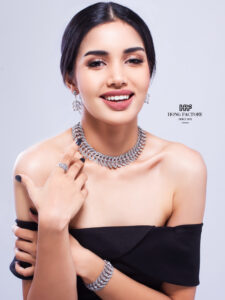
Sterling silver in wholesale jewelry manufacturing
For wholesale jewelry manufacturers, sterling silver is especially important. Businesses that produce large volumes of jewelry require a material that is consistent, durable, and easy to work with.
Sterling silver allows manufacturers to create thousands of designs, from rings and earrings to pendants and bracelets, while maintaining structural strength.
Companies like Hong Factory, a long-established jewelry manufacturer from Thailand, specialize in sterling silver jewelry combined with marcasite and gemstones. With decades of experience, manufacturers can create intricate vintage-inspired designs that would not be possible with pure silver alone.
Maintenance and care
Another factor that influences buyer preference is maintenance. Sterling silver jewelry can develop tarnish over time due to its copper content. However, this tarnish is easily removed with proper cleaning.
Fine silver tarnishes less but is more susceptible to scratches and bending. In practical terms, sterling silver offers a better balance between maintenance and durability.
Regular polishing and proper storage can keep sterling silver jewelry looking bright and beautiful for many years.

Which one should you choose?
Choosing between pure silver and sterling silver depends on the purpose of the item.
If the goal is collecting precious metal with extremely high purity, fine silver may be preferable. However, if the goal is wearing jewelry that lasts, maintains its shape, and showcases detailed craftsmanship, sterling silver is the better option.
For this reason, most jewelry designers and manufacturers recommend sterling silver for rings, earrings, bracelets, and necklaces.
Understanding the price difference between silver and sterling silver helps buyers make informed decisions. While pure silver contains slightly more silver by weight, sterling silver offers significant advantages in durability, craftsmanship, and practicality.
Because of these qualities, sterling silver has become the preferred material for the global jewelry industry.
Whether you are a retailer, designer, or jewelry enthusiast, choosing high-quality sterling silver jewelry ensures long-lasting beauty and excellent value.
If you are looking for wholesale sterling silver and marcasite jewelry, exploring trusted manufacturers with decades of experience can help you find unique designs and reliable quality for your business.



Jewelry Blog
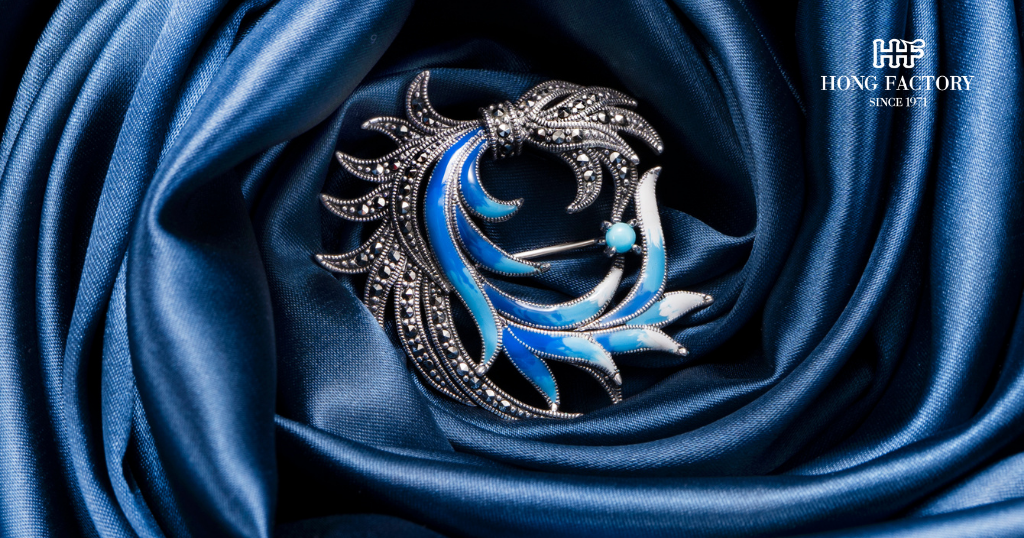
PRICE DIFFERENCE BETWEEN SILVER AND STERLING SILVER
When shopping for jewelry or investing in precious metals, [...]
Mar
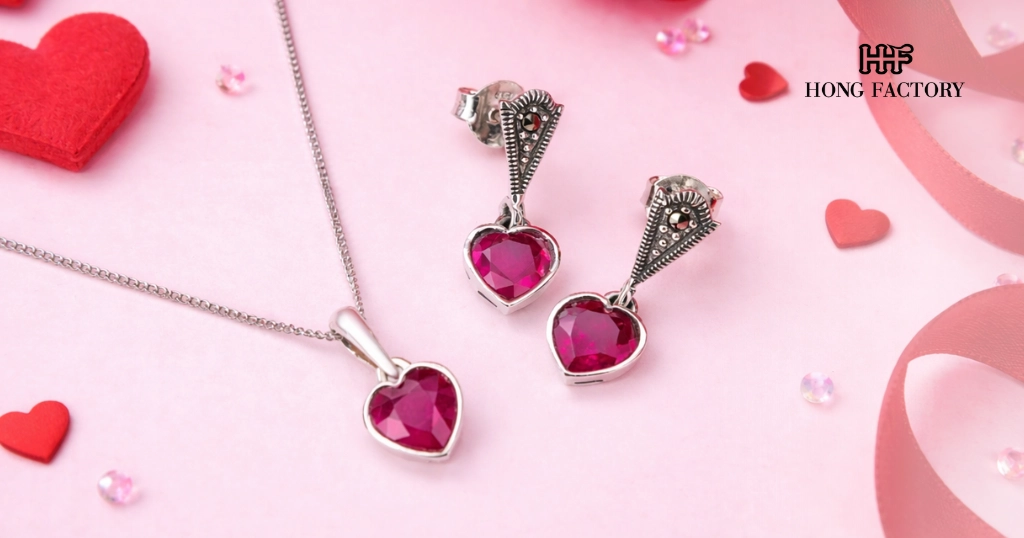
Premium 925 Sterling Silver Jewelry for Valentine’s Day
Valentine’s Day is more than just a romantic celebration. [...]
Feb
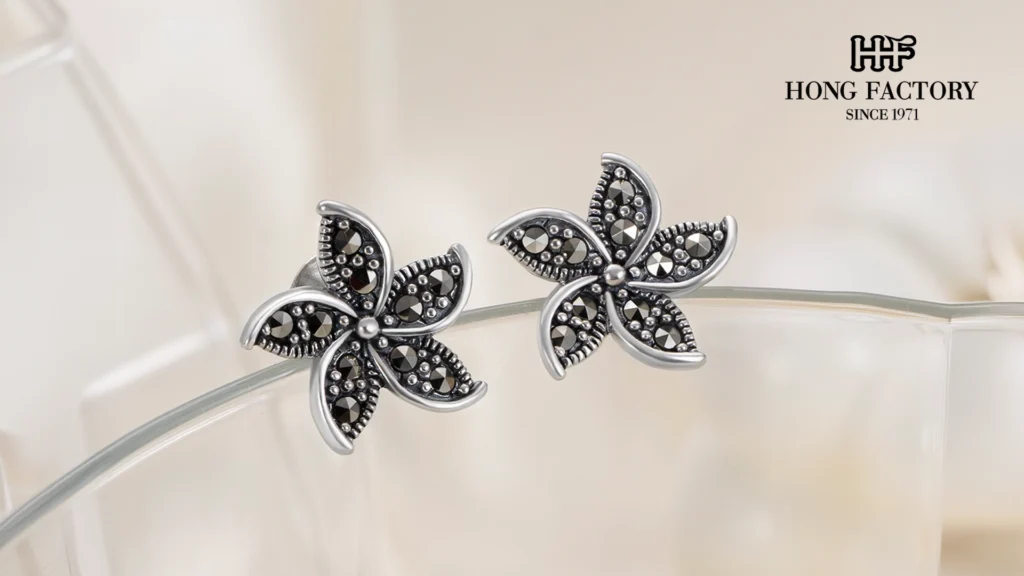
Top 5 Best-Selling Earrings by Hong Factory in 2025
In 2025, the global silver jewelry market continued to [...]
Feb
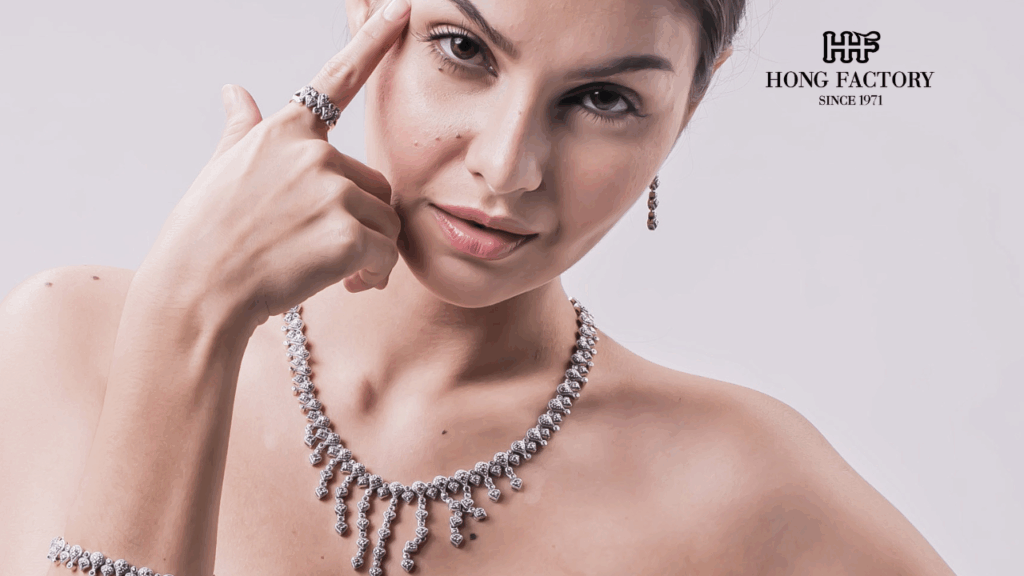
Why Marcasite Jewelry Is Making a Huge Comeback in 2025
1. The Revival of Vintage-Inspired Fashion Trends Marcasite jewelry [...]
Nov
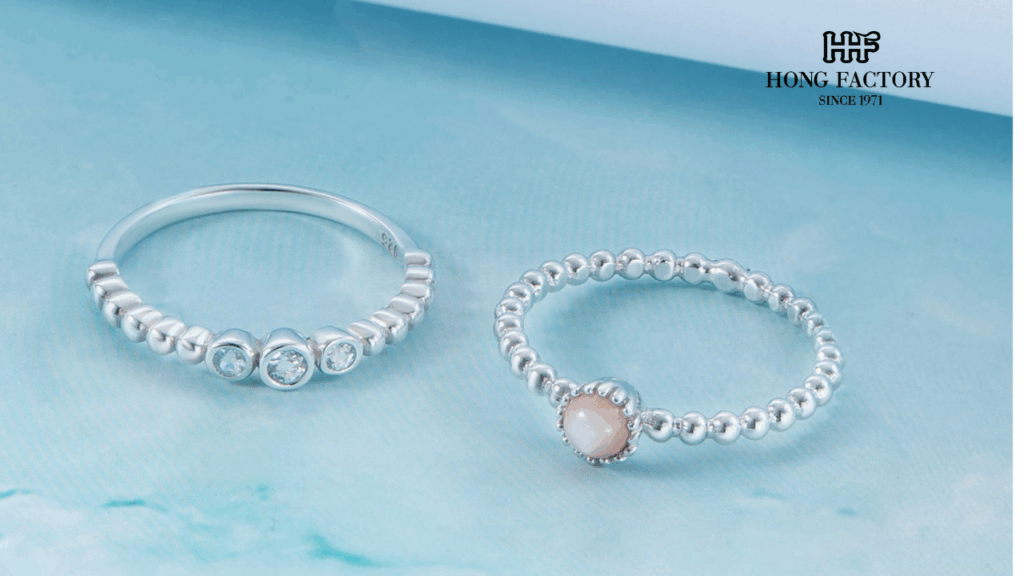
A Complete Guide to Starting a Jewelry Business with OEM Manufacturers
1. Introduction: Why OEM Manufacturing Is the Future of [...]
Nov
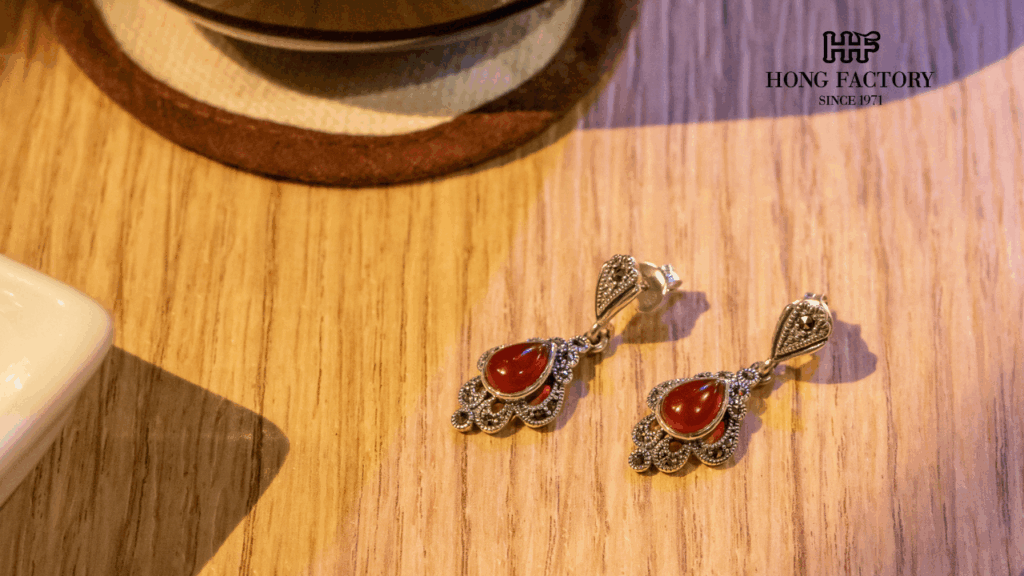
Behind the Craft: How Our Thai Artisans Create Timeless Jewelry Pieces
1. The Heart of Thai Craftsmanship Timeless Jewelry Pieces [...]
Nov
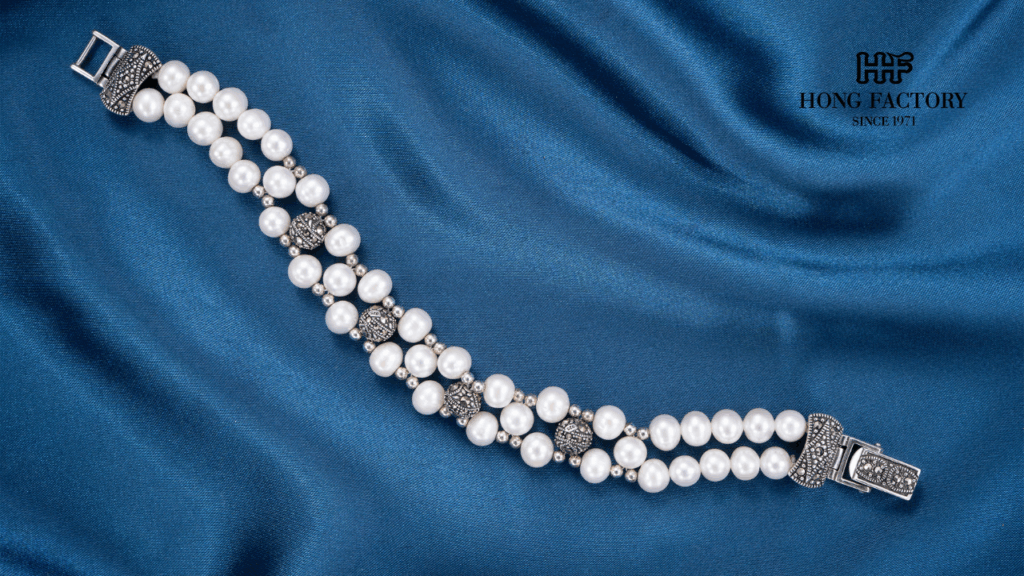
Top 10 Silver Jewelry Trends for 2025 You Need to Know
As the jewelry world evolves, silver remains one of [...]
Nov
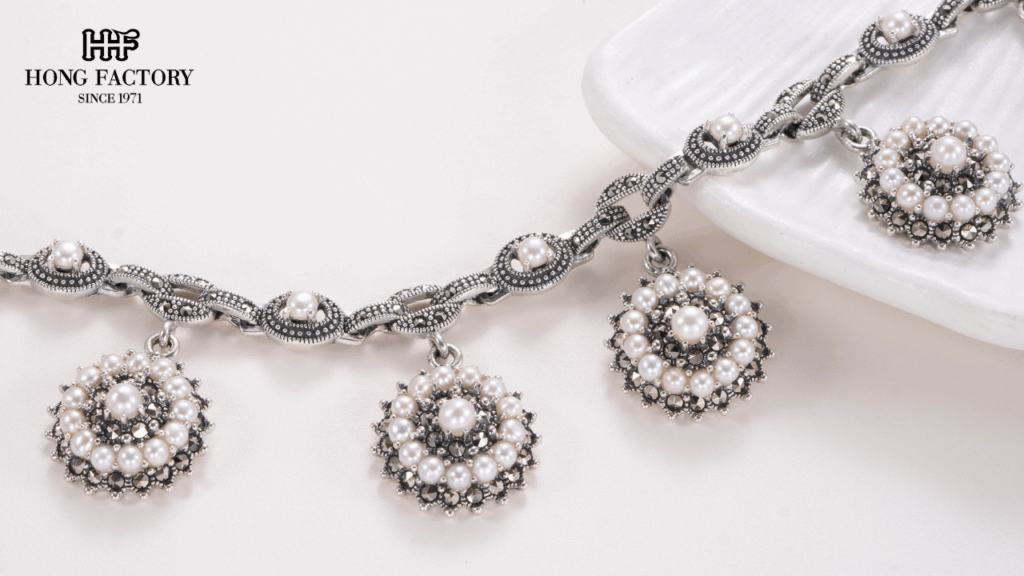
The Timeless Charm of Marcasite Jewelry Wholesale Collections
Marcasite jewelry has always held a special place [...]
Nov