
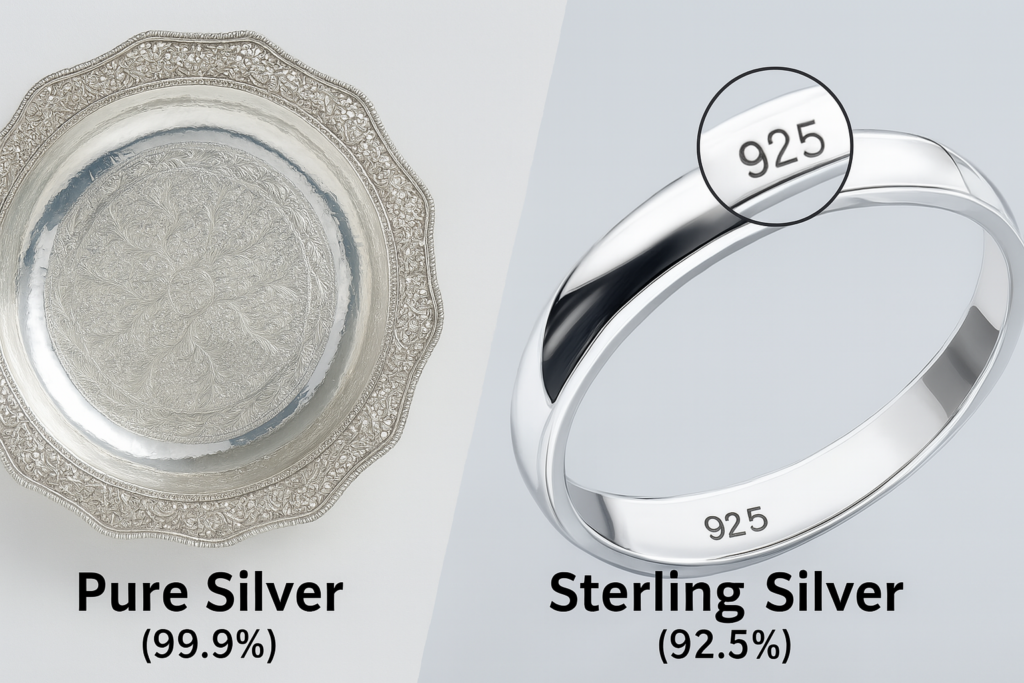
When selecting jewelry, particularly silver jewelry, it’s essential to understand the differences between Sterling Silver and Pure Silver. Both have their unique characteristics and uses, influencing their value and price significantly. This guide will clarify these differences and help you make informed decisions when choosing silver jewelry.
Understanding Sterling Silver
Sterling Silver is an alloy composed of 92.5% pure silver and 7.5% other metals, typically copper. This precise combination creates a stronger and more durable material, making it ideal for crafting jewelry and decorative items that require longevity and resilience.
What is Pure Silver?
Pure silver, also known as fine silver, contains 99.9% silver and only minimal traces of other elements. While pure silver boasts unmatched purity and brilliance, its softness makes it less suitable for everyday jewelry or practical usage.

Why Choose Sterling Silver?
Sterling Silver is highly favored for jewelry due to its durability and practicality. It withstands everyday wear, maintains its shape, and is less prone to scratches and dents compared to pure silver. Additionally, Sterling Silver retains a luxurious and bright appearance, making it an excellent choice for stylish and sophisticated jewelry pieces.
Price Differences Explained
Despite pure silver’s higher purity, Sterling Silver often commands higher market value in jewelry because of its enhanced strength, durability, and ease of craftsmanship. The added copper significantly improves the metal’s workability, allowing intricate designs and detailed craftsmanship that attract buyers seeking unique and elegant jewelry.
Sterling Silver: Versatility and Craftsmanship
Jewelry made from Sterling Silver is versatile, lending itself well to a range of designs, from minimalist and modern to intricate and vintage-inspired. The strength of Sterling Silver allows jewelers to create finely detailed pieces that pure silver simply cannot sustain. This versatility makes Sterling Silver jewelry highly popular among designers and consumers alike.
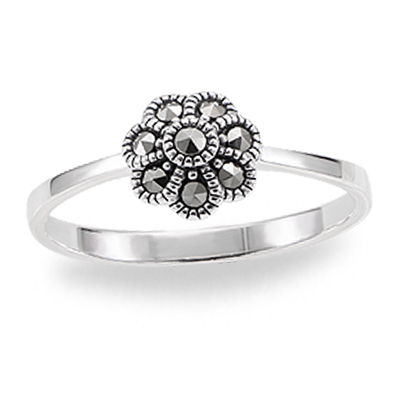
How to Identify Sterling Silver
Identifying authentic Sterling Silver jewelry is straightforward, thanks to the hallmark “925.” This stamp indicates the piece contains 92.5% silver. Always check for this mark when buying jewelry to ensure authenticity and quality.
Caring for Your Sterling Silver
Sterling Silver jewelry, while durable, requires proper care to maintain its luster. Here are essential care tips:
- Store Appropriately: Keep jewelry in a cool, dry place or airtight container to prevent tarnishing.
- Regular Cleaning: Use a soft cloth for gentle cleaning, and periodically polish with silver-specific cleaning solutions or cloths.
- Avoid Chemicals: Minimize exposure to harsh chemicals, perfumes, cosmetics, and chlorinated water, as they can damage the surface.
Sustainability and Hypoallergenic Benefits
Sterling Silver offers hypoallergenic properties, making it ideal for sensitive skin. Additionally, its alloy composition often has a lower environmental impact compared to other metals, making it a more sustainable choice for environmentally conscious consumers.
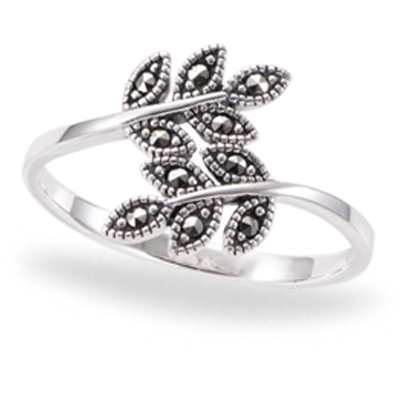
Practical Uses of Sterling Silver
Sterling Silver’s durability and aesthetic appeal make it perfect for everyday jewelry such as rings, necklaces, bracelets, and earrings. It is suitable for both casual and formal occasions, offering endless styling possibilities.
Pure Silver Uses
Due to its softness, pure silver is primarily used for investment purposes, collectible coins, and decorative items. Pure silver jewelry tends to be limited to special, delicate pieces worn occasionally, rather than daily.
Investment Perspective: Sterling Silver vs. Pure Silver
From an investment standpoint, pure silver typically holds intrinsic metal value and is preferred for bullion and coin collecting. Sterling Silver, while less valuable in raw form, gains value from craftsmanship and design, often making it a better choice for those interested in jewelry with both sentimental and market value.
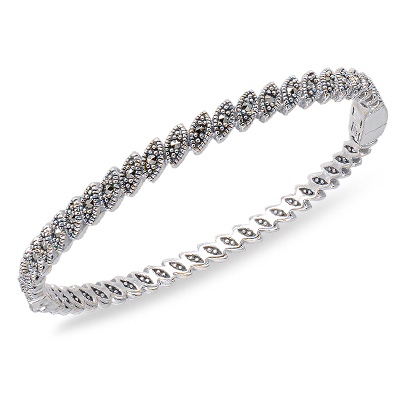
Understanding the differences between Sterling Silver and Pure Silver is crucial for choosing jewelry that matches your lifestyle and preferences. Sterling Silver offers practical advantages, combining durability, beauty, and craftsmanship, justifying its popularity and slightly higher pricing in jewelry markets. Whether for personal adornment or meaningful gifts, Sterling Silver remains a timeless and valuable choice.



Jewelry Blog
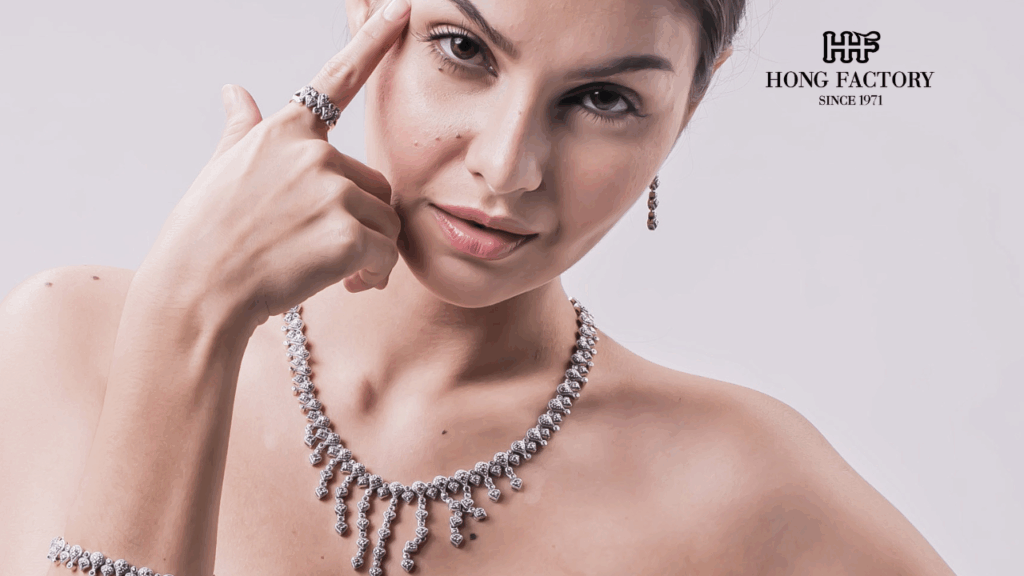
Why Marcasite Jewelry Is Making a Huge Comeback in 2025
1. The Revival of Vintage-Inspired Fashion Trends Marcasite jewelry [...]
Nov
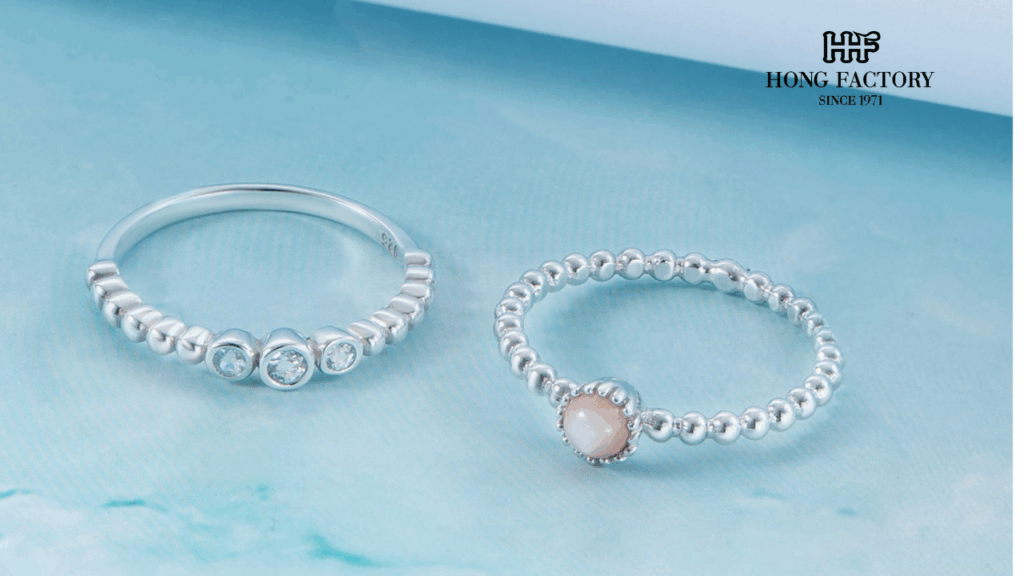
A Complete Guide to Starting a Jewelry Business with OEM Manufacturers
1. Introduction: Why OEM Manufacturing Is the Future of [...]
Nov
The Beauty of Handmade Marcasite Jewelry from Thailand
Thailand has long been recognized as a global hub [...]
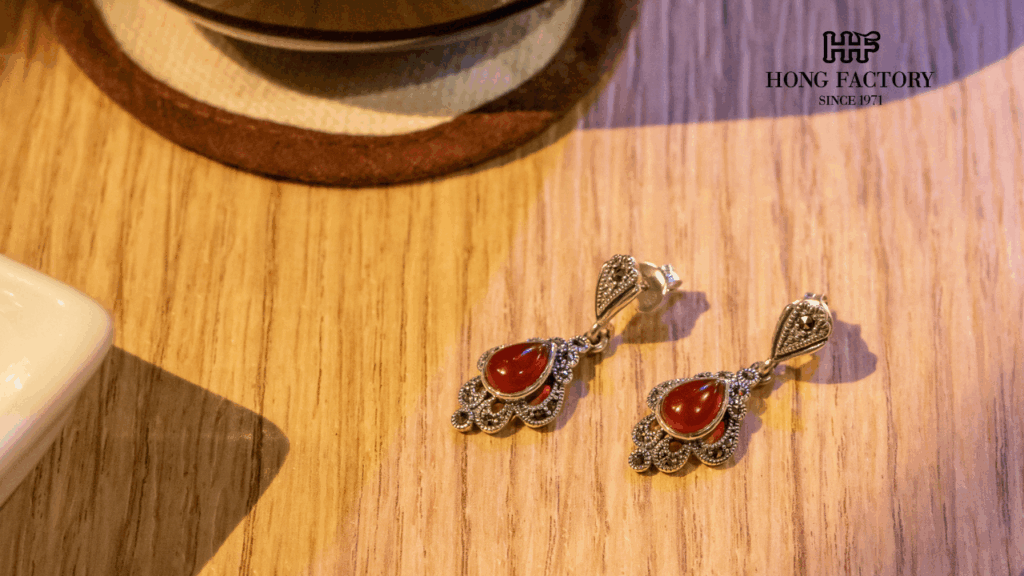
Behind the Craft: How Our Thai Artisans Create Timeless Jewelry Pieces
1. The Heart of Thai Craftsmanship Timeless Jewelry Pieces [...]
Nov
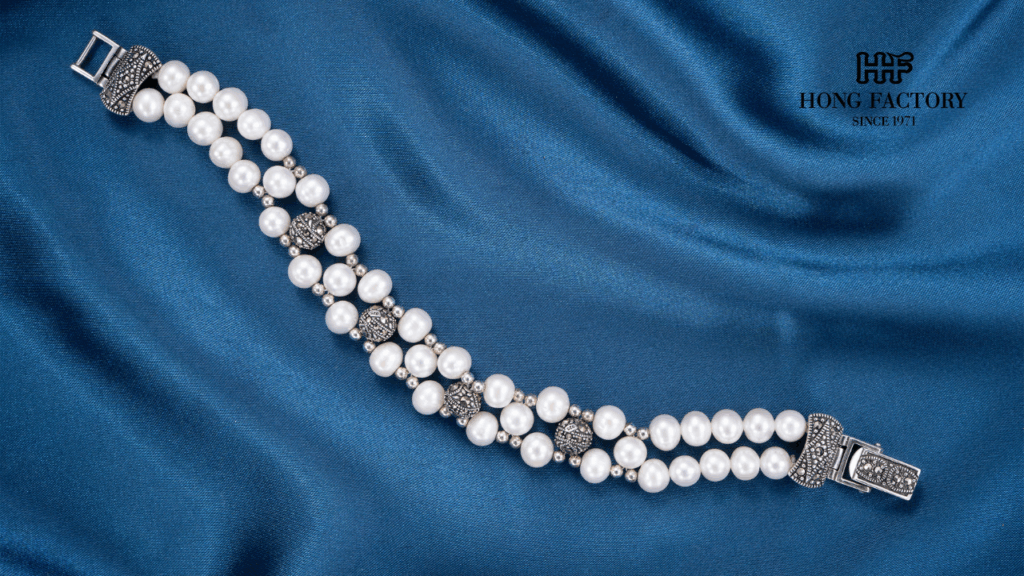
Top 10 Silver Jewelry Trends for 2025 You Need to Know
As the jewelry world evolves, silver remains one of [...]
Nov
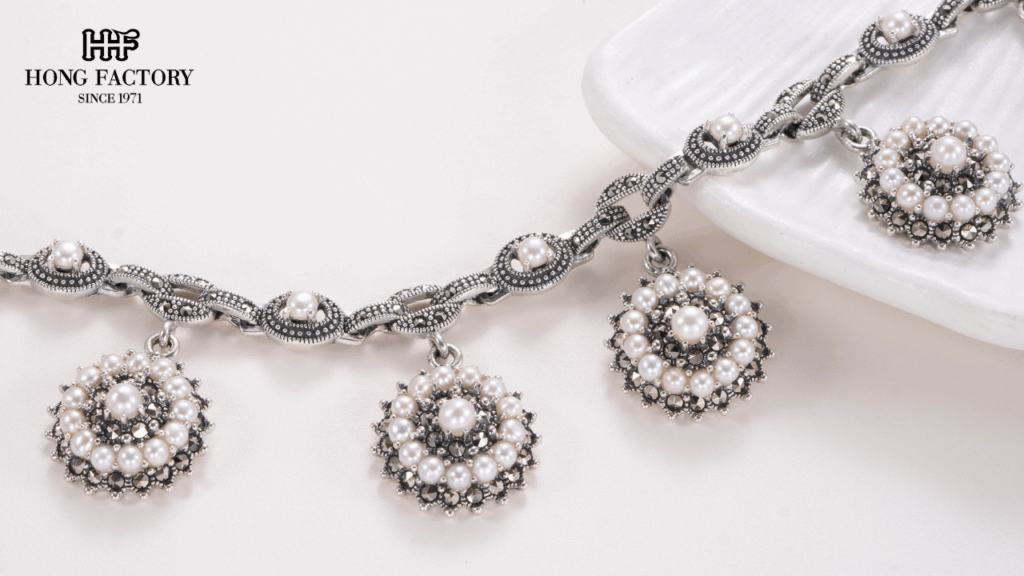
The Timeless Charm of Marcasite Jewelry Wholesale Collections
Marcasite jewelry has always held a special place [...]
Nov
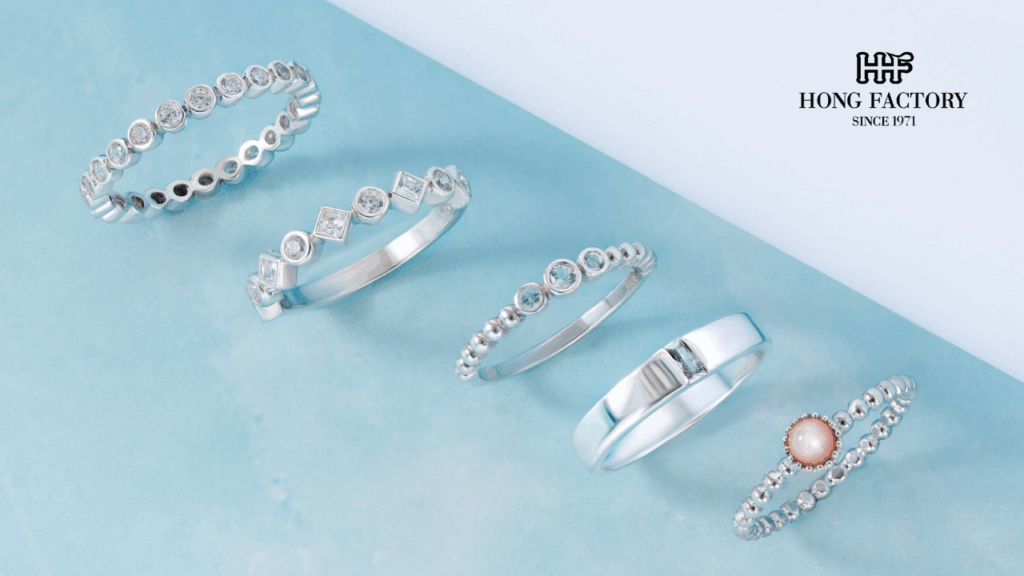
5 Signs You’re Buying from a Trusted Wholesale Jewelry Manufacturer
Choosing a reliable wholesale jewelry manufacturer is one of [...]
Nov
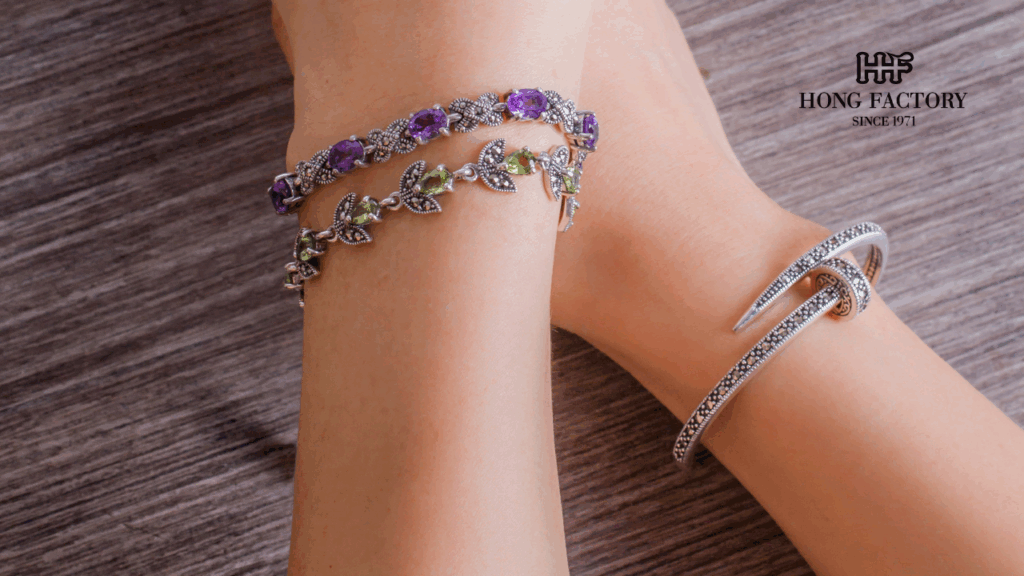
THE DIFFERENCE BETWEEN STERLING SILVER AND MARCASITE JEWELRY
In the world of fine jewelry, sterling silver [...]
Nov