Ruby has long been revered as the “King of Gemstones,” a title earned through centuries of admiration for its intense beauty, rarity, and symbolic power. For wholesale buyers, ruby represents not only a timeless luxury item but also a highly profitable investment in the global jewelry market.
In this Wholesale Buyer’s Guide, we will explore why ruby holds such a prestigious position, how to evaluate its quality, and what wholesale buyers need to know to make informed purchasing decisions.
The Legacy of Ruby: A Gemstone Fit for Royalty
Ruby belongs to the corundum family and is distinguished by its rich red color, which ranges from deep crimson to vibrant pinkish-red. Historically, rubies have been associated with royalty, power, and protection.
Ancient kings and warriors believed that rubies could bring victory in battle and protect them from harm. In many cultures, ruby symbolized wealth, passion, and divine favor. This enduring legacy continues to influence consumer demand today, making ruby a highly desirable gemstone in both retail and wholesale markets.
Why Ruby Is Called the King of Gemstones
Ruby earns its royal title due to several key factors:
- Exceptional rarity compared to other gemstones
- Intense and captivating red color
- Strong historical and cultural significance
- High durability with a Mohs hardness of 9
- Consistent demand across global markets
For wholesale buyers, these qualities translate into strong resale value and long-term market stability.
Understanding Ruby Quality: A Wholesale Buyer’s Guide
When sourcing rubies, understanding quality is essential. The value of ruby is determined by several factors commonly known as the “Four Cs”: color, clarity, cut, and carat weight.
Color: The Most Important Factor
Color is the most critical element in determining ruby value. The finest rubies display a vivid, saturated red often referred to as “pigeon blood red.”
Wholesale buyers should look for:
- Rich, vibrant red tones
- Even color distribution
- Minimal brown or purple undertones
High-quality color significantly increases the gemstone’s market value.
Clarity: Natural Inclusions and Transparency
Most rubies contain natural inclusions, which are accepted as part of their authenticity. However, excessive inclusions can reduce transparency and brilliance.
Buyers should aim for:
- Eye-clean or minimally included stones
- Good light reflection
- Balanced clarity without compromising durability
Cut: Enhancing Beauty and Brilliance
The cut of a ruby affects how light interacts with the gemstone. Well-cut rubies maximize brilliance and color intensity.
Popular cuts include:
- Oval
- Cushion
- Round
- Emerald
Wholesale buyers should prioritize stones with symmetrical cuts and excellent polish.
Carat Weight: Size and Value
Larger rubies are significantly rarer than smaller ones, making them more valuable per carat. However, quality should always take precedence over size.
Sourcing Ruby: Key Considerations for Wholesale Buyers
In this Wholesale Buyer’s Guide, sourcing is one of the most critical aspects of building a successful jewelry business.
Origin Matters
Rubies are mined in several regions, each known for distinct characteristics:
- Myanmar (Burma): Known for the finest “pigeon blood” rubies
- Mozambique: Offers high-quality stones with excellent color
- Thailand: Known for darker-toned rubies
- Sri Lanka: Produces lighter, pinkish rubies
Understanding origin helps buyers assess value and market positioning.
Natural vs. Treated Rubies
Most rubies on the market undergo heat treatment to enhance color and clarity. While treated rubies are widely accepted, untreated stones command significantly higher prices.
Wholesale buyers should:
- Request full disclosure from suppliers
- Verify certification from reputable gemological labs
- Understand pricing differences between treated and untreated stones
Certification and Authenticity
Always source rubies with certification from recognized institutions such as:
- GIA (Gemological Institute of America)
- IGI (International Gemological Institute)
- AGL (American Gemological Laboratories)
Certification ensures authenticity and builds trust with customers.
Market Trends: Why Ruby Remains a Strong Investment
Ruby continues to perform well in the global gemstone market due to its timeless appeal and limited supply.
Growing Demand in Luxury Markets
High-end consumers consistently seek ruby jewelry for its prestige and symbolism. This demand drives strong pricing in both retail and wholesale sectors.
Rising Popularity in Fashion Jewelry
Ruby is increasingly featured in modern jewelry designs, including minimalist and vintage-inspired collections. This versatility expands its appeal to younger audiences.
Investment Potential
Due to its rarity and historical significance, ruby is often considered a stable investment gemstone. Prices for high-quality rubies have steadily increased over time.
Popular Ruby Jewelry for Wholesale Buyers
Understanding product trends is essential in this Wholesale Buyer’s Guide.
Ruby Rings
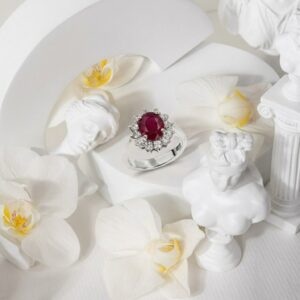
Ruby rings are among the best-selling items in both engagement and fashion categories. Their bold color makes them a standout choice.
Ruby Earrings
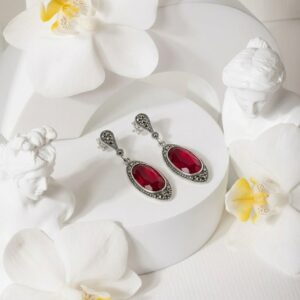
Studs and drop earrings featuring ruby are popular for everyday wear and special occasions.
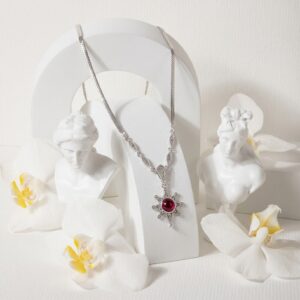
Ruby Necklaces and Pendants
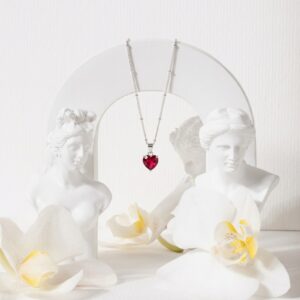
Ruby pendants offer timeless elegance and are often chosen as meaningful gifts.
Ruby Bracelets
Bracelets featuring ruby accents provide subtle luxury and versatility.
Pricing Strategies for Wholesale Buyers
To maximize profitability, wholesale buyers must develop effective pricing strategies.
Factors Affecting Pricing
- Gemstone quality (color, clarity, cut, carat)
- Origin and rarity
- Treatment status
- Market demand
Building Competitive Margins
Buyers should:
- Source directly from trusted suppliers
- Purchase in bulk to reduce costs
- Diversify inventory across price ranges
- Monitor market trends regularly
Tips for Successful Ruby Wholesale Purchasing
This Wholesale Buyer’s Guide would not be complete without practical tips for success.
Build Strong Supplier Relationships
Reliable suppliers ensure consistent quality and fair pricing.
Stay Informed About Market Trends
Understanding consumer preferences helps buyers stock the right products.
Focus on Quality Over Quantity
High-quality rubies offer better long-term returns than lower-grade stones.
Offer Certification and Transparency
Providing detailed information builds customer trust and enhances brand reputation.
Ruby truly deserves its title as the King of Gemstones. Its unmatched beauty, rarity, and cultural significance make it a cornerstone of the global jewelry industry.
For wholesale buyers, ruby presents a valuable opportunity to invest in a gemstone with enduring demand and strong market performance. By following this Wholesale Buyer’s Guide, buyers can confidently source, evaluate, and sell ruby jewelry while maximizing profitability and customer satisfaction.
Whether you are new to the gemstone trade or an experienced buyer, understanding the unique qualities of ruby will help you succeed in a competitive and rewarding market.



Jewelry Blog
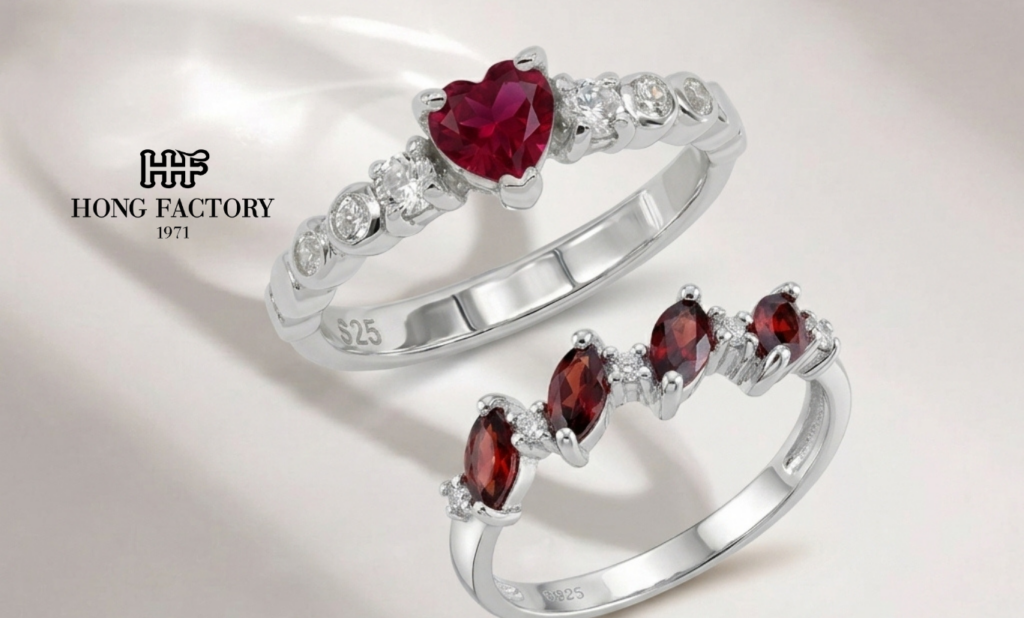
Ruby vs Garnet: Telling Red Gemstones Apart in Silver Jewelry
Red gemstones have long symbolized passion, power, and elegance. [...]
Jul
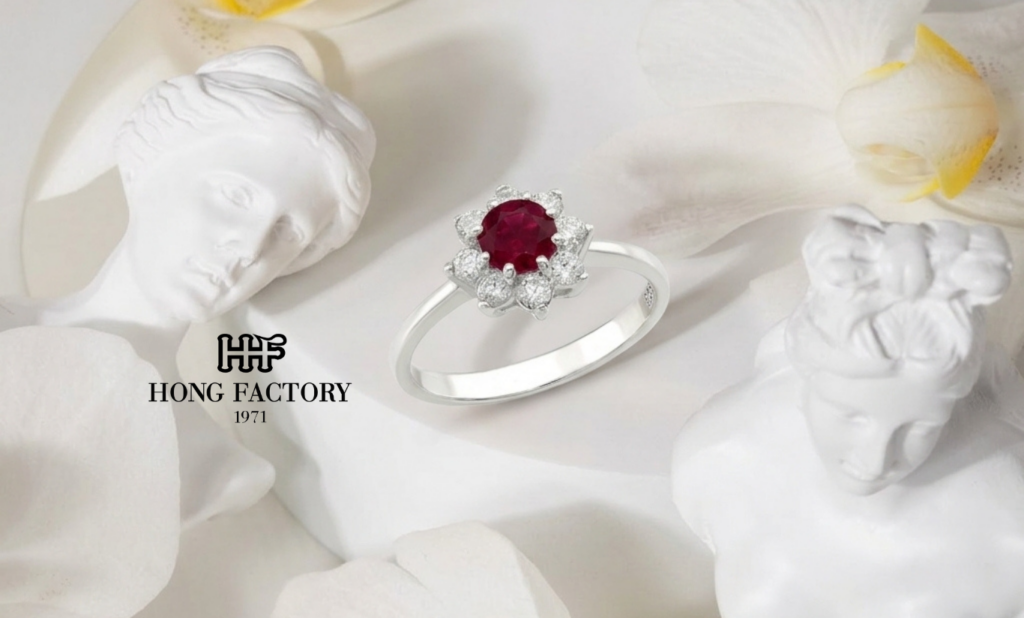
Why Ruby Is the King of Gemstones: A Wholesale Buyer’s Guide
Ruby has long been revered as the “King of [...]
Jul
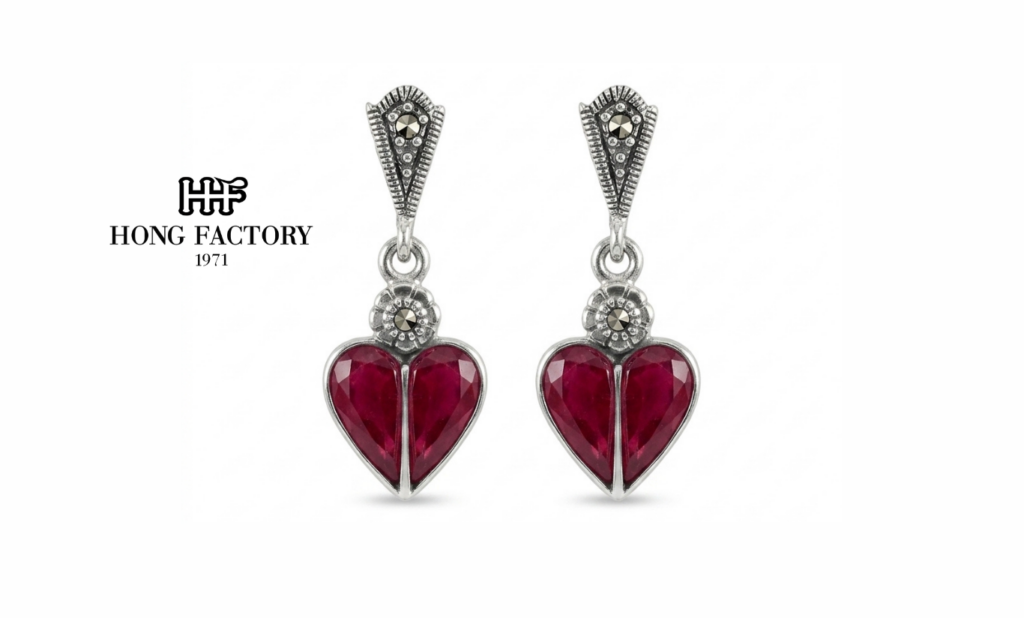
July Birthstone Guide: Ruby in Sterling Silver & Marcasite Jewelry
When July arrives with its blazing heat and long [...]
Jul
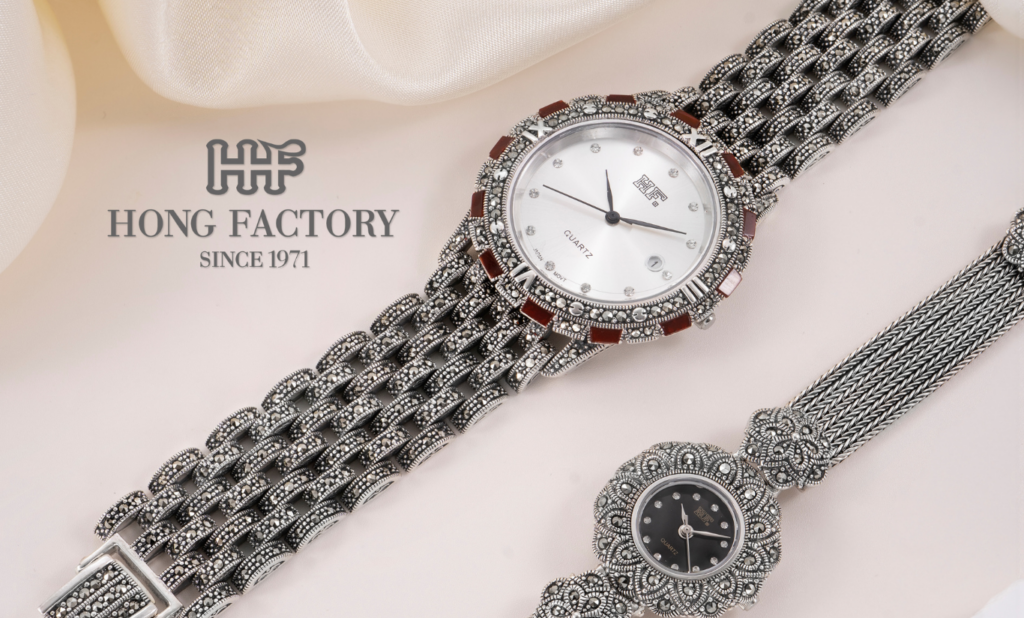
Marcasite Watch Collection: Classic Elegance for Summer Wardrobes
As Summer 2026 arrives, fashion enthusiasts are embracing accessories [...]
Jul
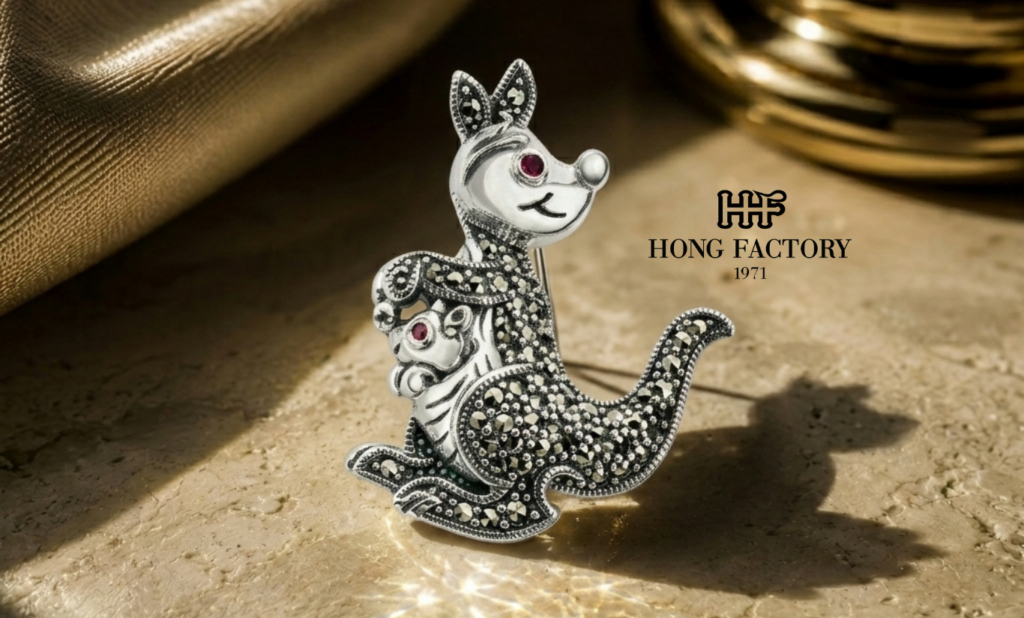
Marcasite Brooch Collection: A Timeless Piece for June Gifting Season
As June arrives, bringing wedding celebrations, graduations, anniversaries, and [...]
Jun
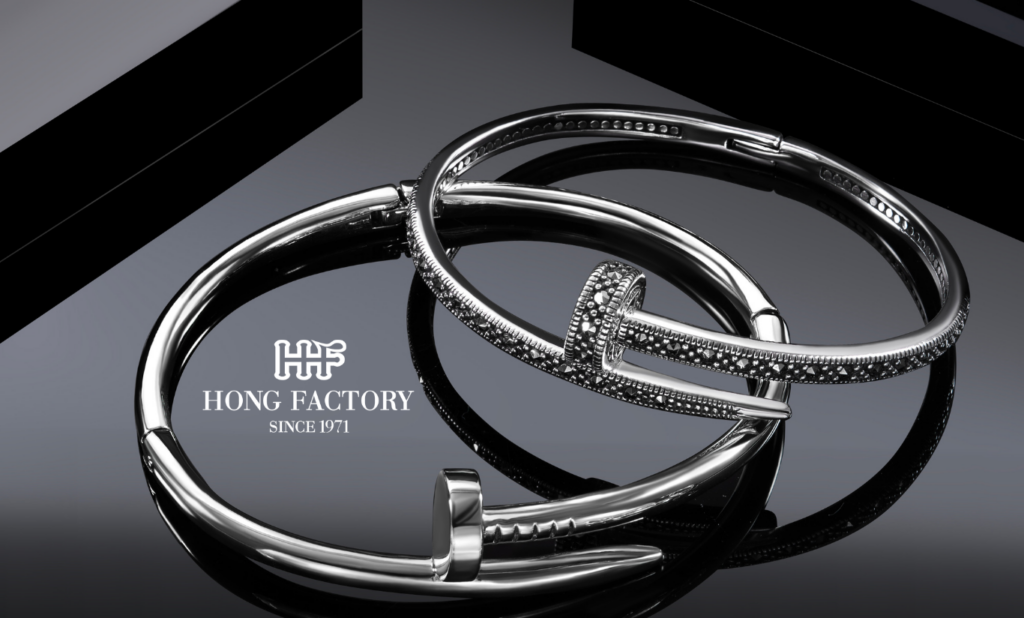
Silver Bangles for Summer: Hong Factory’s June 2026 Bestsellers
As summer arrives across major global markets, jewelry buyers [...]
Jun
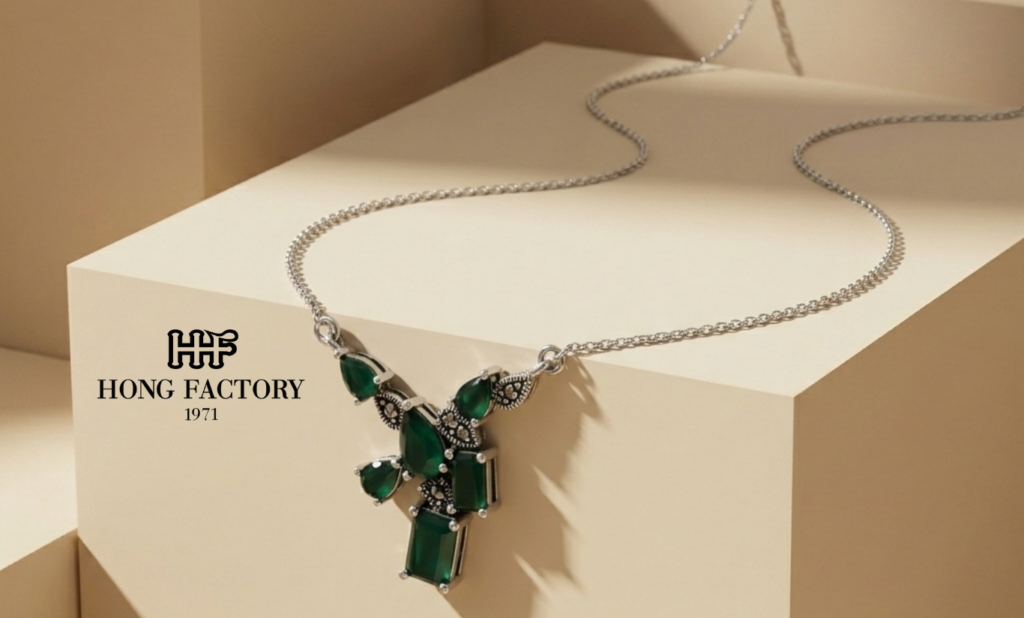
Silver Necklace Styles That Are Selling Fast in June 2026
The global jewelry market continues to evolve as consumers [...]
Jun
Top 5 Silver Jewelry Categories Trending for Wholesale Buyers in June 2026
The global jewelry market continues to evolve as consumer [...]
Jun