
Gemstones are commonly cut as either cabochons or faceted stones. Cabochons have smooth, rounded surfaces that highlight color, patterns, and a soft glow. Faceted gemstones have multiple flat surfaces that reflect light and create sparkle.
Understanding the difference can help you choose the right style for a sterling silver ring, pendant, or marcasite design.
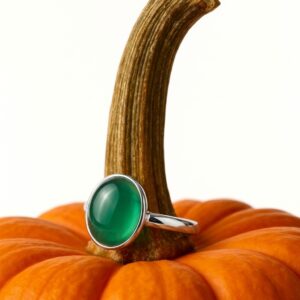
What Is a Cabochon Gemstone?
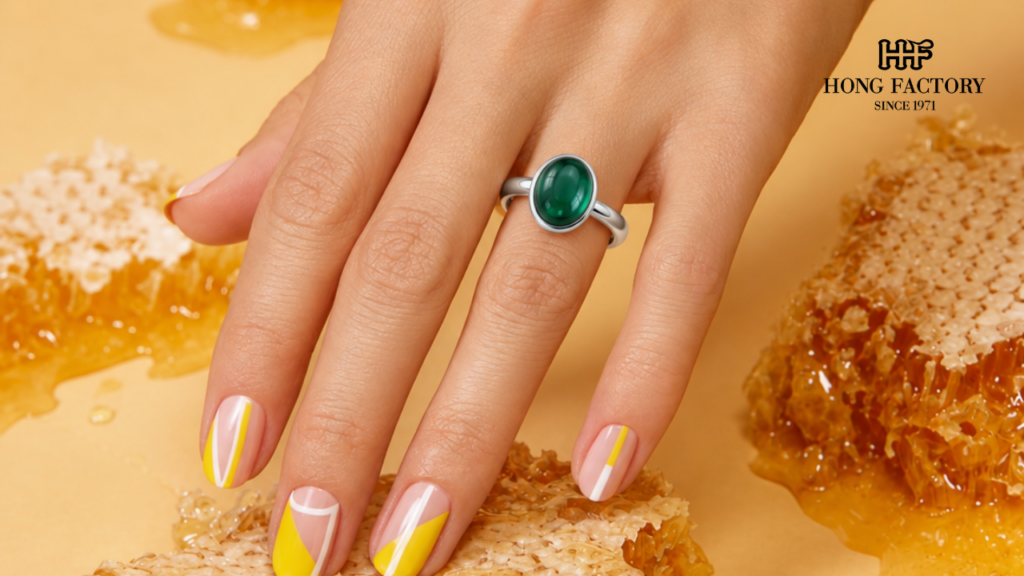
A cabochon is polished into a smooth, domed shape without flat facets. It is valued for its color, pattern, translucence, and natural character rather than intense brilliance.
Common cabochon gemstones include:
- Moonstone
- Opal
- Turquoise
- Labradorite
- Onyx
- Jade
- Agate
- Star sapphire
Cabochons are especially attractive when a gemstone has unusual patterns, color shifts, iridescence, or cat’s-eye and star effects.
What Is a Faceted Gemstone?
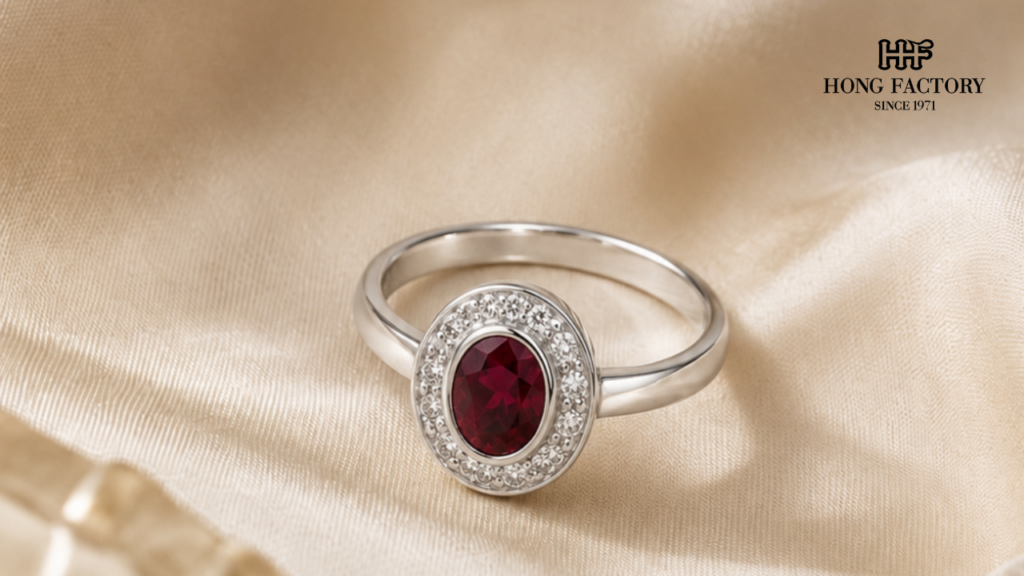
A faceted gemstone has many flat, angled surfaces designed to reflect and refract light. This creates brilliance, sparkle, and visual depth.
Popular faceted gemstones include:
- Diamond
- Sapphire
- Ruby
- Amethyst
- Topaz
- Citrine
- Tourmaline
- Garnet
- Aquamarine
The quality of the cut, including symmetry and proportions, strongly affects how brightly the stone sparkles.
Main Differences
In simple terms:
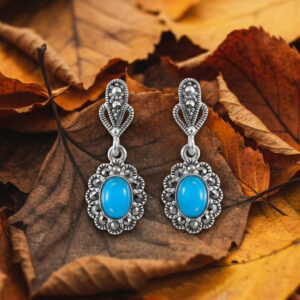
- Cabochons emphasize color, pattern, and a soft glow
- Faceted stones emphasize brilliance and sparkle
- Cabochons have smooth, rounded tops
- Faceted stones have multiple flat surfaces
- Cabochons often look natural or vintage-inspired
- Faceted stones usually look brighter and more dramatic
Neither style is better. The right choice depends on the gemstone, jewelry design, and your personal taste.
Cabochons and Faceted Stones in Jewelry
Cabochons work well in:
- Bezel settings
- Signet rings
- Vintage-inspired jewelry
- Statement rings
- Sterling silver designs
- Marcasite-accented pieces
Their smooth surfaces create an artistic, organic appearance. A bezel setting can also protect the stone’s edges.
Faceted gemstones are popular in:
- Solitaire rings
- Halo settings
- Cocktail rings
- Cluster designs
- Pendants and earrings
- Sterling silver gemstone jewelry
Prong settings are often used to expose more of the stone and allow light to enter from different angles.
Sterling Silver and Marcasite Designs
Sterling silver complements both cabochon and faceted gemstones. Its cool tone creates a clean contrast with colorful stones, while oxidized silver can add a vintage feel.
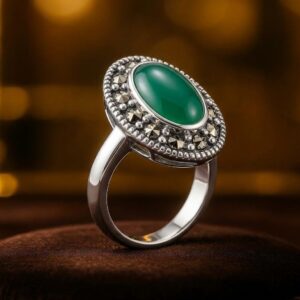
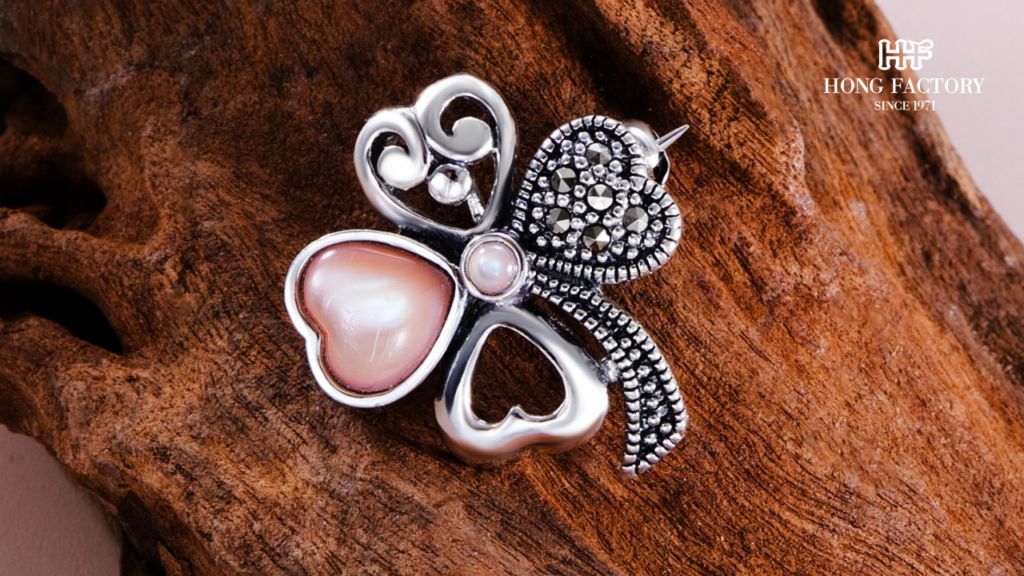
Cabochons paired with marcasite create an attractive contrast between a smooth, glowing center and sparkling accents. Faceted gemstones with marcasite produce a brighter, more detailed look.
Durability and Care
The gemstone’s hardness and setting are important for everyday wear. Cabochons have smooth surfaces but may have exposed domes, while faceted stones can have vulnerable edges or corners.
To care for either style:
- Remove jewelry before swimming, exercising, or using chemicals
- Store pieces separately
- Wipe them with a soft cloth
- Inspect settings regularly
- Avoid abrasive cleaners
- Use only gemstone-safe cleaning methods
Some stones, such as opal, turquoise, and moonstone, require extra care and may not be suitable for ultrasonic cleaning.
Which Style Should You Choose?
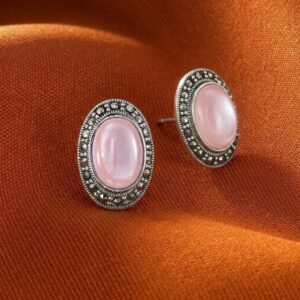
Choose a cabochon if you prefer:
- A soft, understated glow
- Natural patterns and color variation
- Vintage or artistic jewelry
- Opaque or translucent gemstones
Choose a faceted gemstone if you prefer:
- Sparkle and brilliance
- Strong light reflection
- Classic or glamorous designs
- Transparent gemstones
- Formal or occasion jewelry
Cabochon gemstones highlight smooth surfaces, color, and natural character, while faceted gemstones showcase sparkle and light reflection. Consider the gemstone’s properties, the setting, your lifestyle, and your preferred look. Whether you choose a glowing cabochon in sterling silver or a sparkling faceted stone with marcasite details, both styles can create beautiful and distinctive jewelry.



Jewelry Blog
Cabochon vs Faceted Gemstones: What’s the Difference?
Gemstones are commonly cut as either cabochons or faceted [...]
Sep
Oval Cut Gemstones: A Guide to Their Elegant Shape
Oval cut gemstones are admired for their graceful proportions, [...]
Sep
Brooches Are Back: How to Wear This Classic Jewelry Piece
Brooches are making a stylish return. Once associated with [...]
Sep
Bangle vs Bracelet: What’s the Difference?
Bangles and bracelets are both worn around the wrist, [...]
Sep
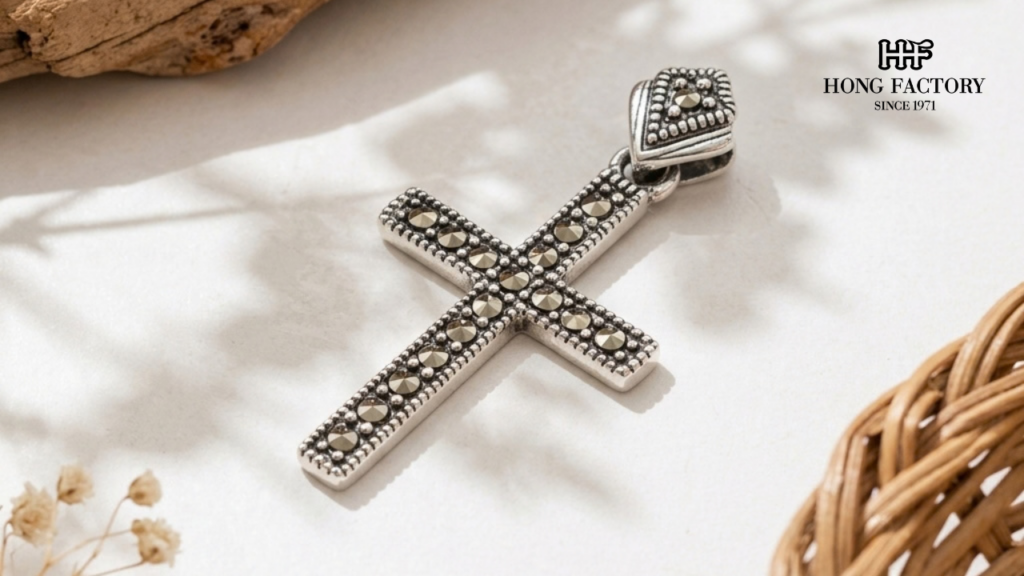
Pendant Styles Explained: Popular Types and How to Choose
Choosing a pendant involves more than selecting a metal, [...]
Sep
Different Ring Settings: Prong, Bezel, Pavé, Channel and More
Choosing a ring involves more than selecting its metal [...]
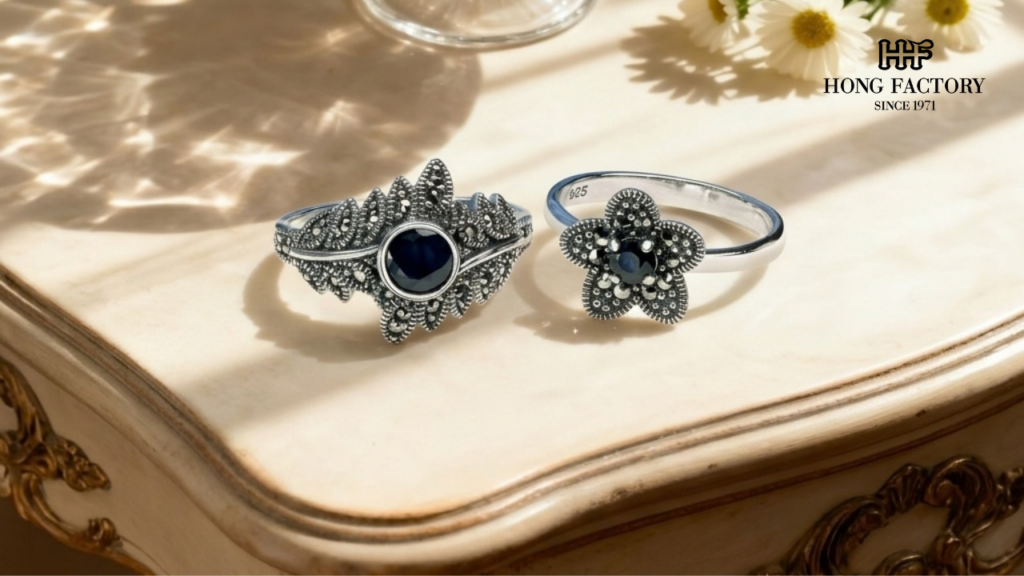
Minimalist Jewelry: Why Simple Designs Never Go Out of Style
Minimalist jewelry proves that elegance does not require elaborate [...]
Sep
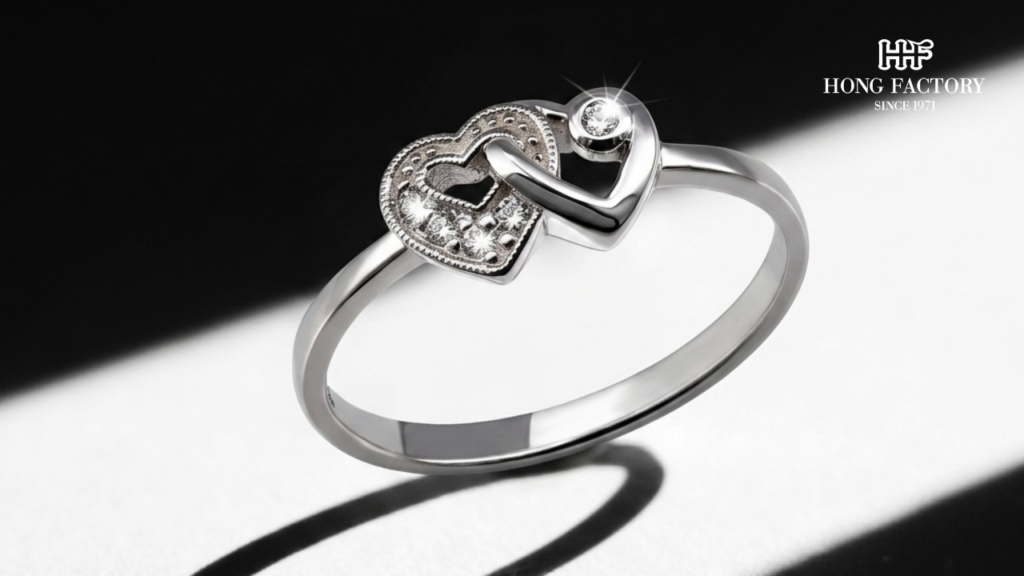
Jewelry Shapes and Their Meanings: A Complete Guide
Jewelry shapes are more than decorative details. Circles, hearts, [...]
Sep