
Introduction
Silver has been used to create beautiful jewelry for centuries. Its natural shine, versatility, and timeless appearance make it a popular choice for rings, earrings, necklaces, bracelets, and other accessories.
However, not all silver jewelry is made from the same material. One of the most widely used standards in the jewelry industry is 925 sterling silver. It offers a practical balance between silver content, durability, and appearance, making it suitable for both everyday jewelry and detailed decorative designs.
For jewelry brands, retailers, and wholesalers, understanding the material is important when selecting products or working with a jewelry manufacturer. Knowing how sterling silver is made, how its quality is assessed, and how it is used in production can help businesses make better purchasing decisions.
This guide explains the essential facts about 925 sterling silver, from its composition to the manufacturing process.
1. What Is 925 Sterling Silver?
925 sterling silver is a silver alloy containing 92.5% pure silver and 7.5% other metals. Copper is commonly used for the remaining portion because it helps improve the strength and durability of the material.
Pure silver is naturally soft. Although it has an attractive white shine, it can be too delicate for many jewelry designs, especially pieces that need to maintain their shape during regular wear.
Adding other metals makes sterling silver more practical for jewelry production while preserving its beautiful silver appearance.
The number 925 represents the silver content in parts per thousand. This means that a piece marked 925 should contain 925 parts of pure silver out of every 1,000 parts of the alloy.
This standard is widely recognized in the jewelry industry and is commonly used by manufacturers around the world.
2. Understanding the Materials in Sterling Silver
The quality and performance of sterling silver depend on its composition and the materials used during production.
The two main components are:
Pure Silver (92.5%)
Pure silver provides the material’s natural color, brightness, and valuable metal content. It is also relatively soft, which is why it is combined with other metals for jewelry applications.
Other Metals (7.5%)
Copper is commonly added to improve strength and hardness. Depending on the manufacturing requirements, other suitable alloying metals may also be used.
The choice of alloy and the production process can influence how the finished metal behaves during forming, polishing, and everyday use.
For manufacturers, maintaining consistent material composition is important because it helps create jewelry with predictable properties and reliable quality.
3. 925 Sterling Silver Jewelry: Popular Styles and Uses
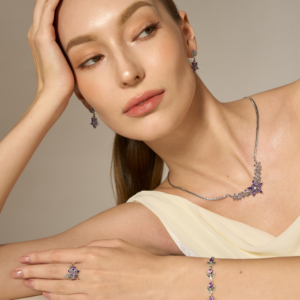
<escape>925 Sterling Silver Jewelry</escape> is popular because it can be used in many different designs, from simple everyday accessories to detailed decorative pieces.
Its versatility makes it suitable for several jewelry categories.
Silver Rings
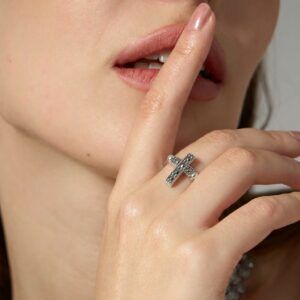
Sterling silver rings are available in minimalist bands, gemstone rings, statement designs, and vintage-inspired styles. The material can be shaped into different forms and combined with decorative stones.
Silver Earrings
Stud earrings, drop earrings, hoops, and marcasite designs are common examples. Sterling silver provides a bright finish that works well with both simple and detailed designs.
Silver Necklaces and Pendants
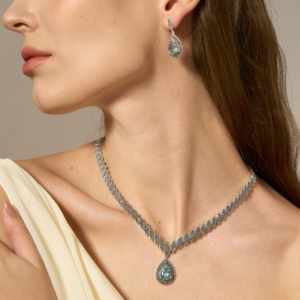
Silver chains and pendants can feature geometric shapes, floral patterns, symbolic details, or gemstones. They are suitable for casual outfits and more formal occasions.
Silver Bracelets
From delicate chain bracelets to decorative link designs and bangles, sterling silver offers flexibility for different styles and customer preferences.
Marcasite Jewelry
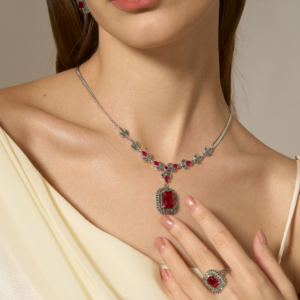
Sterling silver is also widely used with marcasite stones to create vintage-inspired jewelry. The combination of a bright silver setting and small metallic stones produces an elegant, distinctive appearance.
For retailers and wholesalers, offering a variety of styles can help attract customers with different fashion preferences.
4. How Sterling Silver Jewelry Is Manufactured
The manufacturing process involves several stages. The exact methods may vary depending on the design, production quantity, and decorative materials.
Step 1: Material Preparation
Sterling silver is prepared according to the required alloy composition. Manufacturers must work with suitable materials to ensure the metal meets the intended specification.
Step 2: Melting and Casting
The silver alloy may be melted and poured into molds to create the basic shape of a jewelry component. Casting is commonly used for designs with detailed shapes or repeated production requirements.
Step 3: Forming and Shaping
Depending on the design, silver may be cut, shaped, pressed, or assembled into individual components.
Step 4: Assembly
Separate parts are joined together. For example, a ring setting may be attached to a band, or a pendant may be connected to a chain.
Step 5: Stone Setting
Gemstones, cubic zirconia, marcasite, or other decorative elements are placed and secured according to the design.
Step 6: Polishing and Finishing
The jewelry is polished to create a smooth surface and attractive shine. Additional finishing treatments may be applied depending on the product requirements.
Each stage requires attention to detail to achieve the desired appearance and quality.
5. How to Identify Quality 925 Sterling Silver
When purchasing silver jewelry, checking the material and construction is important. A 925 stamp is a useful indication of the intended silver standard, but it should not be the only factor used to evaluate quality.
Here are several points to consider:
925 Hallmark
Look for a 925 marking on the jewelry where appropriate. This indicates that the piece is represented as sterling silver, although the marking alone does not independently prove its composition.
Material Verification
Reliable manufacturers should be able to explain their material specifications and provide appropriate documentation or testing information when required.
Surface Quality
Check whether the surface is smooth and evenly finished. Poor polishing may leave visible marks, rough edges, or inconsistent shine.
Construction and Durability
Closely inspect clasps, joints, ring settings, and other connecting parts. They should be properly made and suitable for the intended use.
Stone Setting
For gemstone or marcasite jewelry, stones should be securely positioned and aligned. Loose or unevenly placed stones can affect both appearance and durability.
For wholesale buyers, it is also important to evaluate consistency across samples and production batches.
6. Why Does Sterling Silver Tarnish?
One common characteristic of sterling silver is that it can tarnish over time. Tarnishing is a natural chemical reaction that causes the surface to become darker or less shiny.
Silver reacts with sulfur-containing substances in the environment, forming a dark layer of silver sulfide on its surface.
Several factors can contribute to tarnishing, including:
- Air pollution and environmental exposure.
- Humidity and moisture.
- Sweat and natural skin oils.
- Perfume, cosmetics, and household chemicals.
- Contact with rubber, wool, and certain paper products.
Tarnishing does not automatically mean that silver jewelry is fake or damaged. It is a normal characteristic of silver-containing materials.
Regular cleaning and proper storage can help maintain the jewelry’s appearance. Store silver pieces in a dry place, preferably in individual pouches or airtight containers, and avoid unnecessary contact with chemicals.
7. Sterling Silver vs. Pure Silver
Understanding the difference between pure silver and sterling silver can help buyers select the right material for their products.
| Feature | Pure Silver | 925 Sterling Silver |
|---|---|---|
| Silver content | Around 99.9% | 92.5% |
| Other metals | Very little | 7.5% |
| Hardness | Softer | Stronger |
| Jewelry applications | Suitable for selected designs | Widely used for jewelry |
| Everyday wear | More easily bent or scratched | Generally more practical |
Pure silver has a higher silver content, but its softness can limit its use in certain jewelry designs.
Sterling silver is often preferred for jewelry manufacturing because it provides a useful combination of silver content, workability, and strength.
8. The Importance of Quality Control in Silver Jewelry Manufacturing
Quality control helps ensure that finished jewelry meets the required specifications and customer expectations.
For manufacturers, inspection should take place throughout production rather than only at the final stage.
Important quality checks may include:
- Verification of silver material specifications.
- Inspection of dimensions and product weight.
- Checking joints, clasps, and structural components.
- Reviewing polishing and surface finishing.
- Checking gemstone or marcasite placement.
- Confirming that products match approved samples.
For wholesale orders, consistency is especially important. Buyers expect products within the same collection to have similar dimensions, finishes, and overall appearance.
Working with a manufacturer that follows clear inspection procedures can help reduce quality problems and support long-term business relationships.
9. Choosing a Reliable 925 Sterling Silver Jewelry Manufacturer
Selecting the right supplier is an important decision for jewelry brands, retailers, and wholesalers.
A reliable manufacturer should have experience with sterling silver materials, a clear production process, and the ability to support the types of designs required by the customer.
Before choosing a factory, consider the following factors:
Manufacturing Experience: Look for a supplier with experience in producing different silver jewelry categories.
Design Capabilities: Check whether the factory can support existing designs, custom projects, and different decorative techniques.
Material Standards: Ask about silver composition, hallmarking practices, and material verification.
Production Capacity: Make sure the manufacturer can handle your expected order quantities and delivery requirements.
Communication: Clear communication helps avoid misunderstandings about design details, materials, pricing, and production schedules.
Quality Control: Ask how products are inspected before shipment and how quality concerns are handled.
A good manufacturing partner should be able to explain the process clearly and help buyers understand what to expect at each stage.
10. Why Choose Hong Factory for Sterling Silver Jewelry?
Hong Factory is a Thailand-based manufacturer specializing in sterling silver and marcasite jewelry. With more than 50 years of experience, the factory supports jewelry businesses seeking quality products and manufacturing solutions.
The factory produces a variety of jewelry styles, including rings, earrings, necklaces, bracelets, and other decorative silver accessories.
Working with 925 sterling silver and a range of decorative materials, Hong Factory supports collections that include classic, vintage-inspired, and contemporary designs.
For wholesalers, retailers, and jewelry brands, choosing an experienced manufacturer can make it easier to explore different product styles and develop collections that suit their target markets.
Whether you are sourcing existing designs or planning a new jewelry collection, Hong Factory can help you discuss suitable manufacturing options based on your product requirements.
Conclusion
925 sterling silver remains one of the most widely used materials in the jewelry industry because it combines the beauty of silver with greater strength and practicality than pure silver.
Understanding its composition, manufacturing process, quality standards, and care requirements can help jewelry businesses make informed decisions when sourcing products or developing new collections.
For retailers, wholesalers, and jewelry brands, working with an experienced manufacturer is an important step toward maintaining consistent product quality and building customer confidence.
By choosing suitable materials and reliable production partners, businesses can create beautiful sterling silver jewelry collections designed to meet the needs of today’s market.