
Ruby remains one of the most sought-after gemstones in the global jewelry market, prized for its rich red color and timeless appeal. For wholesale buyers, understanding the differences between lab-created rubies and Natural Ruby is essential for making informed purchasing decisions.
As demand continues to grow, both options offer unique advantages depending on your target market, pricing strategy, and brand positioning. This guide explores the key distinctions between lab-created and natural rubies, helping wholesale buyers choose the right gemstone for their business.
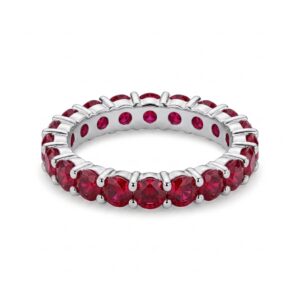
Understanding Natural Ruby
A Natural Ruby is formed deep within the Earth over millions of years under intense heat and pressure. These gemstones are mined from locations such as Myanmar, Thailand, Mozambique, and Sri Lanka.
Characteristics of Natural Ruby
Natural rubies are valued for their rarity and unique characteristics, including:
- Natural inclusions that act as fingerprints
- Variations in color and tone
- Unique crystal structures
- Limited availability depending on origin
Because each Natural Ruby is one-of-a-kind, it carries a sense of authenticity and exclusivity that appeals to collectors and luxury buyers.
Market Value of Natural Ruby
Natural rubies typically command higher prices due to their rarity and mining costs. Factors that influence value include:
- Color intensity (especially “pigeon blood red”)
- Clarity and inclusions
- Cut and craftsmanship
- Origin and certification
For wholesale buyers targeting premium markets, Natural Ruby remains a top choice.
What Are Lab-Created Rubies?
Lab-created rubies, also known as synthetic rubies, are produced in controlled laboratory environments using advanced technology that replicates natural formation processes.
Key Features of Lab-Created Rubies
Lab-created rubies offer several advantages:
- Consistent color and clarity
- Fewer inclusions
- More affordable pricing
- Reliable supply chain
These gemstones are chemically and physically identical to Natural Ruby but are created in a fraction of the time.
Cost Efficiency for Wholesale Buyers
One of the biggest advantages of lab-created rubies is cost. Wholesale buyers can purchase larger quantities at lower prices, making them ideal for:
- Fashion jewelry collections
- Mass-market retail
- Trend-driven designs
- Entry-level luxury products
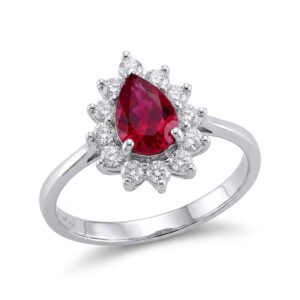
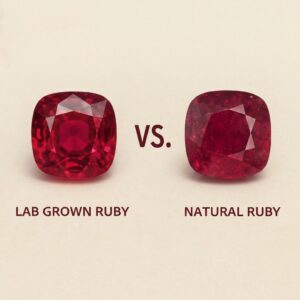
Natural Ruby vs Lab-Created Ruby: Key Differences
Understanding the differences between Natural Ruby and lab-created ruby is crucial for wholesale decision-making.
1. Origin and Formation
- Natural Ruby: Formed naturally over millions of years
- Lab-Created Ruby: Produced in laboratories within weeks
2. Price and Accessibility
- Natural Ruby: Higher cost due to rarity
- Lab-Created Ruby: More affordable and widely available
3. Appearance and Quality
- Natural Ruby: Unique inclusions and variations
- Lab-Created Ruby: Cleaner appearance with fewer imperfections
4. Market Perception
- Natural Ruby: Associated with luxury, authenticity, and investment value
- Lab-Created Ruby: Viewed as modern, sustainable, and budget-friendly
Choosing the Right Ruby for Your Wholesale Business
Selecting between Natural Ruby and lab-created ruby depends on your business goals and customer base.
Target Market Considerations
Wholesale buyers should consider:
- Luxury vs mass-market positioning
- Customer preferences for authenticity
- Price sensitivity
- Brand identity
For high-end jewelry lines, Natural Ruby is often preferred. For fashion-forward collections, lab-created rubies provide flexibility and affordability.
Product Line Strategy
Many successful wholesalers offer both options to cater to different segments:
- Premium collections featuring Natural Ruby
- Affordable lines using lab-created rubies
- Mixed gemstone designs for variety
This approach allows businesses to maximize market reach.
Sustainability and Ethical Sourcing
Sustainability is becoming increasingly important in the jewelry industry.
Natural Ruby Sourcing
Ethically sourced Natural Ruby requires responsible mining practices, including:
- Fair labor conditions
- Environmental protection
- Transparent supply chains
Buyers should work with reputable suppliers who provide certification and traceability.
Lab-Created Ruby Advantages
Lab-created rubies are often considered more environmentally friendly because they:
- Reduce the need for mining
- Minimize environmental impact
- Offer traceable production processes
This makes them appealing to eco-conscious consumers.
Certification and Quality Assurance
For wholesale buyers, certification plays a critical role in ensuring gemstone authenticity and quality.
Natural Ruby Certification
Natural rubies should be accompanied by certificates from recognized gemological laboratories such as:
- GIA (Gemological Institute of America)
- IGI (International Gemological Institute)
- GRS (GemResearch Swisslab)
These certificates verify origin, treatment, and authenticity.
Lab-Created Ruby Documentation
Lab-created rubies should also include documentation confirming their synthetic origin. Transparency is essential to maintain trust with customers.
Pricing Strategies for Wholesale Buyers
Pricing plays a key role in determining profitability and competitiveness.
Natural Ruby Pricing
Natural Ruby pricing is influenced by rarity and quality. Wholesale buyers should:
- Source from trusted suppliers
- Evaluate gemstone grading carefully
- Consider long-term investment value
Lab-Created Ruby Pricing
Lab-created rubies allow for:
- Competitive pricing strategies
- Higher profit margins in volume sales
- Flexible product development
Balancing both options can optimize revenue streams.
Trends in the Ruby Jewelry Market
The global demand for ruby jewelry continues to grow, driven by both traditional and modern preferences.
Rising Demand for Natural Ruby
Luxury consumers continue to seek Natural Ruby for:
- Investment pieces
- Heirloom jewelry
- High-end collections
Growth of Lab-Created Ruby
Lab-created rubies are gaining popularity due to:
- Affordability
- Sustainability
- Consistent quality
Wholesale buyers who adapt to these trends can stay competitive in a dynamic market.
Choosing between lab-created and Natural Ruby is a strategic decision for wholesale buyers. Each option offers distinct advantages depending on your target audience, pricing goals, and brand positioning.
Natural Ruby provides unmatched authenticity, rarity, and prestige, making it ideal for luxury markets. Meanwhile, lab-created rubies offer affordability, consistency, and sustainability, perfect for modern and mass-market collections.
By understanding these differences and aligning them with your business strategy, you can build a diverse and successful jewelry portfolio that meets the evolving demands of today’s consumers.



Jewelry Blog
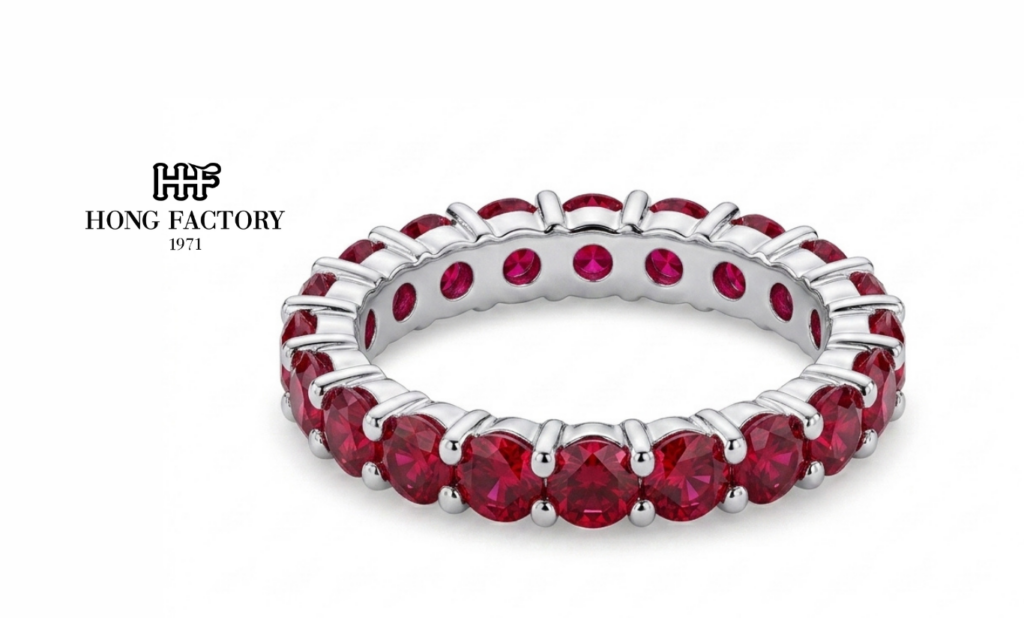
Lab-Created vs Natural Ruby: What Wholesale Buyers Should Know
Ruby remains one of the most sought-after gemstones in [...]
Jul
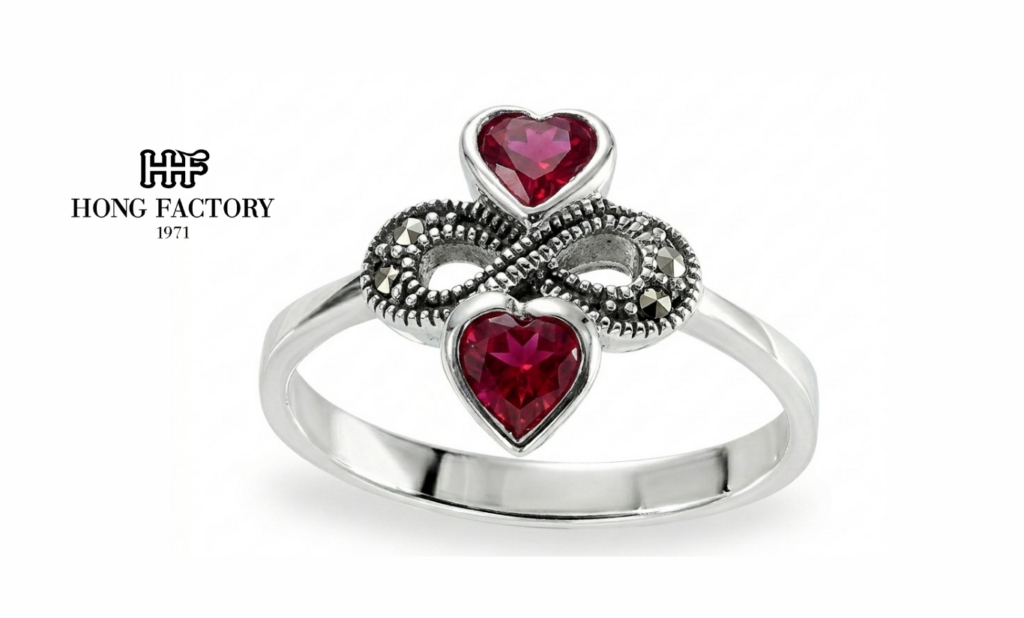
Ruby Marcasite Rings: July 2026 New Arrivals from Thailand
Ruby has long been celebrated as the gemstone of [...]
Jul
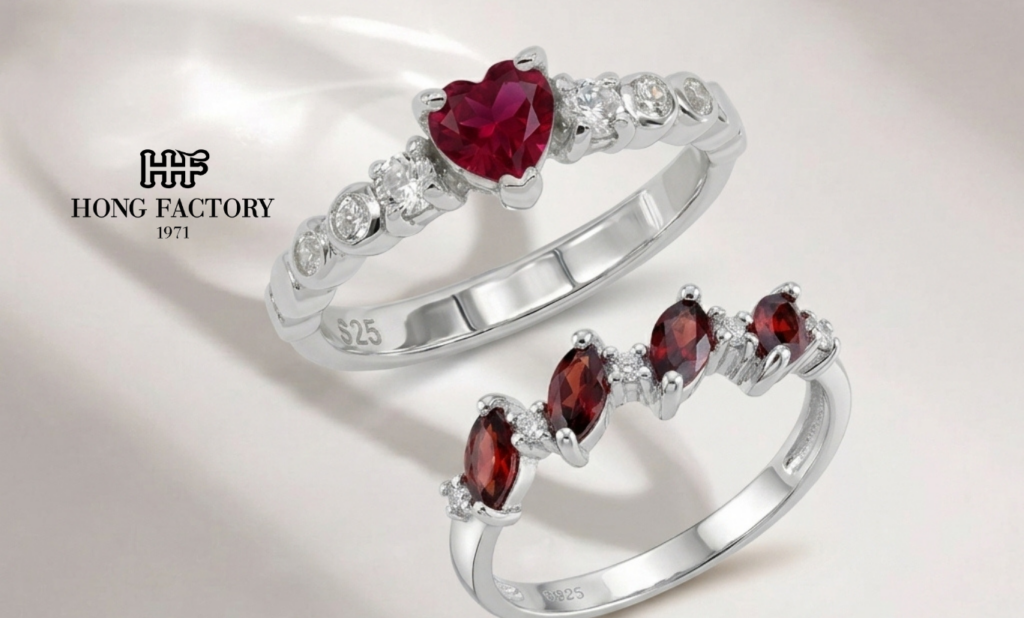
Ruby vs Garnet: Telling Red Gemstones Apart in Silver Jewelry
Red gemstones have long symbolized passion, power, and elegance. [...]
Jul
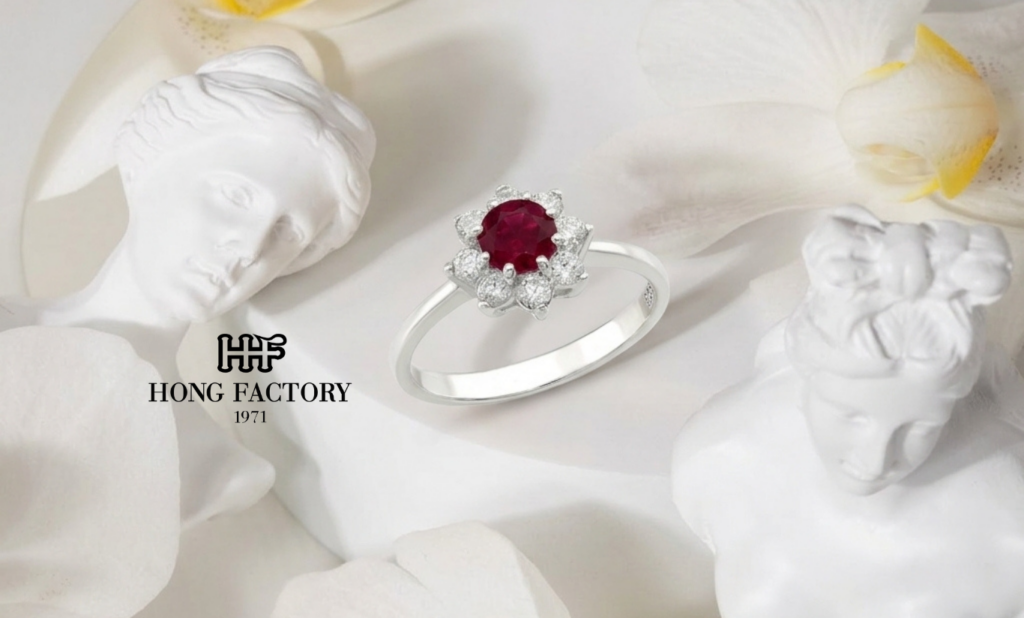
Why Ruby Is the King of Gemstones: A Wholesale Buyer’s Guide
Ruby has long been revered as the “King of [...]
Jul
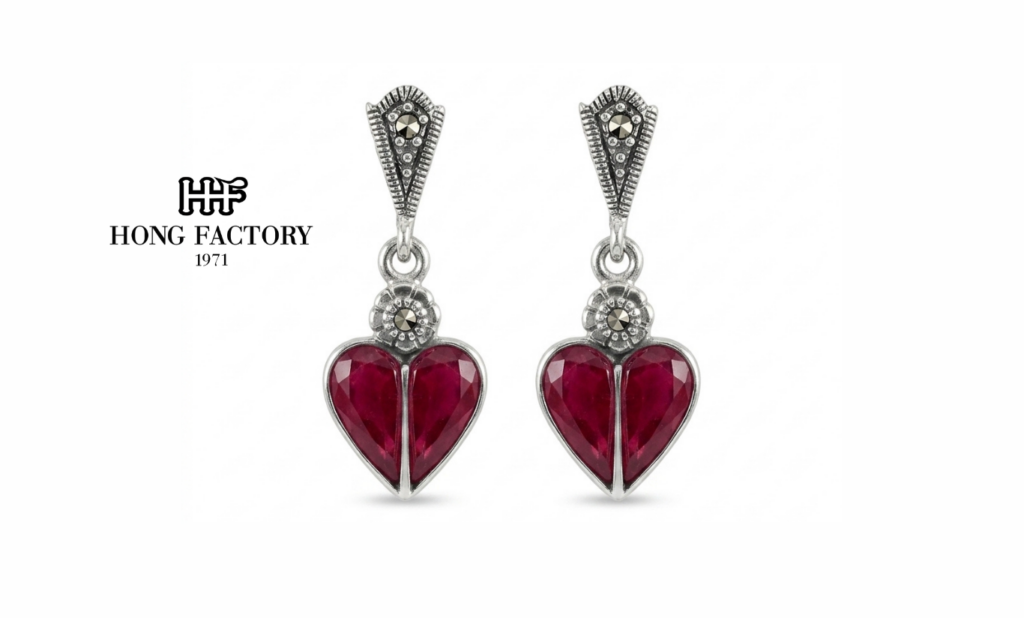
July Birthstone Guide: Ruby in Sterling Silver & Marcasite Jewelry
When July arrives with its blazing heat and long [...]
Jul
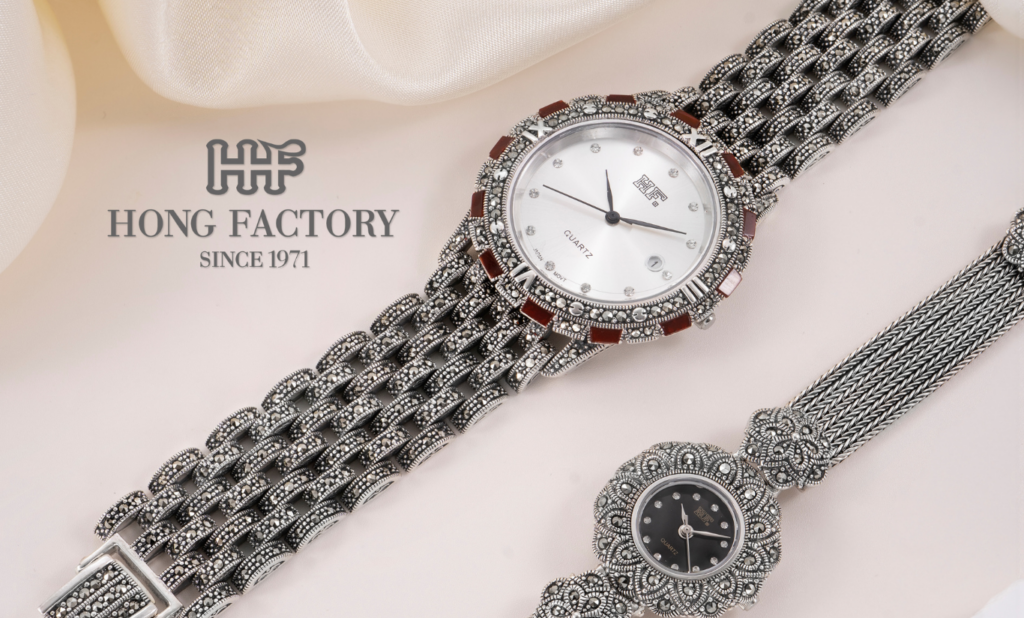
Marcasite Watch Collection: Classic Elegance for Summer Wardrobes
As Summer 2026 arrives, fashion enthusiasts are embracing accessories [...]
Jul
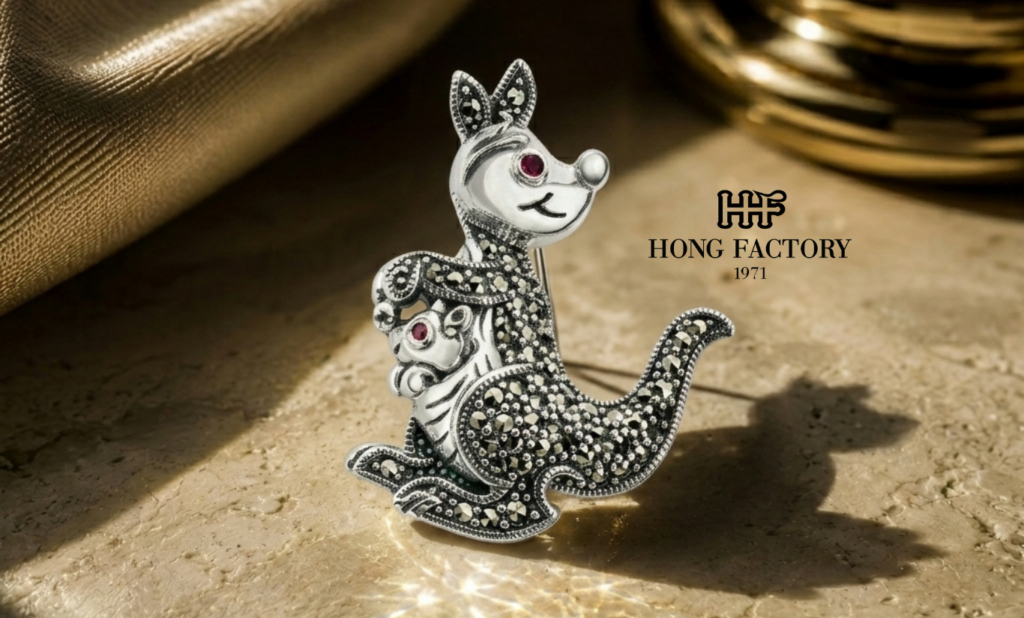
Marcasite Brooch Collection: A Timeless Piece for June Gifting Season
As June arrives, bringing wedding celebrations, graduations, anniversaries, and [...]
Jun
Silver Bangles for Summer: Hong Factory’s June 2026 Bestsellers
As summer arrives across major global markets, jewelry buyers [...]
Jun