In today’s competitive global market, choosing the right Jewelry Manufacturing model is a critical decision for brands looking to scale, differentiate, and succeed. Whether you are launching a new jewelry line or expanding an existing business, understanding the differences between OEM (Original Equipment Manufacturer) and ODM (Original Design Manufacturer) can help you make informed decisions that align with your brand vision and operational goals.
Both models offer unique advantages, but selecting the right one depends on factors such as design control, budget, production timeline, and brand identity. This guide will walk you through the key differences, benefits, and considerations to help you determine which Jewelry Manufacturing approach best fits your brand.
Understanding Jewelry Manufacturing Models
Before diving into comparisons, it’s important to understand what OEM and ODM mean in the context of Jewelry Manufacturing.
What Is OEM (Original Equipment Manufacturer)?
OEM refers to a manufacturing model where a brand provides its own designs, specifications, and concepts, and the manufacturer produces the jewelry accordingly.
In this model, you maintain full control over:
- Design and creativity
- Branding and packaging
- Material selection
- Product specifications
The manufacturer acts as a production partner, bringing your vision to life.
What Is ODM (Original Design Manufacturer)?
ODM, on the other hand, involves working with a manufacturer that already has pre-designed jewelry collections. Brands can select existing designs and customize them slightly, such as adding logos or making minor adjustments.
In this model, the manufacturer handles:
- Design development
- Prototyping
- Production
This approach allows brands to launch products quickly without investing heavily in design resources.
Key Differences Between OEM and ODM
Understanding the core differences between OEM and ODM is essential when choosing the right Jewelry Manufacturing strategy.
Design Ownership
- OEM: Full ownership of designs. Ideal for brands that want unique, exclusive products.
- ODM: Limited ownership. Designs are often shared or slightly modified versions of existing products.
Time to Market
- OEM: Longer development time due to design, prototyping, and revisions.
- ODM: Faster production since designs are already available.
Cost Structure
- OEM: Higher upfront costs due to design development and tooling.
- ODM: Lower initial investment, making it suitable for startups or small businesses.
Customization Level
- OEM: High level of customization, from materials to intricate design details.
- ODM: Limited customization, typically focused on branding and minor design tweaks.
Advantages of OEM Jewelry Manufacturing
OEM is often the preferred choice for brands that prioritize originality and long-term brand building.
Full Creative Control
With OEM, you have complete authority over your jewelry designs. This allows you to create distinctive collections that reflect your brand identity.
Strong Brand Differentiation
Unique designs help your brand stand out in a crowded market. Customers are more likely to recognize and remember exclusive products.
Intellectual Property Protection
Since you own the designs, you can protect your intellectual property and prevent competitors from replicating your products.
Premium Market Positioning
OEM products often command higher prices due to their exclusivity and craftsmanship, making them ideal for luxury or niche brands.
Advantages of ODM Jewelry Manufacturing
ODM offers a practical solution for brands looking to enter the market quickly and efficiently.
Faster Product Launch
With ready-made designs, you can significantly reduce development time and bring products to market faster.
Lower Development Costs
ODM eliminates the need for extensive design work, reducing upfront investment and financial risk.
Proven Designs
Manufacturers often base ODM collections on market trends and best-selling styles, increasing the likelihood of commercial success.
Simplified Process
ODM streamlines the Jewelry Manufacturing process, making it easier for businesses with limited experience or resources.
When to Choose OEM for Your Jewelry Brand
OEM is ideal for brands that:
Focus on Unique Identity
If your brand emphasizes originality and storytelling, OEM allows you to create one-of-a-kind pieces that resonate with your audience.
Target Premium or Luxury Markets
High-end customers often seek exclusive designs. OEM enables you to meet these expectations with custom-crafted jewelry.
Have Design Expertise
Brands with in-house designers or creative teams can fully leverage the benefits of OEM.
Plan for Long-Term Growth
OEM supports sustainable brand development by building a strong and recognizable product portfolio.
When to Choose ODM for Your Jewelry Brand
ODM is a great option for brands that:
Need Quick Market Entry
If speed is a priority, ODM allows you to launch collections without lengthy development cycles.
Operate on a Limited Budget
Startups and small businesses can benefit from the lower costs associated with ODM.
Want to Test the Market
ODM is ideal for testing new product categories or trends before committing to custom designs.
Lack Design Resources
Brands without dedicated design teams can rely on manufacturers’ expertise to create appealing products.
Hybrid Approach: Combining OEM and ODM
Many successful brands adopt a hybrid strategy that combines both OEM and ODM in their Jewelry Manufacturing process.
Benefits of a Hybrid Model
- Launch quickly with ODM products
- Gradually introduce OEM designs
- Balance cost efficiency with brand uniqueness
- Adapt to changing market demands
This approach allows brands to scale strategically while maintaining flexibility.
Factors to Consider Before Choosing a Model
Selecting the right Jewelry Manufacturing model requires careful evaluation of your business goals and resources.
Budget and Investment
Determine how much you are willing to invest in design, development, and production.
Brand Positioning
Consider whether your brand focuses on exclusivity or accessibility.
Production Volume
OEM may require higher minimum order quantities, while ODM often offers more flexibility.
Timeline
Assess how quickly you need to launch your products.
Supplier Capabilities
Choose a manufacturer with proven expertise, quality standards, and reliable communication.
Tips for Working with Jewelry Manufacturers
Regardless of whether you choose OEM or ODM, building a strong partnership with your manufacturer is essential.
Clear Communication
Provide detailed specifications and maintain open communication throughout the process.
Quality Control
Implement strict quality checks to ensure consistency and customer satisfaction.
Sample Testing
Always request samples before mass production to verify design and craftsmanship.
Long-Term Collaboration
Developing a long-term relationship with your manufacturer can lead to better pricing, improved quality, and smoother operations.
The Future of Jewelry Manufacturing
The Jewelry Manufacturing industry continues to evolve with advancements in technology, sustainability, and consumer preferences.
Digital Design and 3D Printing
Modern tools enable faster prototyping and more precise designs, benefiting both OEM and ODM models.
Sustainable Practices
Consumers are increasingly demanding ethical sourcing and eco-friendly production methods.
Customization Trends
Personalized jewelry is gaining popularity, making OEM an attractive option for brands focusing on customization.
Choosing between OEM and ODM in Jewelry Manufacturing is a strategic decision that can shape the future of your brand. OEM offers unmatched creativity and exclusivity, while ODM provides speed, efficiency, and cost-effectiveness.
Ultimately, the best model depends on your brand’s goals, resources, and target market. By understanding the strengths and limitations of each approach, you can make informed decisions that support your growth and success.
Whether you prioritize innovation or efficiency, selecting the right Jewelry Manufacturing model will help you build a strong, competitive, and sustainable jewelry brand in today’s dynamic market.



Jewelry Blog
How Marcasite Stones Are Hand-Set into Sterling Silver
The art of setting Marcasite Stones into sterling silver [...]
Jul
OEM vs ODM: Which Jewelry Manufacturing Model Fits Your Brand?
In today’s competitive global market, choosing the right Jewelry [...]
Jul
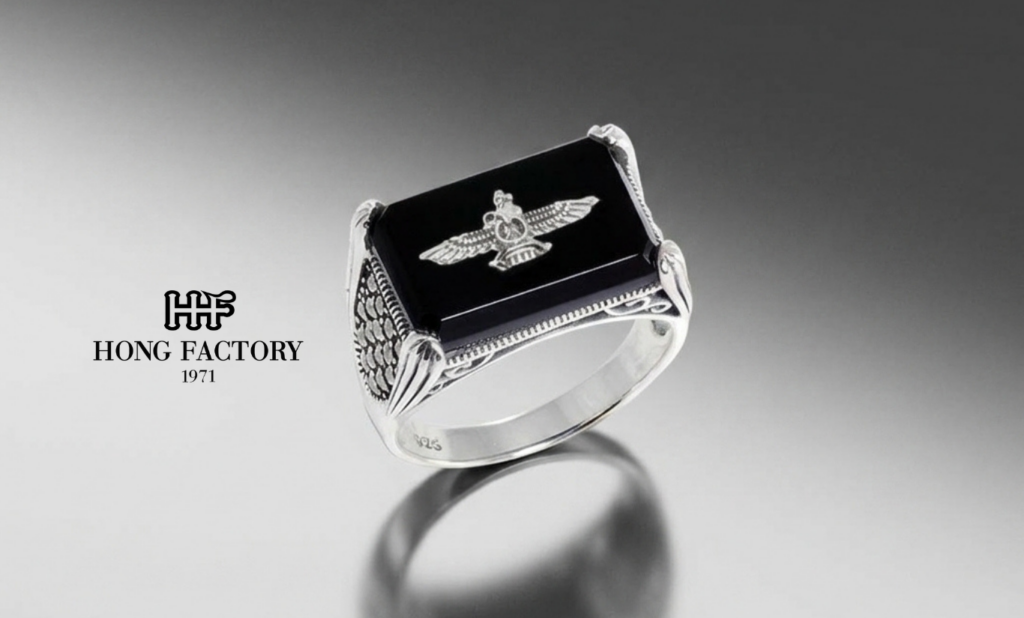
Men’s Silver Jewelry Line: An Untapped Wholesale Opportunity
In today’s evolving fashion landscape, men’s accessories are no [...]
Jul
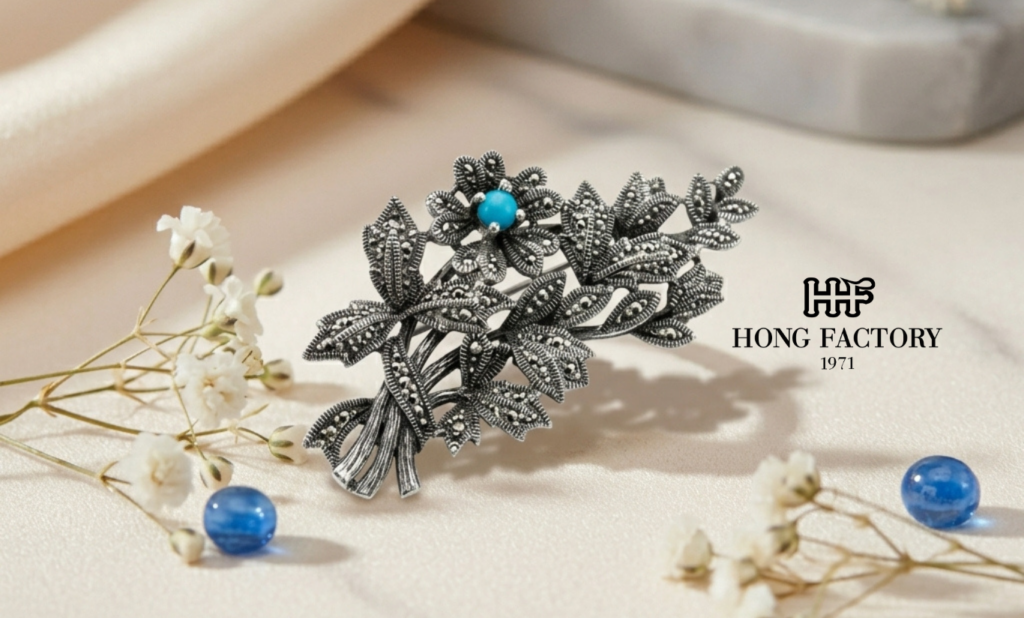
Marcasite Brooch Revival: Vintage Style Meets Modern Wholesale Demand
In the ever-evolving world of fashion jewelry, trends often [...]
Jul
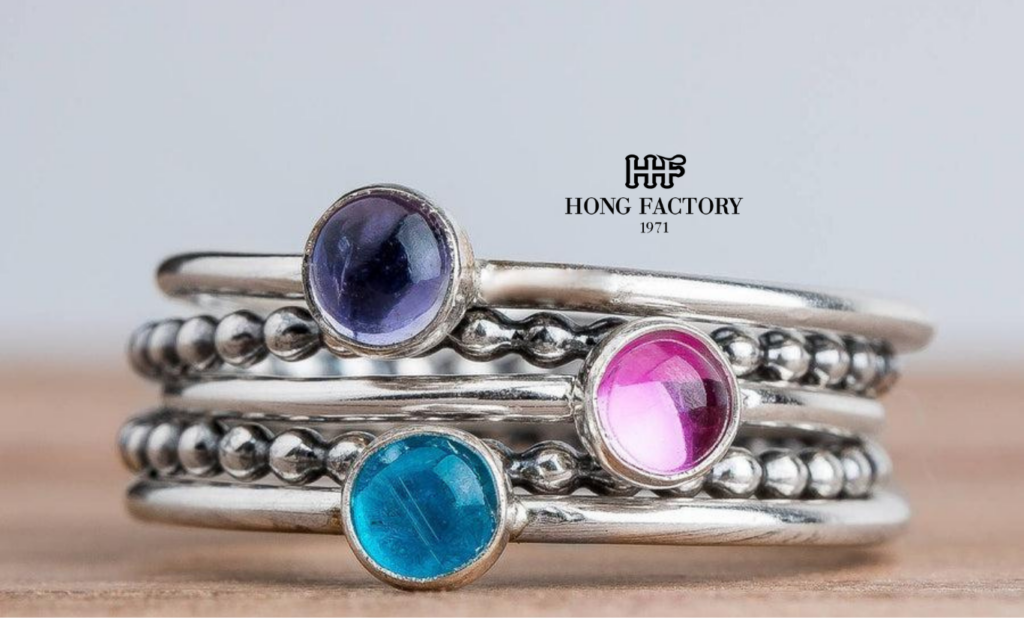
Stackable Silver Rings: A Best-Seller Trend for Retailers
In today’s fast-evolving jewelry market, retailers are constantly searching [...]
Jul
From Bangkok to Your Store: How Hong Factory Delivers Wholesale Orders Worldwide
In today’s global marketplace, sourcing high-quality jewelry from trusted [...]
Jul
MOQ Explained: How Much Should You Order from a Thai Silver Wholesaler?
When sourcing jewelry from a Silver Wholesaler, one of [...]
Jul
Production Lead Time Explained: Planning Your Q4 Jewelry Orders Now
As the busiest retail season approaches, planning your Q4 [...]
Jul