
Sterling silver 925 is one of the most popular materials used in jewelry. It offers the bright appearance of silver, dependable durability, and a versatile finish that works well with everyday and special-occasion styles. Understanding what “925” means can help you make more informed decisions when buying rings, earrings, necklaces, bracelets, or other silver jewelry.
Whether you are purchasing a simple accessory, a meaningful gift, or a detailed gemstone design, knowing how sterling silver is made, marked, cared for, and compared with other metals can help you choose pieces with confidence.
What Does Sterling Silver 925 Mean?
The term “925” refers to the purity of the silver used in the jewelry. Sterling silver contains 92.5% pure silver and 7.5% other metals, usually copper or a similar strengthening alloy.
Pure silver is naturally soft and can bend, scratch, or lose its shape more easily. Adding a small amount of another metal improves the strength and durability of the finished material while preserving silver’s distinctive appearance.
The numbers “925” indicate that 925 parts out of 1,000 are pure silver. You may also see markings such as:
- 925
- .925
- Sterling
- Sterling Silver
- S925
These marks are commonly used to identify sterling silver, although a stamp alone should not be considered the only proof of authenticity.
Why Is Pure Silver Mixed with Other Metals?
Pure silver is attractive but relatively soft. Jewelry made entirely from pure silver may be more vulnerable to dents, scratches, bending, and everyday wear.
The additional alloy metals in sterling silver help jewelry:
- Maintain its shape
- Resist everyday damage
- Hold gemstones more securely
- Support detailed designs
- Improve long-term wearability
- Make jewelry suitable for regular use
This balance between purity and strength is why sterling silver is widely used for rings, earrings, pendants, chains, bracelets, and decorative jewelry.
How Sterling Silver Looks
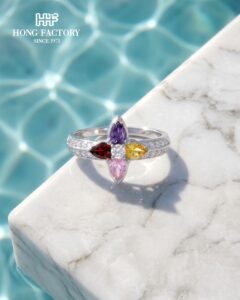
Sterling silver has a bright, cool-toned appearance that can range from highly polished and reflective to softly brushed or oxidized. Its neutral color makes it easy to pair with many clothing styles and gemstones.
Sterling silver jewelry may feature finishes such as:
- High polish
- Matte or brushed texture
- Hammered surfaces
- Oxidized detailing
- Rhodium plating
- Antique-inspired finishes
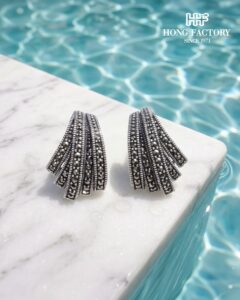
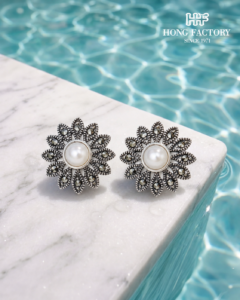
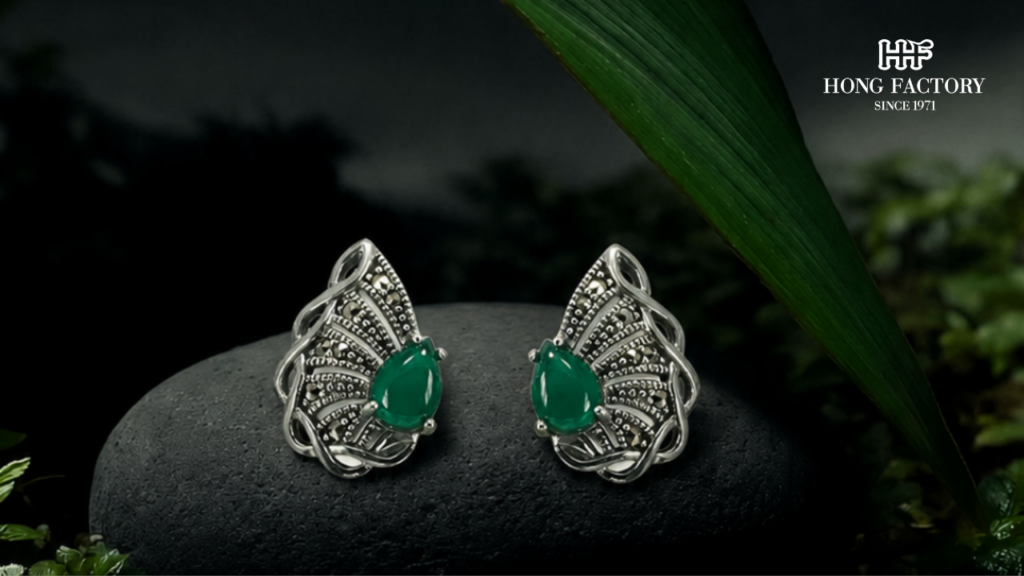
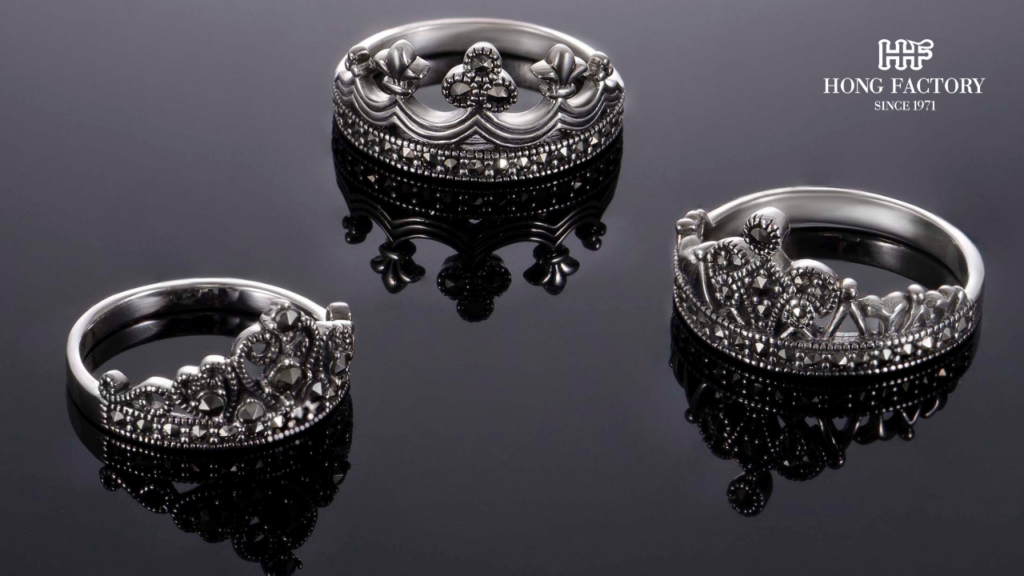
A polished finish creates a clean, contemporary look, while oxidized or antiqued details can add depth and vintage character. Marcasite jewelry, for example, often uses darkened silver settings to emphasize the sparkle and intricate structure of the stones.
Is Sterling Silver the Same as Pure Silver?
Sterling silver and pure silver are related but not identical.
Pure silver is generally described as 99.9% silver and may be marked “999.” Because it is softer, it is less commonly used for jewelry that must withstand frequent handling.
Sterling silver contains 92.5% silver and is strengthened with other metals. This makes it more practical for jewelry intended for everyday wear.
The choice between pure silver and sterling silver depends on the item’s purpose, design, and expected use. For most wearable jewelry, sterling silver offers a useful combination of beauty, strength, and affordability.
How to Identify Sterling Silver 925
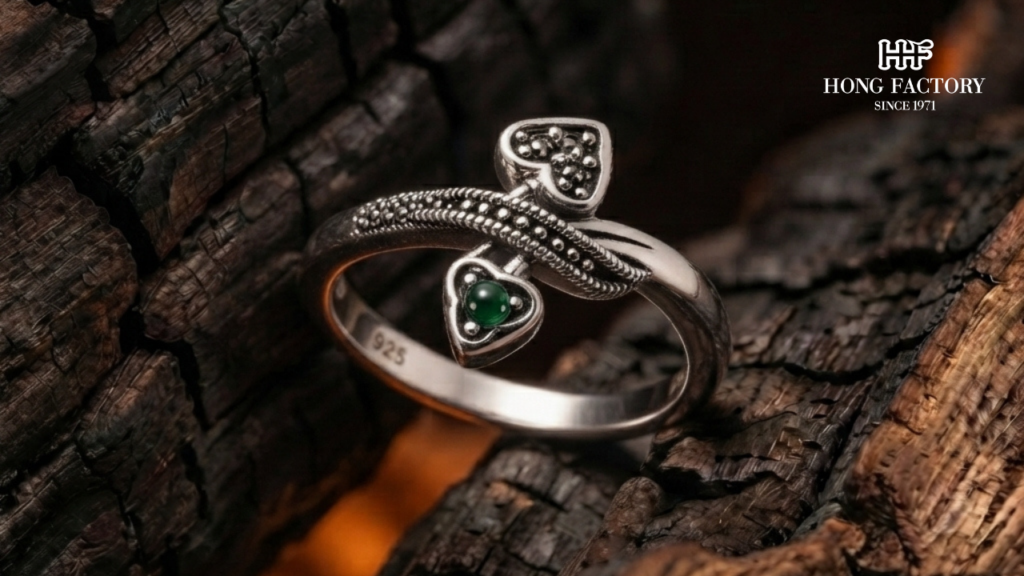
Many sterling silver pieces carry a hallmark or purity stamp. Look for markings such as “925,” “.925,” or “Sterling Silver” in discreet areas, including:
- The inside of a ring
- The back of an earring
- The clasp of a necklace
- The underside of a pendant
- The interior of a bracelet
However, markings can be copied or used inaccurately. When authenticity matters, purchase from a reputable seller and review the product description, return policy, and available documentation.
Professional testing methods may include acid testing, electronic testing, or X-ray fluorescence analysis. These methods can provide more reliable confirmation than visual inspection alone.
Sterling Silver Compared with Silver-Plated Jewelry
Sterling silver is a solid silver alloy throughout the piece, while silver-plated jewelry consists of a base metal covered with a thin layer of silver.
Silver-plated jewelry may look similar when new, but the outer coating can wear away over time, especially on rings, bracelets, clasps, and other areas exposed to friction.
Key differences include:
- Sterling silver contains silver throughout the material.
- Silver-plated jewelry has only a surface layer of silver.
- Sterling silver can often be polished or professionally repaired.
- Plating may eventually reveal the base metal underneath.
- Sterling silver is generally more valuable than silver-plated jewelry.
If a product is described only as “silver tone,” “silver color,” or “silver plated,” it should not automatically be assumed to be sterling silver.
Sterling Silver and Skin Sensitivity
Many people wear sterling silver comfortably, but individual reactions can vary. Because sterling silver contains a small amount of alloy metal, some people with sensitive skin may experience irritation depending on the composition.
If you have metal sensitivities, consider:
- Asking about the alloy composition
- Choosing reputable manufacturers
- Looking for nickel-free options
- Selecting well-finished jewelry
- Removing jewelry if irritation develops
- Consulting a professional if reactions persist
The quality of the metal, plating, solder, posts, backs, and other components can all affect comfort.
Does Sterling Silver Tarnish?
Sterling silver can tarnish over time. Tarnish is a surface reaction that occurs when silver interacts with substances in the environment, including sulfur compounds, moisture, cosmetics, oils, and household chemicals.
Tarnish may appear as:
- Yellowing
- Gray discoloration
- Brownish tones
- Dark or black areas
Tarnish does not necessarily mean the jewelry is fake or damaged. It is a common characteristic of silver and can usually be removed with appropriate cleaning.
Oxidized sterling silver is intentionally darkened to emphasize texture and detail. This finish should be cleaned carefully so that the darker areas are not removed unintentionally.
How to Care for Sterling Silver Jewelry
Proper care can help sterling silver jewelry maintain its appearance for many years.
Follow these basic practices:
- Store pieces in a dry, enclosed place.
- Keep jewelry away from perfumes, lotions, and hairspray.
- Remove rings and bracelets before swimming or bathing.
- Avoid contact with household cleaning chemicals.
- Wipe jewelry with a soft, clean cloth after wearing it.
- Store pieces separately to reduce scratches and tangling.
- Use an anti-tarnish pouch or strip when appropriate.
For detailed jewelry, gemstone settings, or marcasite pieces, avoid aggressive cleaning methods that could loosen stones or damage delicate components.
How to Clean Sterling Silver 925
Light tarnish can often be removed with a soft silver-polishing cloth. Gently rub the surface using controlled movements, paying attention to crevices and raised details.
For more delicate pieces:
- Check whether gemstones require special care.
- Avoid abrasive household products.
- Do not scrub textured or oxidized finishes aggressively.
- Keep moisture away from porous or sensitive stones.
- Use professional cleaning when the design is intricate or fragile.
Ultrasonic cleaners are not suitable for every piece. Loose stones, treated gemstones, antique jewelry, hollow designs, and marcasite settings may require gentler handling.
Sterling Silver and Gemstones
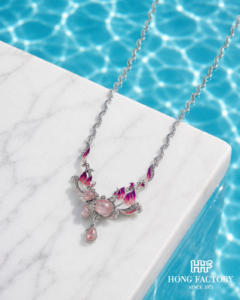
Sterling silver is commonly paired with gemstones because its cool, reflective color complements many shades and cuts.
Popular combinations include:
- Amethyst and sterling silver
- Turquoise and sterling silver
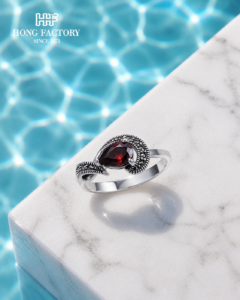
- Garnet and sterling silver
- Aquamarine and sterling silver
- Moonstone and sterling silver
- Sapphire and sterling silver
- Marcasite and sterling silver
The setting style, stone hardness, and intended use should all be considered. Rings and bracelets generally experience more impact than earrings or pendants, so gemstone security and setting quality are especially important for pieces worn on the hands.
What Makes Sterling Silver Jewelry Valuable?
The value of sterling silver jewelry depends on more than its silver content. Other factors may include:
- Weight of the silver
- Craftsmanship
- Design complexity
- Brand or maker
- Gemstone quality
- Age and rarity
- Condition
- Type of finish
- Historical or artistic significance
A lightweight, mass-produced piece and a carefully crafted artisan design may both be made from 925 silver but have very different values.
When comparing products, consider the complete piece rather than focusing only on the purity stamp.
Is Sterling Silver Good for Everyday Wear?
Sterling silver can be suitable for everyday wear when cared for properly. Simple earrings, pendants, chains, and bracelets are often easy to incorporate into daily outfits.
Rings may require more frequent cleaning because they come into contact with water, soap, cosmetics, surfaces, and hand oils. Jewelry with delicate stones or intricate details may also need additional care.
For everyday use, look for:
- Secure clasps
- Smooth edges
- Strong soldering
- Well-finished surfaces
- Properly set stones
- A comfortable fit
- A design suited to your routine
Removing jewelry during exercise, cleaning, swimming, and other high-contact activities can help extend its life.
Questions to Ask Before Buying
Before purchasing sterling silver jewelry, consider asking:
- Is the piece solid sterling silver or silver plated?
- Is it marked 925 or Sterling?
- Are the gemstones natural, synthetic, or imitation?
- Is the jewelry nickel-free?
- What care does the finish require?
- Is the item suitable for everyday wear?
- Does the seller provide a return policy?
- Are the stones securely set?
- Is the piece handmade or mass-produced?
- Does the price reflect the materials and craftsmanship?
Clear product information and transparent seller policies can help you avoid confusion and choose jewelry that matches your expectations.
Sterling silver 925 contains 92.5% pure silver and 7.5% strengthening alloy, creating a practical balance between beauty and durability. Its bright appearance, versatility, and compatibility with gemstones make it a popular choice for many types of jewelry.
Sterling silver can tarnish, but regular care and proper storage can help preserve its finish. When buying, look beyond the 925 stamp and consider the seller’s reputation, construction quality, gemstone details, comfort, and care requirements.
Whether you prefer a polished silver chain, a classic ring, gemstone earrings, or intricate marcasite jewelry, understanding sterling silver 925 can help you select pieces that are attractive, durable, and worth enjoying for years to come.



Jewelry Blog
Sterling Silver 925 Explained: What Jewelry Buyers Should Know
Sterling silver 925 is one of the most popular [...]
Sep
How to Choose Earrings for Your Face Shape
Choosing earrings that complement your face shape can make [...]
Sep
How to Choose Jewelry for Your Skin Tone
Choosing jewelry that complements your skin tone can make [...]
Sep
How to Choose the Perfect Ring for Your Finger Shape
Choosing the perfect ring is about more than finding [...]
Sep
Ring Size Guide: How to Measure and Convert Ring Sizes Internationally
Buying a ring should be an exciting experience, whether [...]
Aug
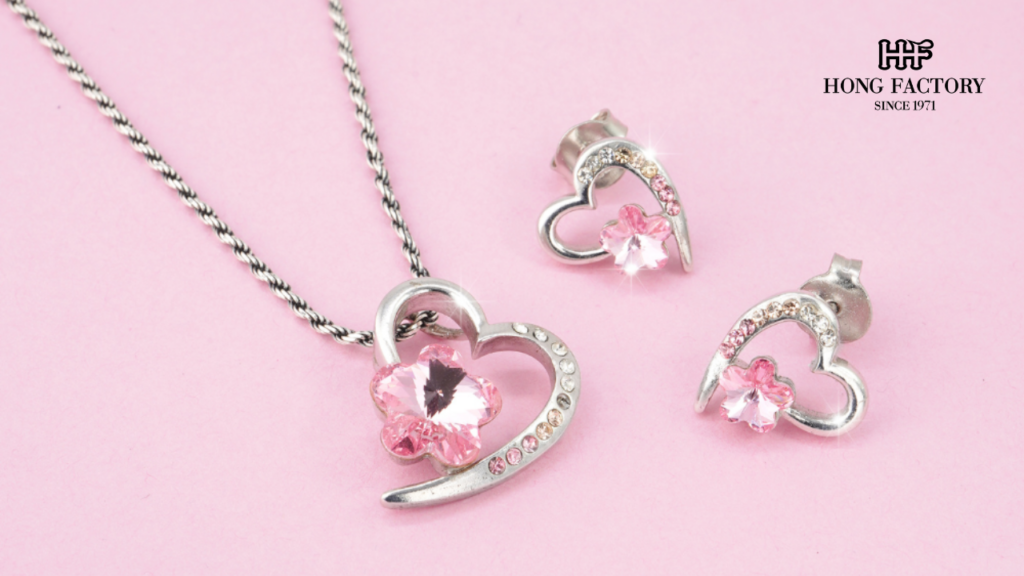
Opaque vs Transparent Gemstones: How to Choose the Right Stone for Each Jewelry Type
Choosing the perfect gemstone involves more than selecting your [...]
Aug
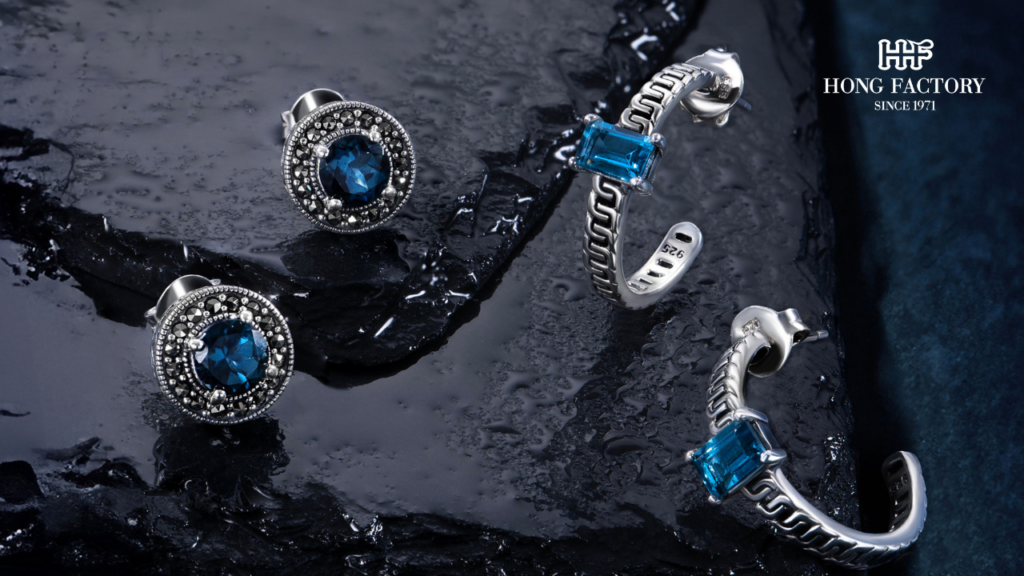
Hardness Scale for Gemstones: Mohs Scale Explained for Jewelry Designers
Choosing the perfect gemstone is about much more than [...]
Aug
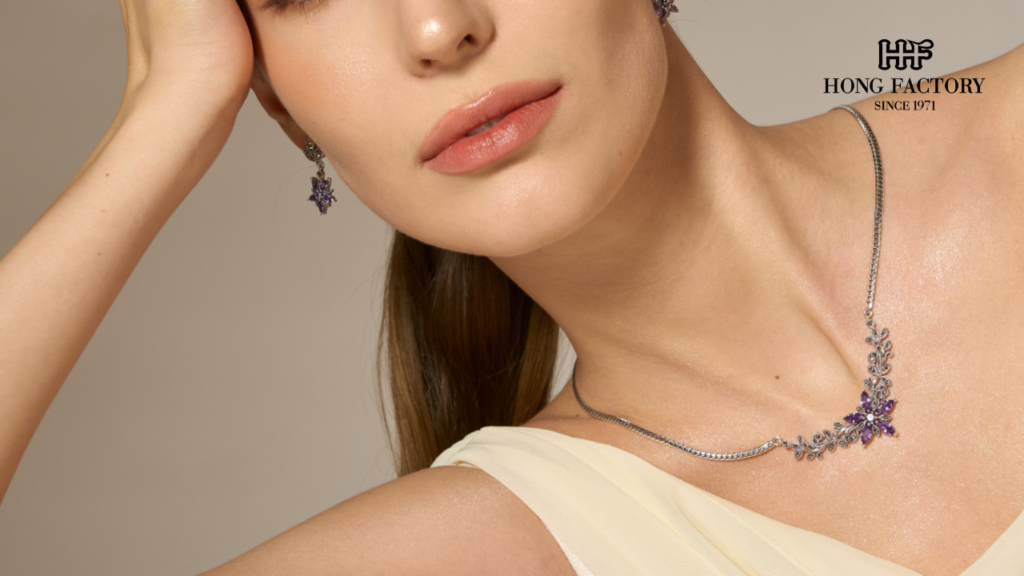
Natural vs Synthetic Gemstones: What Every Jewelry Buyer Needs to Know
When shopping for gemstone jewelry, one of the first [...]
Aug