
Sterling silver jewelry may look delicate and effortless, but every finished piece passes through a carefully controlled process involving design, metal preparation, forming, soldering, polishing, stone setting, quality inspection, and final packaging.
Understanding how sterling silver jewelry is made offers a closer look at the craftsmanship behind rings, earrings, pendants, bracelets, and other pieces. It also helps explain why details such as metal purity, surface finish, secure settings, and precise construction matter when choosing jewelry.
What Is Sterling Silver?
Sterling silver is a silver alloy containing 92.5% pure silver and 7.5% other metals, most commonly copper. Pure silver is relatively soft, so the additional metal improves strength, durability, and workability.
Sterling silver is commonly marked with:
- 925
- .925
- Sterling
- Sterling Silver
The alloy is suitable for many jewelry styles, including minimalist bands, gemstone rings, decorative earrings, pendants, bracelets, and vintage-inspired designs.
Step 1: Designing the Jewelry
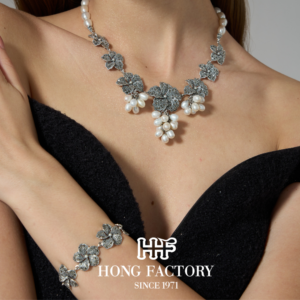
The manufacturing process begins with a design concept. Designers may sketch a piece by hand or create a detailed digital model using computer-aided design software.
At this stage, the factory determines:
- Overall shape and proportions
- Ring or bracelet dimensions
- Stone size and placement
- Metal thickness
- Clasp or closure design
- Surface texture
- Production method
- Expected weight
- Comfort and wearability
A good design must be attractive as well as practical. For example, a ring needs enough metal to withstand everyday wear, while an earring must remain light enough to be comfortable.
Step 2: Creating a Prototype or Master Model
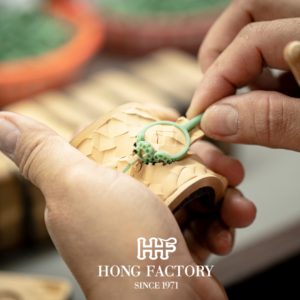
Once the design is approved, the factory creates a prototype or master model. This may be produced by hand, carved in wax, or printed using a 3D printer.
The prototype allows the manufacturer to check:
- Size and proportions
- Stone placement
- Band thickness
- Symmetry
- Comfort
- Structural strength
- Ease of production
Any necessary changes are made before the design moves into larger-scale manufacturing.
Step 3: Making the Mold
For many jewelry designs, the prototype is used to create a rubber or silicone mold. The mold captures the shape of the original model and allows the factory to produce multiple wax copies.
The mold is carefully cut so that the finished wax models can be removed without damaging delicate details.
Some jewelry is made without a traditional mold, especially when pieces are individually fabricated, hand-forged, or produced directly through advanced digital manufacturing methods.
Step 4: Producing Wax Models
Molten jewelry wax is injected into the mold to create wax versions of the design. These wax models are lightweight and detailed, allowing the factory to reproduce the same shape consistently.
Each wax model is inspected for:
- Missing details
- Air bubbles
- Uneven surfaces
- Distortion
- Incomplete edges
- Incorrect dimensions
Defective wax models are removed before casting.
Step 5: Building the Wax Tree
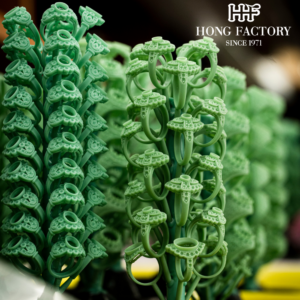
When several pieces are ready, the wax models may be attached to a central wax stem. This structure is often called a wax tree or casting tree.
The arrangement must allow molten silver to flow evenly into every piece. The factory considers the size, shape, and position of each item when building the tree.
Proper placement helps reduce:
- Incomplete castings
- Air pockets
- Uneven metal flow
- Surface defects
- Material waste
Step 6: Creating the Investment Mold
The wax tree is placed inside a metal flask and surrounded by a liquid investment material. Once the investment hardens, it forms a heat-resistant mold around the wax models.
The flask is then heated in a burnout kiln. The wax melts and drains away, leaving hollow spaces in the exact shape of the jewelry designs.
This process is commonly known as lost-wax casting.
Step 7: Melting and Casting the Sterling Silver
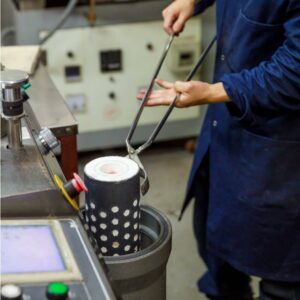
Sterling silver is measured according to the required weight and melted at a high temperature. The molten metal is then poured or injected into the heated investment mold.
During casting, the silver fills the spaces left by the wax models. After cooling, the investment material is broken away, revealing rough silver jewelry pieces attached to the casting tree.
At this stage, the pieces are not yet finished. They may have rough surfaces, casting marks, excess metal, and visible sprues where they were connected to the tree.
Step 8: Removing and Cleaning the Cast Pieces
The individual jewelry pieces are cut away from the casting tree using specialized tools. The remaining sprues and excess metal are filed or ground down.
The pieces may then be cleaned using methods such as:
- Tumbling
- Brushing
- Pickling
- Ultrasonic cleaning
- Sandblasting
- Manual filing
The goal is to remove investment residue and prepare the metal for detailed finishing.
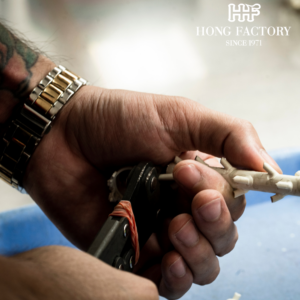
Step 9: Filing, Grinding, and Refining
Skilled workers refine each piece by hand or with precision tools. They smooth rough edges, correct small imperfections, and sharpen design details.
This stage is especially important for:
- Ring edges
- Earring backs
- Pendant surfaces
- Stone seats
- Clasp components
- Decorative patterns
- Marcasite or gemstone settings
The jewelry must be carefully shaped without removing too much metal or weakening the structure.
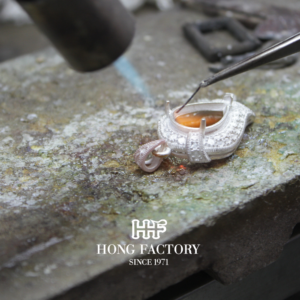
Step 10: Soldering and Assembly
Some jewelry pieces are made from multiple components that must be joined together. These may include chains, jump rings, bezels, prongs, hinges, clasps, decorative elements, and separate pendant sections.
Workers use soldering techniques to connect the components. The joints must be strong, clean, and properly aligned.
After soldering, the seams are filed and polished so they blend into the surrounding metal.
Step 11: Forming and Shaping
Not every sterling silver component is cast. Some parts are made from silver sheet, wire, or tubing and shaped by hand or machine.
Common forming techniques include:
- Cutting
- Bending
- Hammering
- Rolling
- Stamping
- Drawing
- Pressing
- Forging
These methods are often used for bands, hoops, chains, textured surfaces, and structural components.
Hand-forming can give a piece subtle variations and a more artisanal appearance.
Step 12: Preparing the Stone Settings
If the jewelry includes gemstones, the settings must be prepared before the stones are installed.
Common settings include:
- Prong settings
- Bezel settings
- Channel settings
- Pavé settings
- Halo settings
- Flush settings
- Tension-style settings
The setting must be accurately sized for the stone. If it is too loose, the gemstone may move or fall out. If it is too tight, the stone may be damaged during installation.
For delicate stones or jewelry intended for frequent wear, protective settings such as bezels or halos may provide additional security.
Step 13: Setting Gemstones and Marcasite
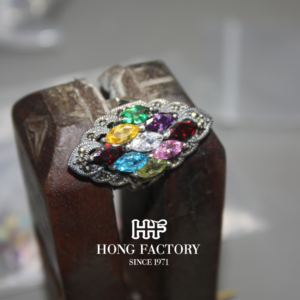
Gemstones are usually set after the main metalwork and initial polishing are complete. A setter places each stone into its prepared seat and secures it using prongs, bezels, channels, or other methods.
The setter checks:
- Stone alignment
- Even spacing
- Secure attachment
- Proper height
- Symmetry
- Surface condition
- Overall appearance
Small stones, including marcasite, require particular precision because they are often arranged in detailed patterns. The setting process must secure each stone without cracking or chipping it.
Step 14: Polishing the Jewelry
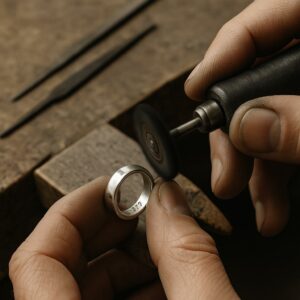
Polishing gives sterling silver its smooth, reflective surface. Factories may use several stages of polishing, beginning with coarser abrasives and progressing to finer compounds.
Polishing may include:
- Pre-polishing
- Detail polishing
- High polishing
- Hand polishing
- Edge refinement
- Final buffing
Workers must take care around gemstones, prongs, engraved details, and textured surfaces. Excessive polishing can soften sharp design elements or reduce the definition of decorative patterns.
Step 15: Creating Special Finishes
Sterling silver can be finished in many different ways depending on the desired appearance.
Common finishes include:
- High polish
- Satin
- Matte
- Brushed
- Hammered
- Oxidized
- Antiqued
- Textured
- Rhodium plated
- Gold plated
An oxidized or antiqued finish darkens selected areas to emphasize depth and detail. This effect is often used in vintage-inspired jewelry and intricate marcasite designs.
Some pieces may receive plating to improve color, brightness, or resistance to tarnishing. Any plating can gradually wear with use and may require professional renewal.
Step 16: Cleaning and Final Surface Treatment
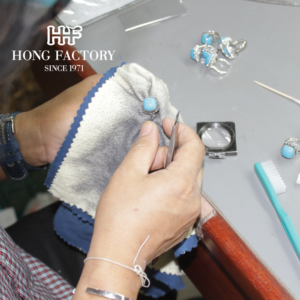
After polishing and finishing, the jewelry is thoroughly cleaned to remove polishing compounds, oils, dust, and residue.
Cleaning methods may include:
- Steam cleaning
- Ultrasonic cleaning
- Soft brushing
- Rinsing
- Drying with lint-free cloths
The appropriate method depends on the design and materials. Jewelry containing fragile gemstones, fractures, glued components, or delicate settings may require gentler treatment.
Step 17: Quality Inspection
Every finished piece should undergo a quality inspection before leaving the factory.
Inspectors may check:
- Sterling silver markings
- Metal weight
- Dimensions
- Surface finish
- Solder joints
- Stone security
- Prong alignment
- Clasp function
- Symmetry
- Sharp edges
- Scratches or dents
- Overall appearance
Pieces that do not meet the required standard may be returned for repair, refinishing, or remanufacturing.
Step 18: Applying Hallmarks and Product Information
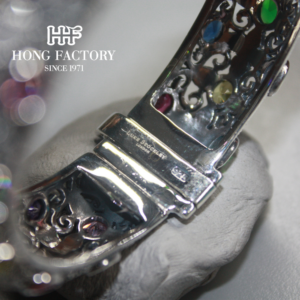
Depending on the market and local regulations, sterling silver jewelry may be stamped with a purity mark such as 925.
Additional marks may identify:
- The manufacturer
- The designer
- The country of origin
- The collection
- The metal finish
These marks are usually applied using a stamp, laser engraving, or another precision method.
Step 19: Packaging and Shipment
Once the jewelry passes inspection, it is prepared for packaging. The piece may be placed in a protective pouch, jewelry box, or branded presentation package.
Before shipment, the factory may verify:
- Product quantity
- Style number
- Size
- Stone type
- Metal marking
- Packaging materials
- Order details
Careful packaging helps prevent scratches, tangling, tarnishing, and damage during transportation.
Handmade Versus Factory-Made Sterling Silver Jewelry
Factory-made jewelry is often produced using molds, casting equipment, polishing machines, and standardized quality-control procedures. This allows manufacturers to create consistent designs efficiently.
Handmade jewelry may involve more individual shaping, soldering, texturing, and finishing. It can display subtle variations that reflect the maker’s technique.
Neither method is automatically better. The quality of a piece depends on the materials, design, craftsmanship, finishing, and inspection standards used during production.
Common Manufacturing Challenges
Sterling silver jewelry production requires precision because small defects can affect both appearance and durability.
Common challenges include:
- Porosity in cast metal
- Uneven surfaces
- Weak solder joints
- Misaligned stones
- Loose prongs
- Incomplete casting
- Excessive polishing
- Tarnish or contamination
- Distorted components
- Inconsistent sizing
Experienced workers and reliable equipment help reduce these problems, but careful inspection remains essential.
How to Recognize Well-Made Sterling Silver Jewelry
When examining a finished piece, look for:
- A clear 925 or sterling mark
- Smooth, even surfaces
- Secure gemstones
- Properly aligned settings
- Clean solder joints
- Comfortable edges
- Functional clasps
- Consistent finishing
- Appropriate weight
- A reputable seller
A well-made piece should feel balanced and comfortable. Stones should not move when gently checked, and there should be no sharp edges, visible gaps, or rough unfinished areas.
How to Care for Sterling Silver Jewelry
- Store sterling silver separately in a dry place.
- Use an anti-tarnish pouch or cloth.
- Remove jewelry before swimming, showering, exercising, or cleaning.
- Avoid contact with perfumes, lotions, chlorine, and household chemicals.
- Clean with a soft polishing cloth when appropriate.
- Use mild soap and lukewarm water for suitable pieces.
- Dry jewelry thoroughly before storage.
- Have gemstone settings and clasps inspected regularly.
Jewelry with fragile stones, intricate settings, oxidized finishes, or plated surfaces may require specialized care. Ask a qualified jeweler before using ultrasonic cleaners, steam cleaners, or strong polishing products.
Sterling silver jewelry is made through a combination of design, engineering, skilled handwork, specialized equipment, and careful quality control. From the first sketch to the final inspection, each stage contributes to the appearance, comfort, strength, and longevity of the finished piece.
Whether a design is cast in large quantities or completed by hand, high-quality sterling silver jewelry depends on accurate construction, secure settings, thoughtful finishing, and reliable materials. Understanding the manufacturing process makes it easier to appreciate the craftsmanship behind every ring, pendant, earring, bracelet, and decorative silver piece.



Jewelry Blog
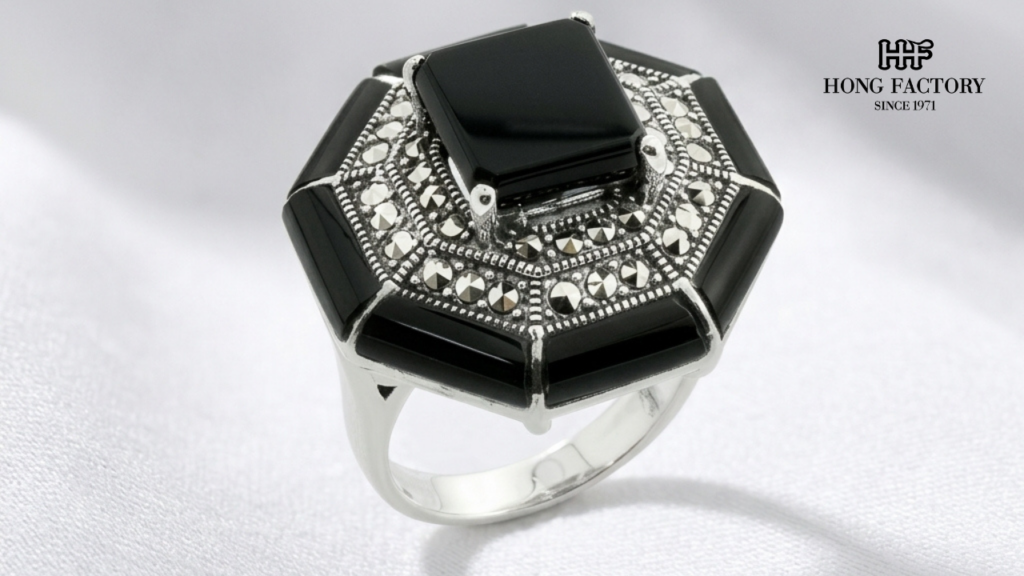
Why Rhodium Plating Is Used on Sterling Silver Jewelry
Rhodium plating is applied to sterling silver jewelry to [...]
Sep
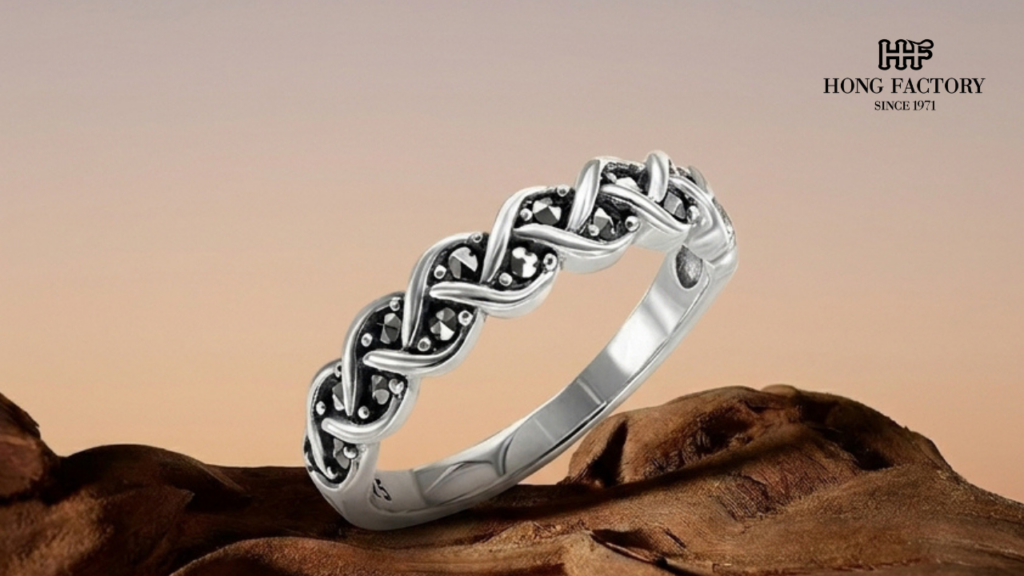
Why Sterling Silver 925 Is Popular for Jewelry Manufacturing
Sterling silver 925 is one of the most widely [...]
Sep
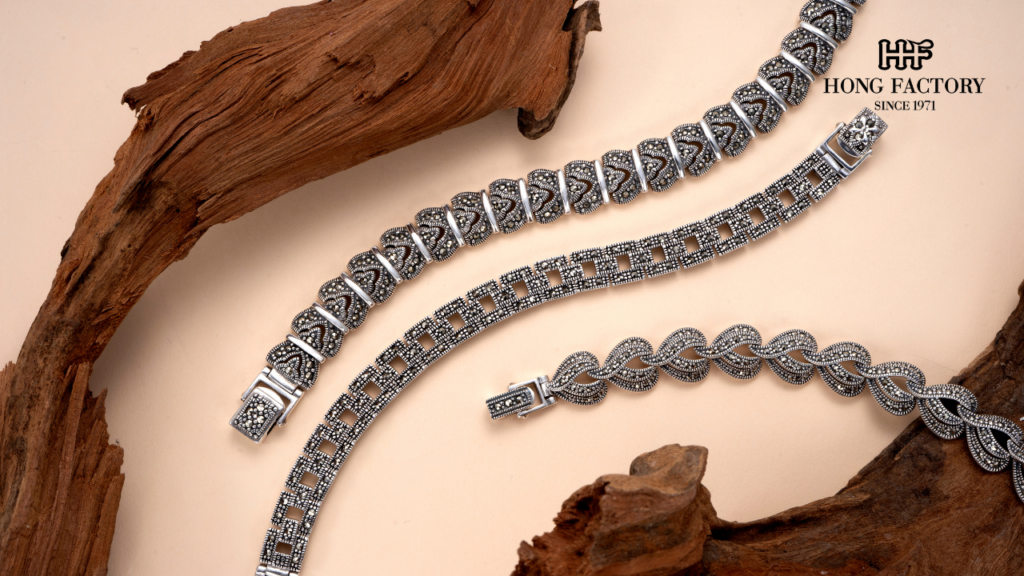
Inside a Jewelry Factory: How Sterling Silver Jewelry Is Made
Sterling silver jewelry may look delicate and effortless, but [...]
Sep
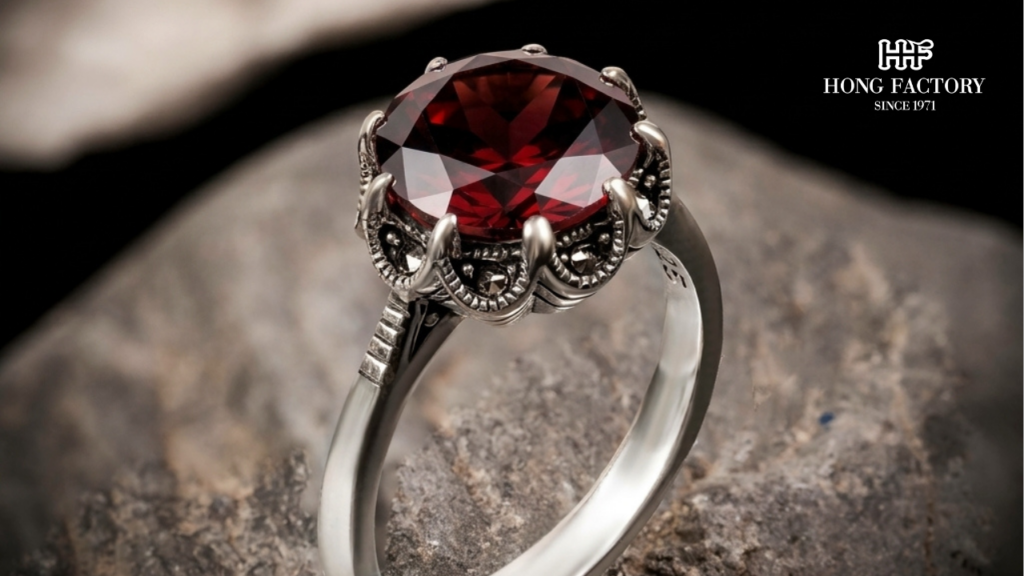
Garnet Gemstone: Meaning, Colors and Jewelry Guide
Garnet is a popular gemstone family known for its [...]
Sep
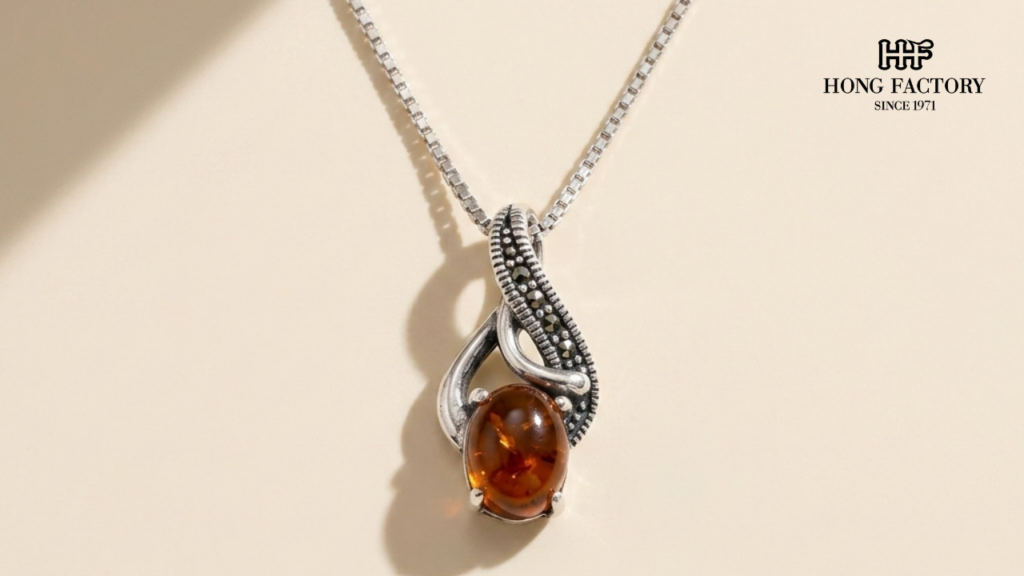
Citrine Gemstone: Meaning, Color and Jewelry Guide
Citrine is a popular gemstone known for its warm [...]
Sep
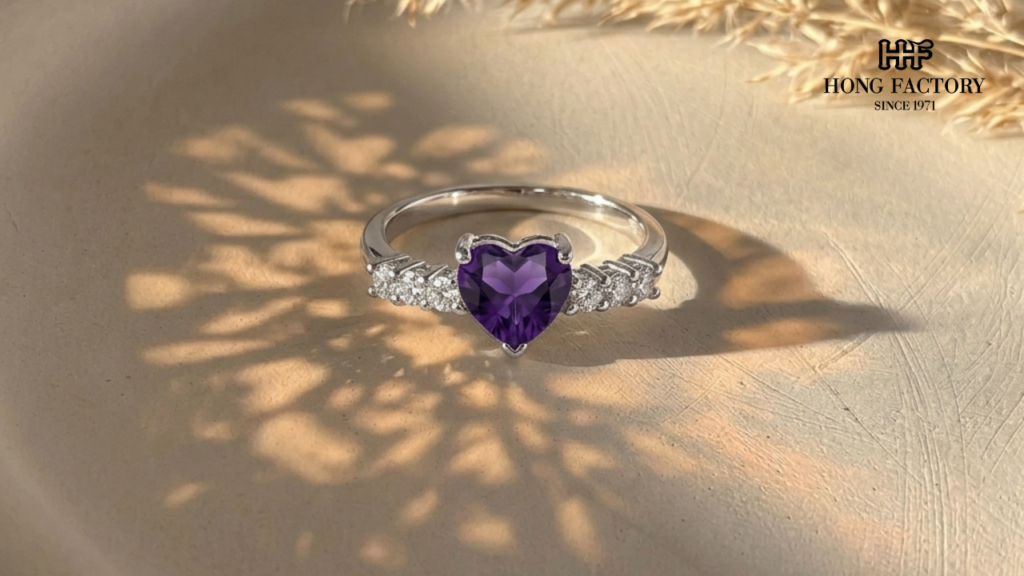
Amethyst Gemstone: Meaning, Color and Jewelry Guide
Amethyst is a popular gemstone known for its beautiful [...]
Sep
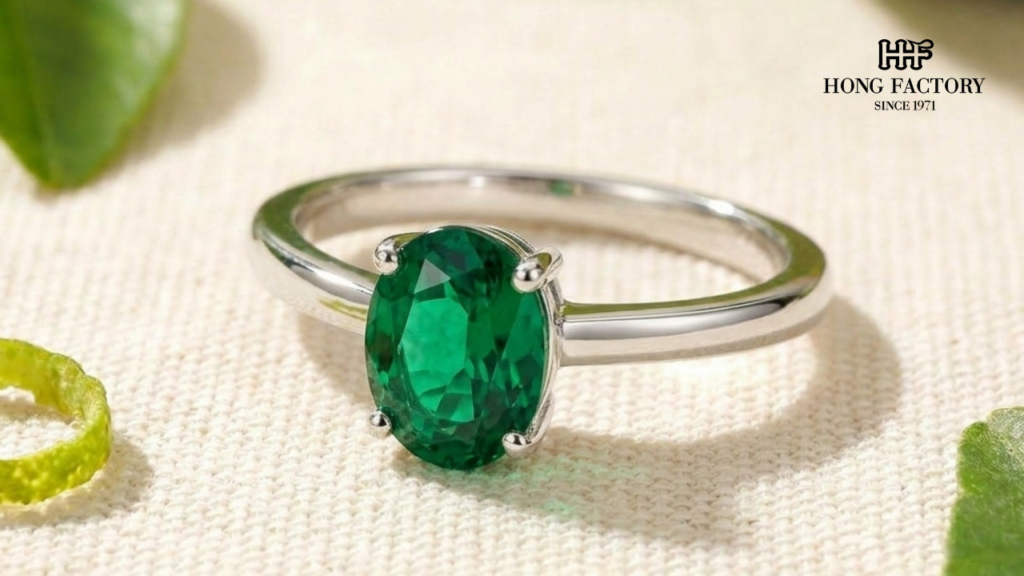
Emerald Gemstone: Meaning, Color and Jewelry Guide
Emerald is a popular gemstone known for its rich [...]
Sep
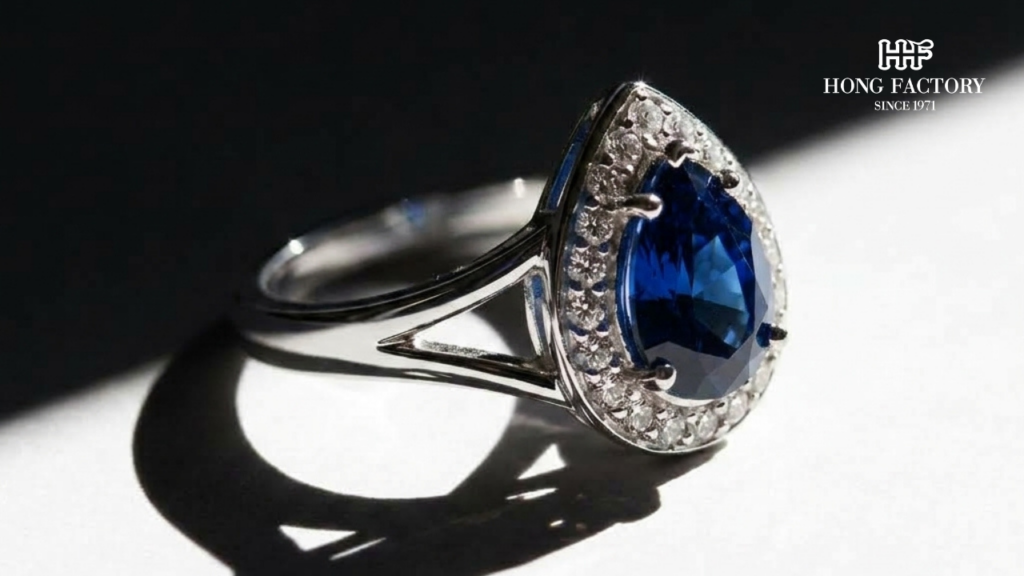
Sapphire Gemstone: Meaning, Colors and Jewelry Guide
Sapphire is a popular gemstone known for its beauty, [...]
Sep