
Introduction
Creating a unique jewelry collection is an exciting opportunity for jewelry brands, retailers, and wholesalers. While ready-made designs offer convenience, custom jewelry allows businesses to develop products that reflect their brand identity, target audience, and market trends.
Sterling silver is one of the most popular materials for custom jewelry because of its attractive appearance, versatility, and suitability for many different designs. From simple everyday rings to detailed gemstone necklaces, silver can be shaped into a wide range of styles.
However, turning an idea into a finished jewelry product requires careful planning, technical knowledge, and cooperation with an experienced manufacturer. Understanding the production process can help businesses make better decisions and achieve the results they want.
This guide explains the key stages of Custom Silver Jewelry Manufacturing, from the first design concept to the final finished product.
1. Understanding Custom Silver Jewelry Manufacturing
Custom Silver Jewelry Manufacturing is the process of creating jewelry based on a customer’s specific design, requirements, or brand concept rather than selecting products from an existing collection.
It gives jewelry businesses greater control over the appearance, materials, details, and overall style of their products.
For example, a jewelry brand may want to create:
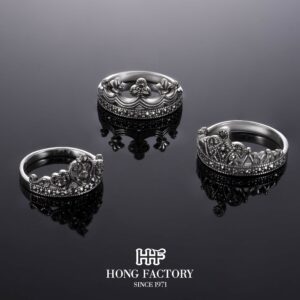
- Sterling silver rings with unique gemstone settings.
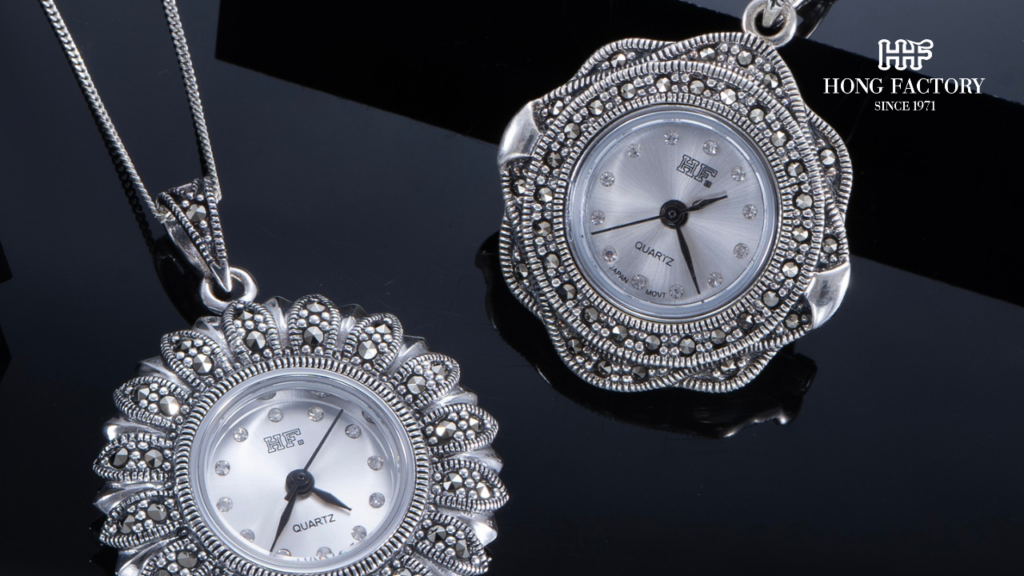
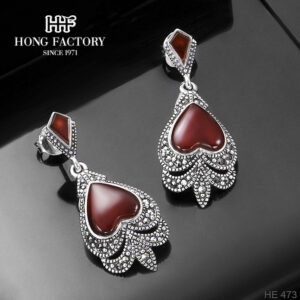
- Marcasite earrings inspired by vintage designs.
- Minimalist silver necklaces with personalized pendants.
- Bracelets featuring special patterns or decorative details.
- Jewelry collections designed around a particular theme.
Custom production is especially useful for businesses that want to stand out in a competitive market. Instead of selling the same designs as other retailers, brands can offer products that customers recognize as their own.
2. Turning Design Ideas into Jewelry Concepts
Every custom jewelry project begins with an idea. It may come from a fashion trend, a customer request, a sketch, or an existing product that inspires a new design.
Before production starts, it is important to develop the concept clearly.
Start by considering the following questions:
- What type of jewelry do you want to create?
- Who is your target customer?
- What style should the collection represent?
- Which gemstones or decorative elements will be used?
- What is your expected selling price?
- Will the design be suitable for everyday wear or special occasions?
Reference images, hand-drawn sketches, and digital illustrations can help communicate the design more effectively.
The more detailed the initial concept, the easier it is for the manufacturer to understand your expectations and suggest suitable production methods.
3. Choosing the Right Silver and Materials
Material selection plays an important role in the quality, appearance, and durability of custom jewelry.
One of the most widely used materials is 925 sterling silver, which contains 92.5% pure silver and 7.5% other metals, commonly copper. This combination helps improve strength while maintaining the beauty of silver.
Depending on the design, additional materials may include:
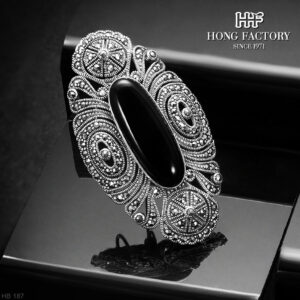
Marcasite: Small faceted stones commonly used in vintage-inspired jewelry. Their metallic sparkle creates an elegant and distinctive appearance.
Cubic Zirconia (CZ): A popular diamond alternative that offers bright sparkle in different shapes and sizes.
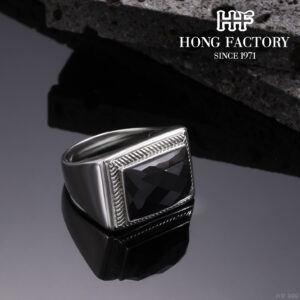
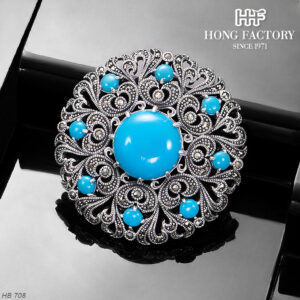
Natural Gemstones: Stones such as amethyst, garnet, turquoise, and labradorite can add color and character to a jewelry collection.
Mother-of-Pearl: A decorative material known for its soft, natural shine.
The choice of materials should match the design concept, target market, and expected product quality. An experienced manufacturer can help recommend suitable combinations.
4. Developing the Design and Technical Details
After the concept and materials have been selected, the next step is to develop the design into a production-ready specification.
This stage may involve detailed drawings, measurements, stone sizes, setting types, thickness, and other technical information.
For more complex projects, manufacturers may use computer-aided design (CAD) to create a digital model of the jewelry.
A CAD model helps both the customer and manufacturer review important details before production begins. It can also help identify potential design problems, such as insufficient space for gemstones or parts that may be difficult to assemble.
During this stage, customers should review the design carefully and confirm important details before moving forward.
Clear communication at this point can reduce misunderstandings and help prevent unnecessary changes later.
5. Creating Samples and Reviewing the Design
Before producing a large quantity, creating a sample is an important step in many custom jewelry projects.
A sample allows the customer to evaluate how the design looks and feels as a physical product.
During the sample review, consider:
- Overall appearance and proportions.
- Silver weight and thickness.
- Comfort and wearability.
- Gemstone color, size, and placement.
- Clasp, setting, and fastening details.
- Surface finishing and polishing quality.
If adjustments are needed, they can be discussed with the manufacturer before mass production.
For jewelry brands, sampling is particularly valuable because it provides an opportunity to check whether the finished design matches the original brand concept.
6. The Jewelry Production Process
Once the sample and specifications are approved, the manufacturer can begin production.
The exact manufacturing methods depend on the jewelry design, materials, and required quantities. However, the general production process may include several stages.
Metal Preparation: Sterling silver is prepared for the selected manufacturing method.
Forming and Shaping: The silver is shaped into the required components using suitable techniques, such as casting or fabrication.
Assembly: Individual components are joined together. Settings, clasps, chains, and decorative elements are added as needed.
Stone Setting: Gemstones, marcasite, or other decorative stones are carefully placed and secured.
Polishing and Finishing: The jewelry surface is polished and finished to achieve the desired appearance. Additional treatments, such as rhodium plating, may be used when specified.
Each stage requires attention to detail to ensure the jewelry meets the agreed design and quality requirements.
7. Quality Control Before Delivery
Quality control is an essential part of Custom Silver Jewelry Manufacturing. It helps ensure that finished products meet the customer’s expectations and are suitable for sale.
A reliable manufacturer should inspect important details throughout production and before shipment.
Common quality checks include:
- Silver material and 925 marking, where applicable.
- Overall dimensions and weight.
- Stone security and alignment.
- Surface finish and polishing.
- Clasp and fastening functionality.
- Design consistency across the production batch.
For businesses ordering multiple pieces, consistency is especially important. Customers expect each item in the same collection to maintain a similar appearance and standard of quality.
Clear quality requirements should be agreed upon before production begins.
8. Why Work with an Experienced Silver Jewelry Manufacturer?
Choosing the right manufacturing partner can make a significant difference to the success of a custom jewelry project.
An experienced manufacturer can provide technical guidance, recommend suitable materials, identify design challenges, and support the production process from beginning to end.
When evaluating a potential supplier, consider:
Manufacturing Experience: Look for a factory with relevant experience in sterling silver jewelry and the styles you want to produce.
Design Capabilities: Check whether the manufacturer can work with sketches, reference images, CAD designs, or custom specifications.
Material Knowledge: A good supplier should understand 925 sterling silver, gemstones, marcasite, and different finishing techniques.
Communication: Clear and timely communication helps keep the project organized and reduces production misunderstandings.
Quality Standards: Ask about material verification, inspection procedures, and quality control before placing an order.
Building a long-term relationship with a reliable factory can help your business develop new collections more efficiently.
9. Benefits of Custom Jewelry for Your Brand
Custom Silver Jewelry Manufacturing offers several advantages for businesses looking to develop their own product collections.
Unique Brand Identity: Original designs help customers recognize your brand and distinguish your products from competitors.
Greater Design Flexibility: You can select the shapes, materials, gemstones, and decorative details that best suit your collection.
Better Market Positioning: Exclusive designs can help your business target specific customer groups and create a more recognizable market position.
Collection Development: Custom production allows you to create coordinated rings, earrings, necklaces, and bracelets with a consistent theme.
Long-Term Business Opportunities: Working with a manufacturer on new designs can support product development as your business grows.
Although custom production requires planning and communication, it can be a valuable investment for brands that want to build a distinctive jewelry collection.
10. Custom Silver Jewelry Manufacturing at Hong Factory
Hong Factory is a Thailand-based manufacturer specializing in sterling silver and marcasite jewelry. With more than 50 years of experience, the factory supports jewelry businesses looking for quality silver jewelry and manufacturing solutions.
For brands, wholesalers, and retailers interested in developing their own collections, Hong Factory offers experience in a variety of jewelry styles, including rings, earrings, necklaces, bracelets, and other silver jewelry designs.
The factory works with 925 sterling silver and decorative materials such as marcasite and gemstones to create different styles, from classic vintage-inspired pieces to contemporary designs.
Whether you are developing a new jewelry collection or looking for a manufacturing partner for your existing business, choosing a factory with relevant production experience can help turn your ideas into finished products.
If you are planning a new project, share your design references, preferred materials, and product requirements with the Hong Factory team to discuss suitable manufacturing options.
Conclusion
Developing a successful custom jewelry collection involves more than having an attractive design. It requires careful planning, appropriate material selection, technical development, sample approval, production, and quality control.
By understanding each stage of Custom Silver Jewelry Manufacturing, jewelry brands and wholesalers can communicate more effectively with manufacturers and make informed decisions throughout the project.
With the right manufacturing partner, an initial idea can become a beautiful finished product that reflects your brand identity and meets your customers’ expectations.
If you are ready to develop your own sterling silver jewelry collection, Hong Factory can help you explore manufacturing possibilities and bring your design ideas to life.