
Buying Sterling Silver jewelry is an investment in quality, craftsmanship, and timeless style. However, with countless silver-colored products on the market, distinguishing genuine sterling silver from plated or counterfeit alternatives can be challenging. One of the most reliable ways to verify authenticity is by examining the hallmarks and stamps found on the jewelry.
Hallmarks serve as official indicators of a jewelry piece’s metal purity, manufacturer, or country of origin. For consumers, they provide confidence that the jewelry contains genuine precious metal. For jewelry retailers and wholesalers, understanding these markings is essential for maintaining credibility and ensuring customers receive authentic products.
In this guide, you’ll learn what hallmarks are, how to identify authentic Sterling Silver, the meaning behind common stamps, and how to avoid counterfeit products.
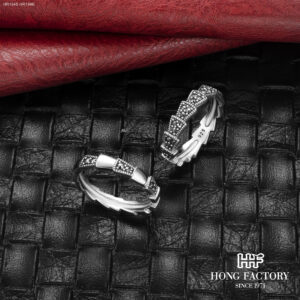
What Is Sterling Silver?
Sterling Silver is a precious metal alloy made from 92.5% pure silver and 7.5% other metals, usually copper. The additional metals increase the strength and durability of silver, making it suitable for everyday jewelry.
Pure silver (99.9%) is naturally soft and prone to scratches or bending. By combining it with a small percentage of alloy metals, manufacturers create jewelry that maintains silver’s brilliant appearance while offering greater durability.
Because of its balance of beauty and strength, Sterling Silver has become the international standard for fine silver jewelry.
What Are Hallmarks?
A hallmark is an official mark stamped onto precious metal jewelry to certify its authenticity and metal purity.
Hallmarks have been used for centuries as a form of consumer protection. Many countries require precious metal products to be tested and marked according to national standards before they can be sold.
Depending on the country, hallmarks may indicate:
- Silver purity
- Manufacturer or maker
- Assay office
- Country of origin
- Year of certification
For buyers, hallmarks provide valuable information about the jewelry’s authenticity and quality.
Why Hallmarks Matter
Hallmarks play an important role in the jewelry industry because they help distinguish genuine Sterling Silver from silver-plated or imitation products.
Without hallmarks, customers would have little assurance that a piece actually contains precious silver.
For jewelry retailers, displaying products with proper hallmarks helps build customer trust and reinforces a reputation for selling authentic jewelry.
Common Sterling Silver Hallmarks
Several stamps are commonly found on genuine Sterling Silver jewelry.
925
The most recognized hallmark is 925.
This number indicates that the jewelry contains:
- 92.5% pure silver
- 7.5% alloy metals
It is the international standard for sterling silver.
S925
Some manufacturers stamp jewelry as S925, where “S” simply stands for silver.
This marking has the same meaning as 925.
Sterling
Some jewelry uses the word Sterling instead of numbers.
This indicates that the jewelry meets sterling silver standards.
Sterling Silver
Some premium manufacturers stamp the complete phrase Sterling Silver on larger jewelry pieces where space allows.
.925
The marking .925 is another accepted international format.
The decimal simply represents the silver percentage.
Where Can You Find Hallmarks?
The location of the hallmark depends on the type of jewelry.
Rings
Hallmarks are typically stamped inside the band.
Necklaces
Look near the clasp or on the small tag attached to the chain.
Bracelets
Most bracelets have stamps near the clasp or on an end link.
Earrings
Hallmarks may appear on the earring post, butterfly backing, or the inside of larger designs.
Because jewelry is often small, the markings may require a magnifying glass to read clearly.
International Hallmark Standards
Different countries have their own hallmarking systems, although the purity standard for Sterling Silver remains largely the same.
United Kingdom
The UK has one of the world’s oldest hallmarking systems.
A complete British hallmark may include:
- Purity mark
- Assay office mark
- Maker’s mark
- Traditional lion passant symbol
British hallmarking is regulated by independent assay offices that verify precious metal content.
United States
In the United States, manufacturers commonly use:
- Sterling
- Sterling Silver
- 925
- S925
While federal regulations prohibit misleading precious metal claims, hallmarking is generally less centralized than in the UK.
European Union
Most European countries use numerical purity marks such as:
- 800
- 835
- 900
- 925
- 950
These numbers represent the percentage of pure silver contained within the alloy.
Thailand
Thailand is internationally recognized for producing high-quality Sterling Silver jewelry.
Many reputable Thai manufacturers stamp their jewelry with:
- 925
- Sterling
- Manufacturer’s trademark
Thailand has become one of the world’s leading exporters of handcrafted sterling silver jewelry.
Can Hallmarks Be Fake?
Yes.
Unfortunately, counterfeit jewelry sometimes includes fake 925 stamps to deceive buyers.
A hallmark alone does not guarantee authenticity.
For this reason, buyers should always consider additional factors, including:
- Seller reputation
- Product quality
- Price
- Material certifications
- Brand credibility
Purchasing from established manufacturers or authorized retailers significantly reduces the risk of counterfeit products.
Other Ways to Verify Sterling Silver
Although hallmarks are the easiest method, several additional techniques can help confirm authenticity.
Magnet Test
Silver is not magnetic.
If jewelry strongly sticks to a magnet, it is unlikely to be genuine Sterling Silver.
However, this test should not be considered definitive because some non-silver metals are also non-magnetic.
Weight
Genuine sterling silver usually feels heavier than aluminum or other inexpensive metals.
The substantial weight often reflects higher-quality materials.
Tarnish Test
Unlike stainless steel, Sterling Silver naturally tarnishes over time due to oxidation.
This is completely normal and can be removed using a silver polishing cloth.
The ability to polish away tarnish is actually one sign of genuine sterling silver.
Professional Testing
Jewelry professionals may use specialized equipment such as:
- X-ray fluorescence (XRF)
- Acid testing
- Electronic metal analyzers
These methods provide accurate confirmation of precious metal content without relying solely on visual inspection.
Why Reputable Manufacturers Matter
Even with hallmarks, buying from trusted manufacturers remains the best way to ensure authenticity.
Reliable sterling silver manufacturers typically provide:
Consistent Quality Control
Every production stage is carefully inspected to ensure purity and craftsmanship.
Proper Hallmarking
Authentic jewelry is accurately stamped according to international standards.
Material Transparency
Professional manufacturers openly disclose the metal composition used in every product.
Export Experience
Manufacturers serving international markets generally comply with stricter quality requirements, giving retailers greater confidence in their purchases.
Caring for Hallmarked Sterling Silver
Hallmarks are permanent and should remain visible throughout the life of the jewelry.
To preserve both the jewelry and its markings:
Store Properly
Keep jewelry in dry, airtight containers or anti-tarnish pouches.
Avoid Harsh Chemicals
Remove jewelry before swimming, cleaning, or applying perfumes and cosmetics.
Clean Gently
Use only a soft silver polishing cloth or jewelry cleaning solution designed specifically for sterling silver.
Avoid abrasive materials that could scratch the surface around the hallmark.
Frequently Asked Questions
Is a 925 stamp enough to prove Sterling Silver?
No. While a 925 stamp is an important indicator, counterfeit products may also display fake markings. Always buy from reputable sellers and evaluate overall product quality.
Does Sterling Silver always have a hallmark?
Most genuine Sterling Silver jewelry is hallmarked. However, extremely small items may not have sufficient space for a stamp.
Why does Sterling Silver tarnish?
Tarnish is a natural reaction between silver and sulfur compounds in the air. It does not indicate poor quality and can be easily removed with proper cleaning.
Can Sterling Silver be replated?
Yes. Some sterling silver jewelry is coated with rhodium to enhance brightness and reduce tarnish. The underlying metal remains genuine Sterling Silver.
Understanding hallmarks and stamps is one of the easiest and most reliable ways to verify authentic Sterling Silver jewelry. While markings such as 925, S925, and Sterling provide valuable information about metal purity, they should always be considered alongside the reputation of the manufacturer or retailer.
By learning how to identify genuine hallmarks, recognize international standards, and understand the characteristics of sterling silver, buyers can shop with confidence and avoid counterfeit products. Whether you’re a consumer investing in a timeless piece or a jewelry retailer building trust with your customers, knowledge of Sterling Silver hallmarks is an essential part of making informed purchasing decisions.



Jewelry Blog
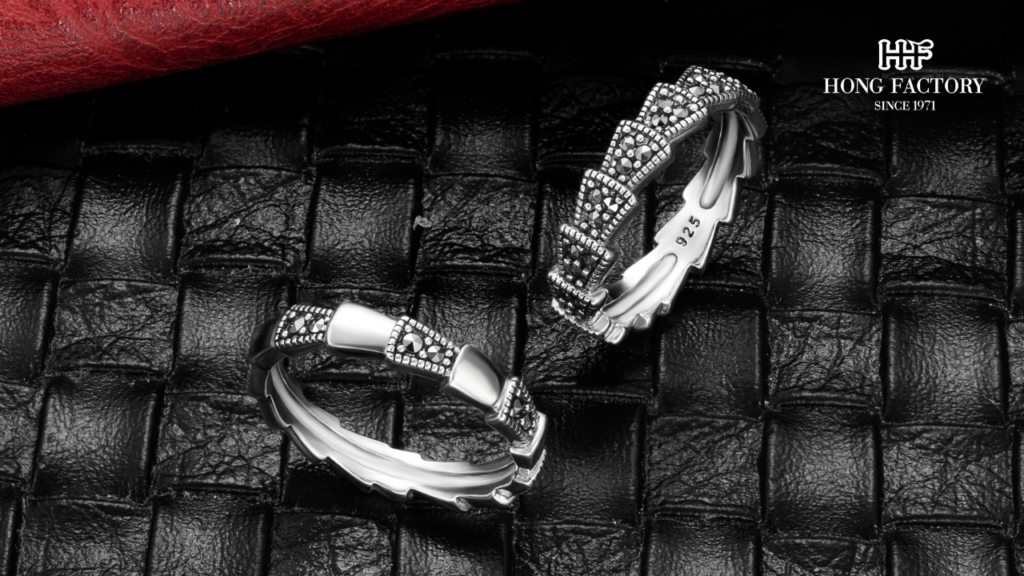
Hallmarks and Stamps: How to Verify Authentic Sterling Silver
Buying Sterling Silver jewelry is an investment in quality, [...]
Jul
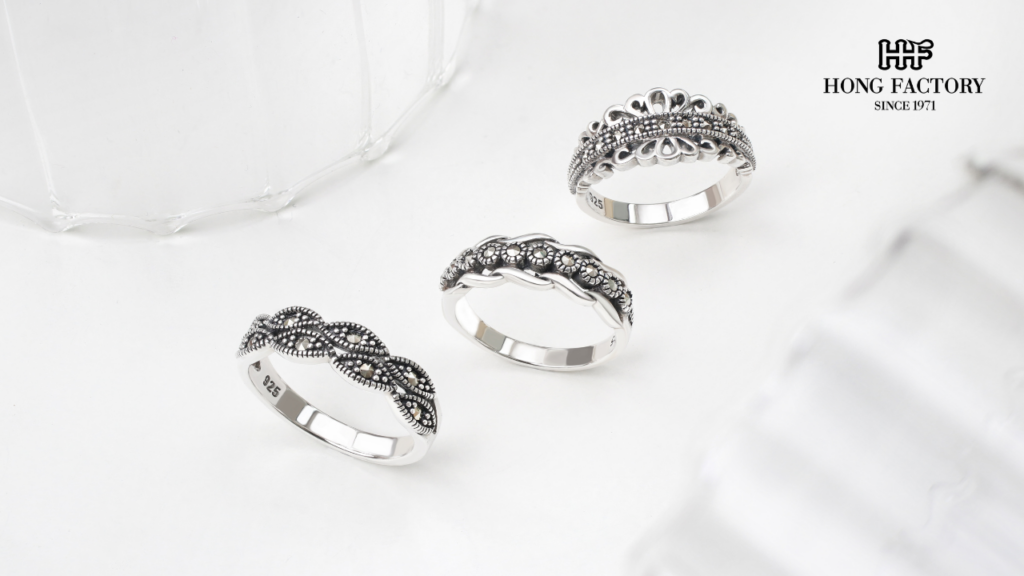
Sterling Silver 925 vs Silver Plated: How to Spot the Difference
If you’ve ever shopped for silver jewelry, you’ve probably [...]
Jul
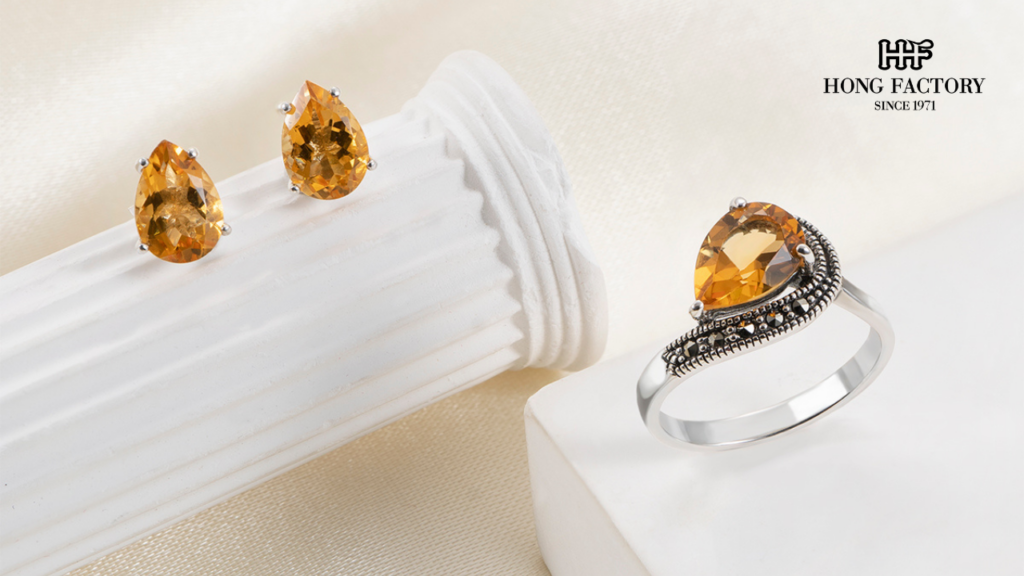
What Is Marcasite? The Complete Guide for Jewelry Retailers
Marcasite jewelry has remained a timeless favorite for decades, [...]
Jul
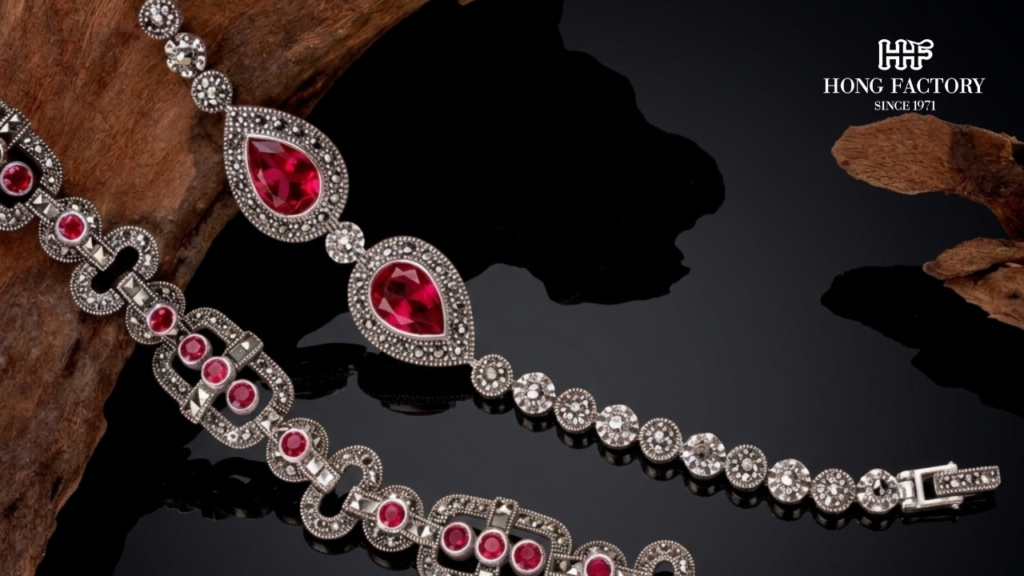
Red Hot: Why Ruby-Toned Jewelry Is Trending This Summer
This summer, bold color is taking center stage—and nothing [...]
Jul
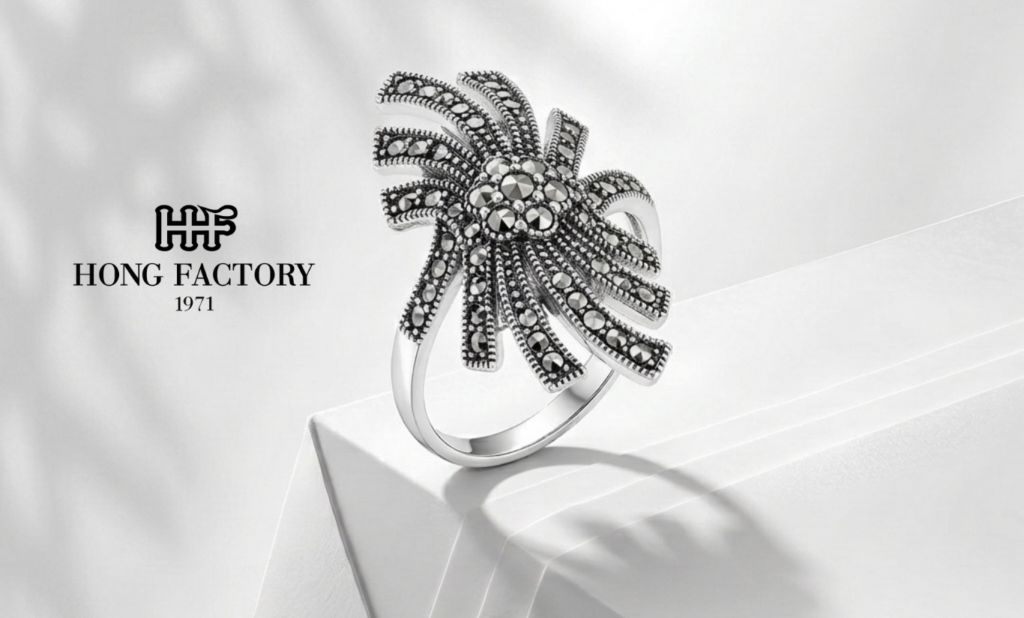
How Marcasite Stones Are Hand-Set into Sterling Silver
The art of setting Marcasite Stones into sterling silver [...]
Jul
OEM vs ODM: Which Jewelry Manufacturing Model Fits Your Brand?
In today’s competitive global market, choosing the right Jewelry [...]
Jul
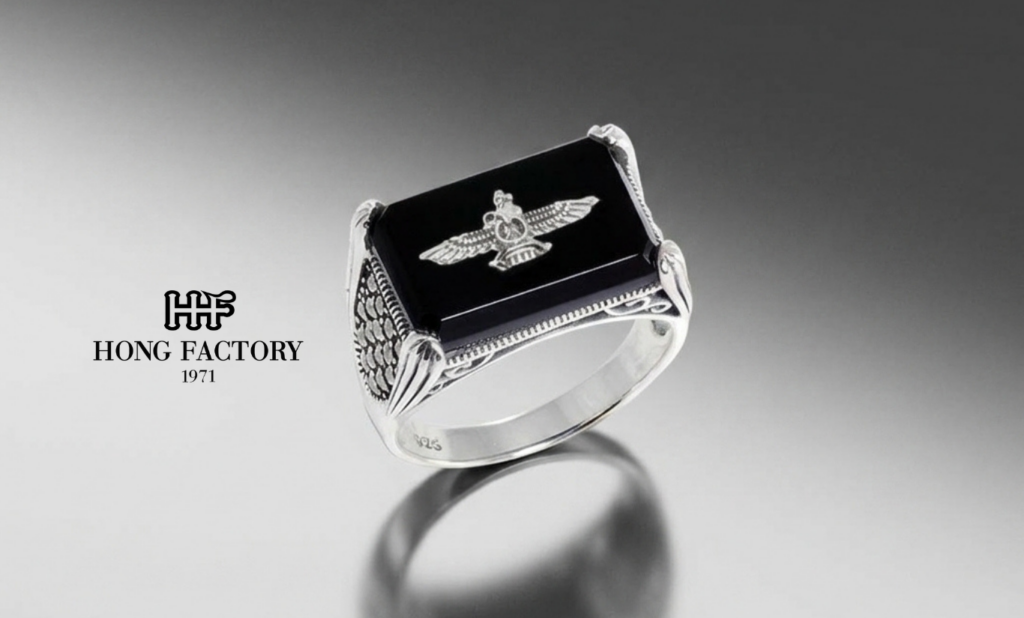
Men’s Silver Jewelry Line: An Untapped Wholesale Opportunity
In today’s evolving fashion landscape, men’s accessories are no [...]
Jul
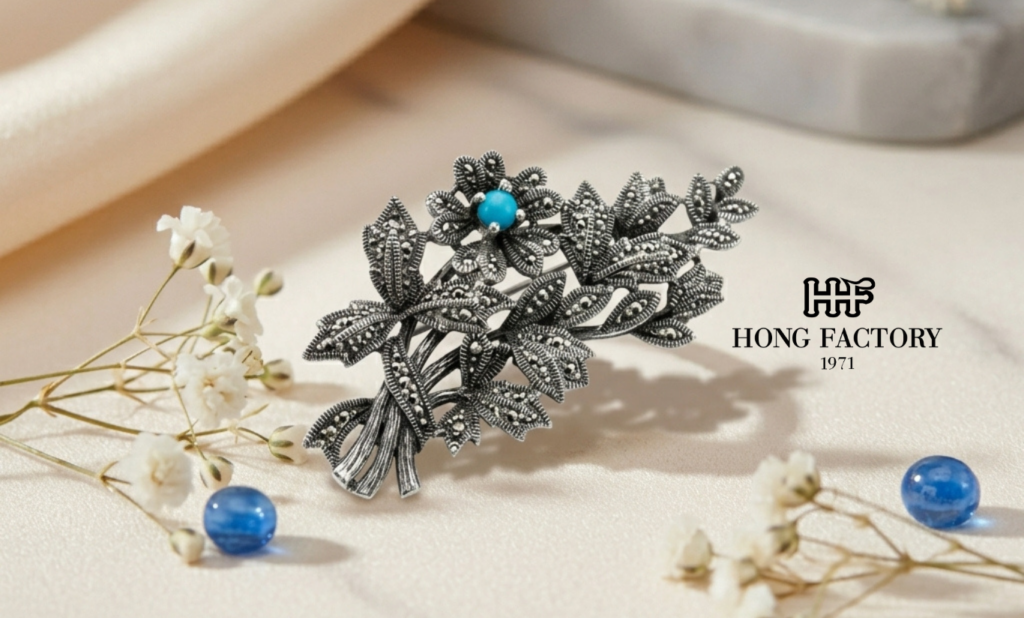
Marcasite Brooch Revival: Vintage Style Meets Modern Wholesale Demand
In the ever-evolving world of fashion jewelry, trends often [...]
Jul