
The global jewelry industry has evolved significantly over the past decade, with consumers becoming increasingly aware of product safety, material quality, and skin compatibility. Among the most important considerations today is whether jewelry contains nickel—a metal that can trigger allergic reactions in millions of people worldwide.
As a result, Nickel-Free Silver Jewelry has become one of the fastest-growing categories in the fine jewelry market. Customers no longer focus solely on appearance or price; they also want jewelry that is comfortable to wear every day without causing irritation. For jewelry retailers and wholesalers, offering nickel-free collections is no longer just an added benefit—it has become a competitive advantage.
In this guide, we’ll explain what Nickel-Free Silver Jewelry is, why it matters for sensitive skin, how international regulations influence manufacturing, and why retailers should consider expanding their nickel-free product offerings.
What Is Nickel-Free Silver Jewelry?
Nickel-Free Silver Jewelry refers to silver jewelry manufactured without the use of nickel-containing alloys. Instead of nickel, manufacturers use alternative metals—such as copper, zinc, or other skin-friendly alloys—to strengthen sterling silver while maintaining durability and appearance.
High-quality 925 sterling silver naturally contains 92.5% pure silver and 7.5% alloy metals. Traditionally, some manufacturers included nickel within this alloy to improve hardness or reduce production costs. Today, premium jewelry manufacturers increasingly avoid nickel altogether, producing jewelry that is safer and more comfortable for people with sensitive skin.
For customers prone to allergic reactions, choosing Nickel-Free Silver Jewelry offers greater peace of mind while preserving the beauty and elegance of genuine sterling silver.
Why Nickel Causes Skin Reactions
Nickel is one of the most common causes of contact dermatitis, a skin condition triggered when nickel ions are released from jewelry and come into contact with the skin.
Typical symptoms include:
- Redness
- Itching
- Dry skin
- Swelling
- Rash
- Small blisters
These reactions may occur within hours or after prolonged exposure, especially when jewelry is worn daily.
People with nickel allergies often experience irritation from inexpensive fashion jewelry, watchbands, belt buckles, or earrings containing nickel alloys.
Because of these concerns, many consumers actively search for Nickel-Free Silver Jewelry before making a purchase.
Why Sensitive Skin Customers Prefer Nickel-Free Jewelry
Consumers with sensitive skin often struggle to find jewelry they can comfortably wear every day.
Comfortable Daily Wear
One of the biggest advantages of Nickel-Free Silver Jewelry is improved comfort during extended wear.
Customers can wear rings, necklaces, bracelets, and earrings throughout the day with significantly reduced risk of irritation.
Greater Confidence
When customers know a jewelry piece is nickel-free, they feel more confident making a purchase.
This confidence often translates into:
- Higher customer satisfaction
- Positive product reviews
- Increased repeat purchases
- Stronger brand loyalty
Suitable for Gift Giving
Many people purchase jewelry as gifts without knowing whether the recipient has metal allergies.
Choosing Nickel-Free Silver Jewelry reduces that concern, making it a safer gift option for birthdays, anniversaries, holidays, and special occasions.
International Regulations on Nickel
Growing awareness of nickel allergies has led to stricter regulations around the world.
European Union
The European Union introduced the Nickel Directive, now incorporated into the REACH Regulation, to limit the amount of nickel released from jewelry that comes into prolonged contact with the skin.
Manufacturers exporting jewelry to Europe must ensure their products comply with these strict safety standards.
For retailers targeting European customers, offering compliant Nickel-Free Silver Jewelry is essential.
United Kingdom
Following Brexit, the UK continues to maintain regulations that closely mirror the EU’s requirements regarding nickel release in jewelry.
Consumers increasingly expect jewelry to meet these standards regardless of where it is manufactured.
North America
While regulations vary, consumer awareness in the United States and Canada has grown substantially.
Many jewelry brands now promote nickel-free products as part of their commitment to customer safety and quality.
Benefits of Nickel-Free Sterling Silver
Skin-Friendly
The most obvious advantage is reduced risk of allergic reactions.
Customers with sensitive skin can comfortably wear jewelry for longer periods without discomfort.
Premium Brand Image
Offering Nickel-Free Silver Jewelry positions a brand as one that values customer well-being and product quality.
Retailers who clearly communicate nickel-free materials often gain greater customer trust.
Better Long-Term Customer Satisfaction
Comfort directly influences repeat purchases.
When customers enjoy wearing jewelry without irritation, they are more likely to purchase additional pieces from the same retailer.
International Market Acceptance
Many overseas buyers, particularly in Europe and North America, actively request nickel-free products.
For exporters and wholesalers, nickel-free collections help meet international market expectations and simplify compliance.
How Manufacturers Produce Nickel-Free Silver Jewelry
Producing high-quality Nickel-Free Silver Jewelry requires careful material selection and manufacturing expertise.
Alloy Selection
Manufacturers choose alternative alloy metals that provide strength without compromising skin compatibility.
Copper remains one of the most common alloying elements because it offers excellent durability while maintaining sterling silver standards.
Precision Manufacturing
Modern manufacturers use advanced production methods, including CAD design, precision casting, and skilled hand-finishing to ensure consistent quality.
Every stage from casting to polishing must preserve the integrity of the nickel-free alloy.
Quality Control
Reliable manufacturers perform rigorous inspections throughout production to verify material consistency, craftsmanship, and compliance with international standards.
This attention to detail helps ensure every finished piece meets customer expectations.
Why Jewelry Retailers Should Offer Nickel-Free Collections
Customer preferences continue to shift toward safer, higher-quality materials.
Retailers who stock Nickel-Free Silver Jewelry benefit in several ways.
Reach More Customers
Offering nickel-free collections expands your potential customer base to include individuals with metal sensitivities who might otherwise avoid jewelry purchases.
Differentiate Your Business
Many retailers still focus primarily on design and price.
Highlighting nickel-free materials provides a valuable selling point that distinguishes your collection from competitors.
Build Trust
Transparency about jewelry materials demonstrates professionalism and builds stronger relationships with customers.
Providing clear product descriptions and material information helps shoppers make informed decisions.
Support Premium Pricing
Consumers increasingly recognize the value of skin-friendly materials.
High-quality Nickel-Free Silver Jewelry often commands greater perceived value than standard fashion jewelry, supporting healthier profit margins.
Caring for Nickel-Free Silver Jewelry
Although nickel-free jewelry is designed for comfort, proper care helps preserve its appearance and longevity.
Store Correctly
Keep jewelry in a dry, airtight container or anti-tarnish pouch.
Avoid Harsh Chemicals
Remove jewelry before swimming or using household cleaning products.
Perfumes and lotions should also be applied before putting on jewelry.
Clean Gently
Use a soft polishing cloth specifically designed for sterling silver.
Avoid abrasive materials that may scratch the surface.
Frequently Asked Questions
Is Nickel-Free Silver Jewelry completely allergy-proof?
While nickel-free jewelry greatly reduces the risk of allergic reactions, no jewelry can guarantee compatibility for every individual. Customers with severe metal allergies should always consult their healthcare provider if uncertain.
Does Nickel-Free Silver Jewelry contain real silver?
Yes. High-quality Nickel-Free Silver Jewelry is commonly made from genuine 925 sterling silver using alternative alloy metals instead of nickel.
Why do some sterling silver products still contain nickel?
Some manufacturers use nickel-containing alloys to increase hardness or reduce costs. Premium manufacturers increasingly avoid nickel to meet international market demands.
Is nickel-free jewelry more expensive?
In some cases, yes. The use of premium alloy materials and stricter quality control can increase production costs, but many consumers consider the improved comfort and safety well worth the investment.
As consumers become more informed about jewelry materials and skin health, Nickel-Free Silver Jewelry has become an essential category in today’s global market. By eliminating one of the most common causes of metal allergies, nickel-free sterling silver offers greater comfort, improved customer satisfaction, and broader international appeal.
For jewelry retailers, wholesalers, and manufacturers, investing in Nickel-Free Silver Jewelry is more than simply meeting regulations—it demonstrates a commitment to quality, transparency, and customer well-being. Whether serving local customers or exporting to global markets, offering nickel-free collections helps build trust, strengthen brand reputation, and meet the growing demand for safe, beautifully crafted sterling silver jewelry.



Jewelry Blog
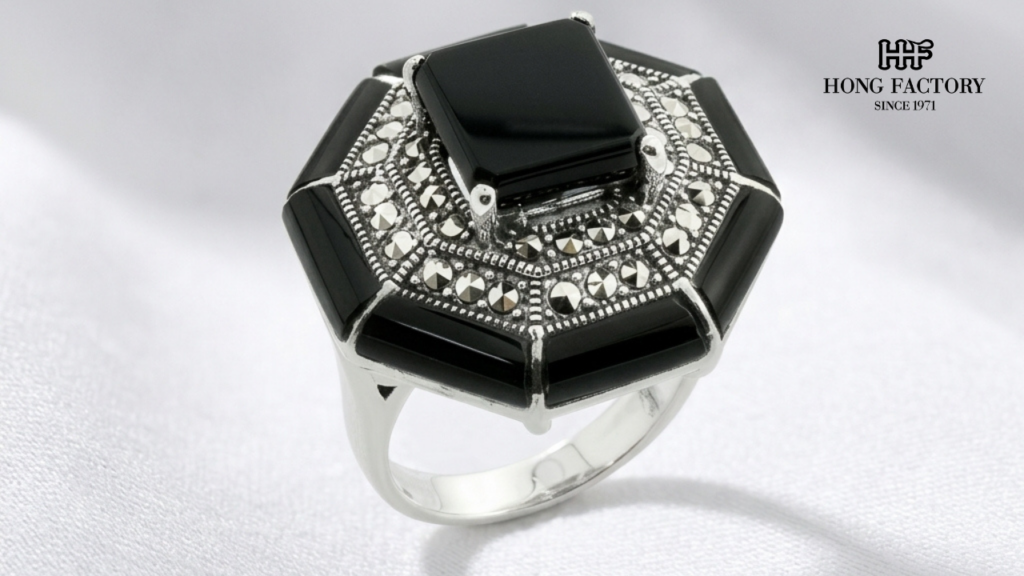
Why Rhodium Plating Is Used on Sterling Silver Jewelry
Rhodium plating is applied to sterling silver jewelry to [...]
Sep
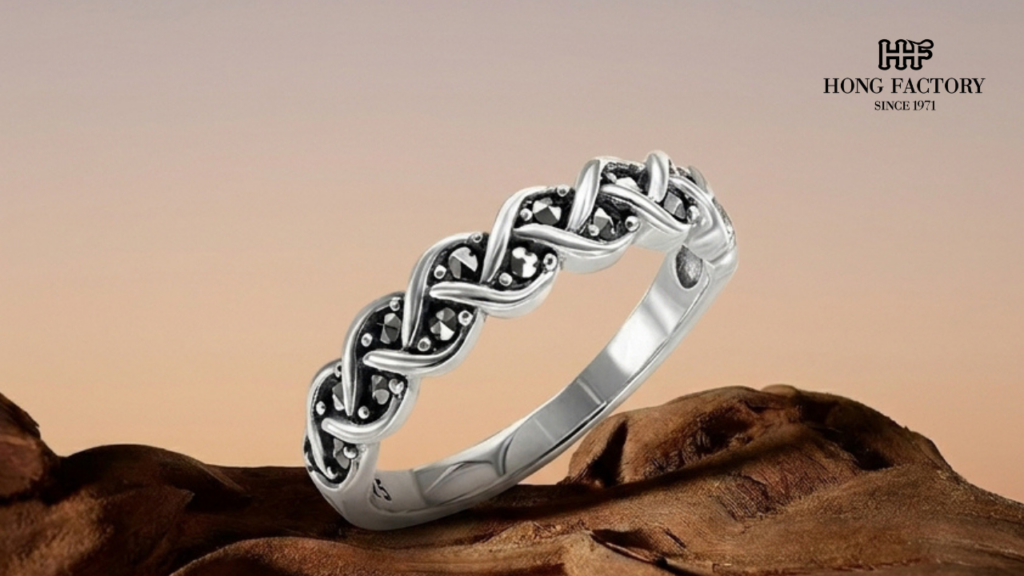
Why Sterling Silver 925 Is Popular for Jewelry Manufacturing
Sterling silver 925 is one of the most widely [...]
Sep
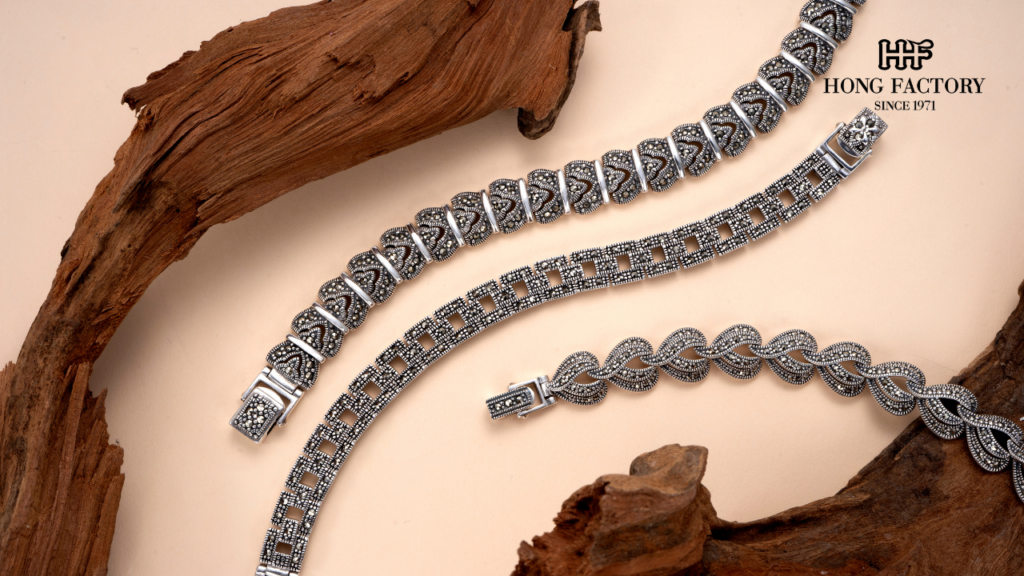
Inside a Jewelry Factory: How Sterling Silver Jewelry Is Made
Sterling silver jewelry may look delicate and effortless, but [...]
Sep
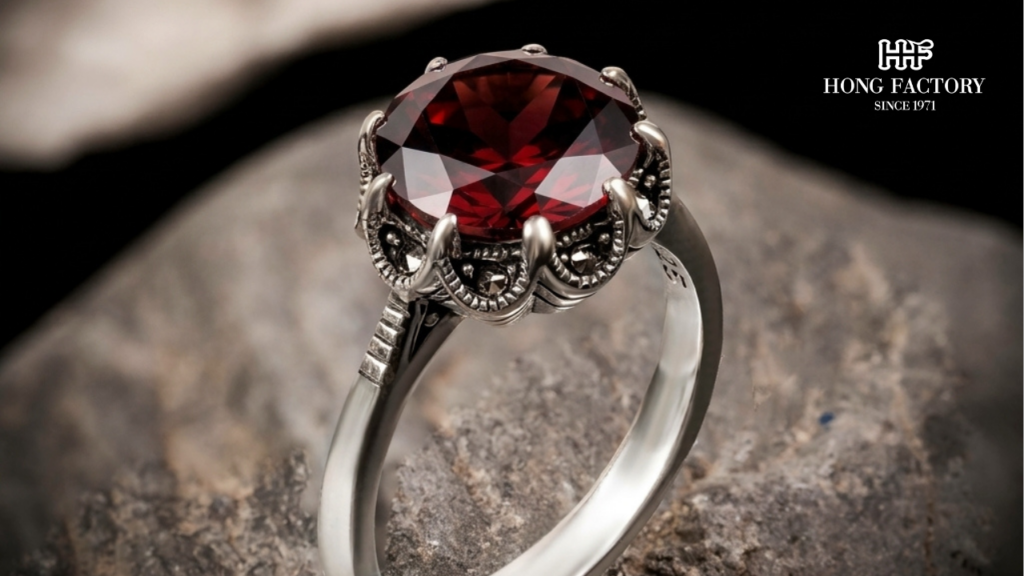
Garnet Gemstone: Meaning, Colors and Jewelry Guide
Garnet is a popular gemstone family known for its [...]
Sep
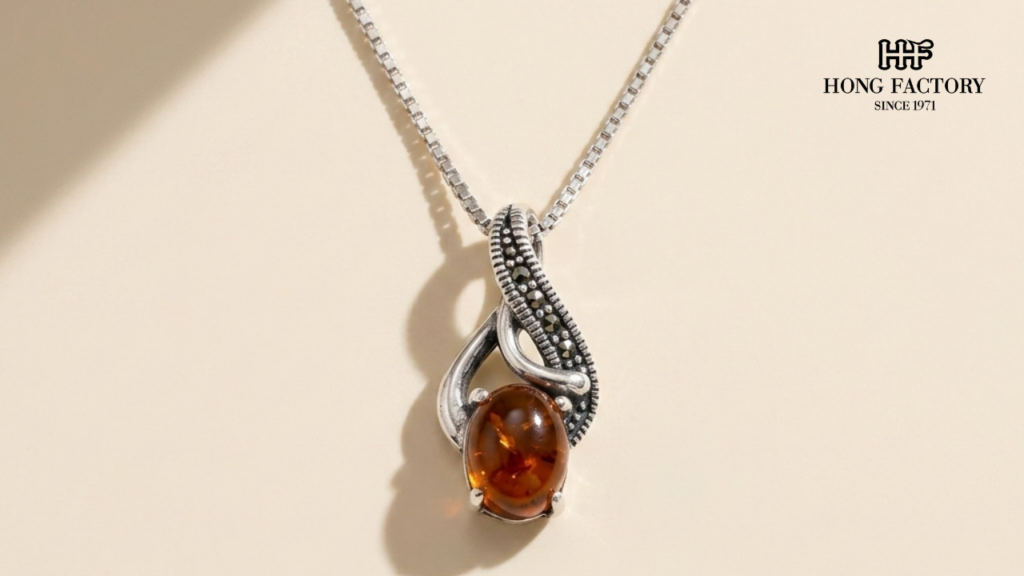
Citrine Gemstone: Meaning, Color and Jewelry Guide
Citrine is a popular gemstone known for its warm [...]
Sep
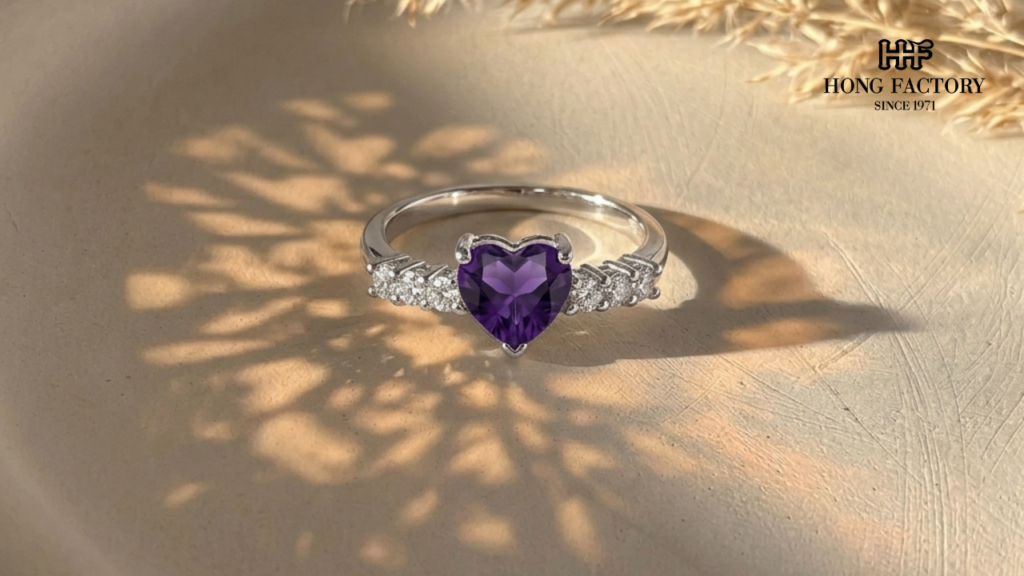
Amethyst Gemstone: Meaning, Color and Jewelry Guide
Amethyst is a popular gemstone known for its beautiful [...]
Sep
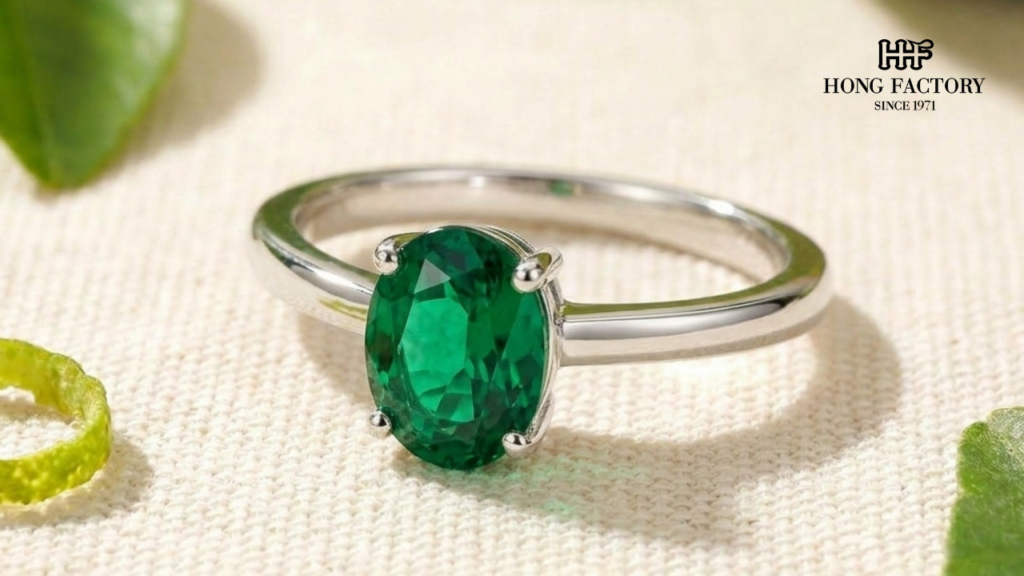
Emerald Gemstone: Meaning, Color and Jewelry Guide
Emerald is a popular gemstone known for its rich [...]
Sep
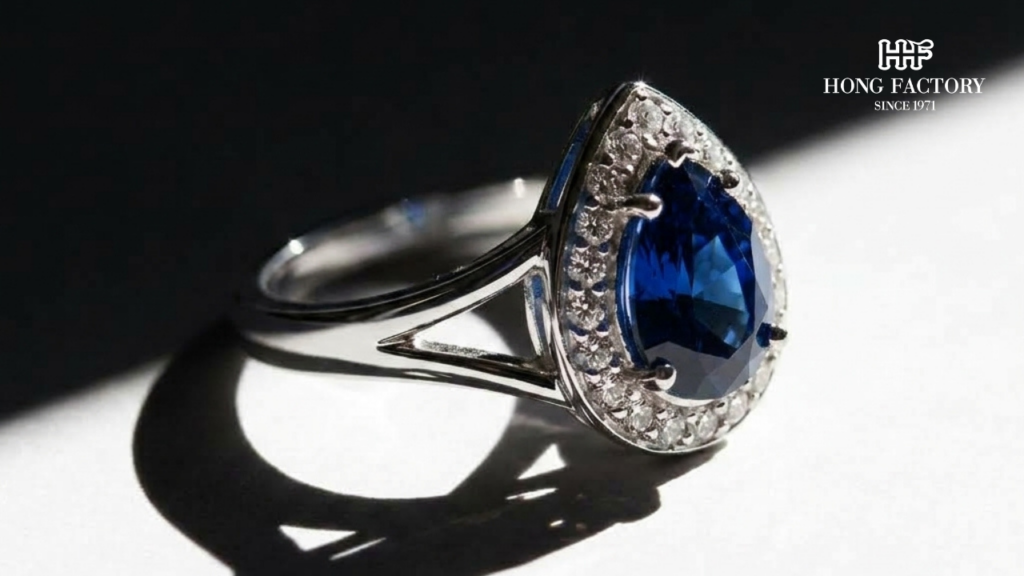
Sapphire Gemstone: Meaning, Colors and Jewelry Guide
Sapphire is a popular gemstone known for its beauty, [...]
Sep