
Amethyst is a popular gemstone known for its beautiful purple color, natural clarity, and timeless appeal. It is commonly used in rings, earrings, pendants, bracelets, and other meaningful jewelry.
What Is Amethyst?
Amethyst is the purple variety of quartz. Its color ranges from delicate lilac to deep violet and is caused primarily by trace elements and natural irradiation within the crystal structure.
With a hardness of 7 on the Mohs scale, amethyst is durable enough for many types of jewelry and can be suitable for regular wear with reasonable care. However, it may still scratch, chip, or fracture if exposed to strong impact or rough handling.
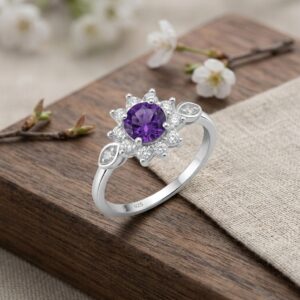
Amethyst Meaning and Symbolism
Amethyst is traditionally associated with:
- Peace and calm
- Spiritual awareness
- Protection
- Clarity and balance
- Wisdom and intuition
- Sobriety and self-control
The gemstone’s purple color has long been connected with royalty, spirituality, and inner reflection. For this reason, amethyst is often chosen for meaningful gifts, meditation jewelry, anniversaries, and birthstone pieces.
Amethyst Color and Quality
Color is one of the most important factors when evaluating amethyst. Desirable stones typically display a rich, even purple color with good brightness and attractive transparency.
Amethyst may range from pale pinkish violet to reddish purple, bluish purple, or deep royal violet. The most valuable stones generally have strong, saturated color without appearing overly dark or dull.
When evaluating amethyst, consider:
- Color
- Clarity
- Cut
- Carat weight
- Color zoning
- Treatment
- Origin
- Overall appearance
Some amethysts display visible color zoning, with areas of lighter and darker purple within the same crystal. Even color is often preferred in faceted gemstones, although distinctive zoning can add character to certain specimens and artistic jewelry designs.
Amethyst Clarity and Special Characteristics
Amethyst is often relatively clear, especially in faceted jewelry stones. Natural examples may contain inclusions such as:
- Fine internal lines
- Mineral crystals
- Veils
- Liquid-filled features
- Color zoning
- Growth patterns
Eye-clean amethyst is widely available, but inclusions may be accepted when they contribute to the stone’s natural character or occur in larger collector specimens.
Some amethyst crystals form in distinctive shapes or combinations. Amethyst geodes, chevron amethyst, and ametrine are especially notable varieties. Ametrine naturally combines purple amethyst and yellow citrine in a single gemstone.
Natural, Synthetic, and Treated Amethyst
Amethyst may be:
- Natural: Formed in the earth and sometimes enhanced through standard cutting and polishing.
- Synthetic: Laboratory-created quartz with properties similar to natural amethyst.
- Treated: Enhanced through methods such as heating or irradiation.
Heat treatment may alter amethyst’s color and can sometimes produce yellow or orange citrine-like material. Some very dark or unusually vivid stones may also be treated to improve their appearance.
Treatment should be disclosed whenever it affects the gemstone’s identity, appearance, value, or care requirements. When purchasing a valuable or unusual amethyst, ask the seller for clear information about its origin and any enhancements.
Amethyst Origins
Important amethyst sources include Brazil, Uruguay, Zambia, Bolivia, Mexico, Namibia, and the United States.
Brazil is well known for producing large amethyst geodes and attractive faceted stones. Uruguayan amethyst is often recognized for its deep purple color and strong saturation, while Zambian material may display rich color in smaller crystals.
Origin can influence desirability, especially for collector specimens, but color, clarity, size, cut, and overall beauty are usually more important when evaluating finished jewelry.
High-value or unusual amethyst specimens may be accompanied by an independent gemological report, particularly when origin or treatment is a significant factor.
Amethyst Jewelry Styles
Amethyst works well with both classic and contemporary jewelry designs.
Rings
Popular styles include:
- Solitaire rings
- Halo rings
- Three-stone rings
- Vintage-inspired rings
- Amethyst and diamond rings
- Cluster rings
- Bezel-set rings
- Cocktail rings
- Cabochon rings
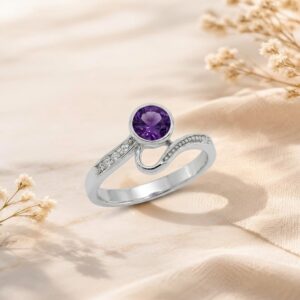
Because amethyst can chip at sharp corners or points, protective settings such as bezels, halos, or secure prongs can be helpful. Rings with exposed stones should be worn thoughtfully during activities that may involve impact.
Earrings
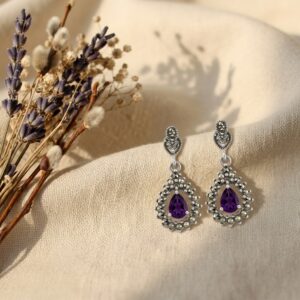
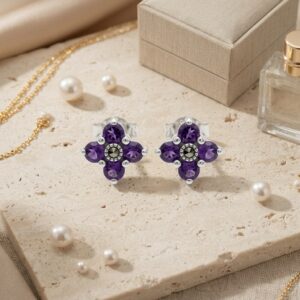
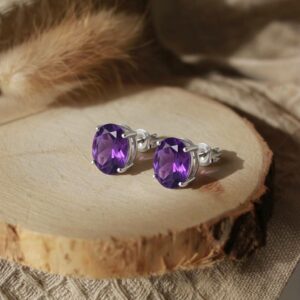
Amethyst studs are elegant for everyday or occasional wear, while drop, cluster, and chandelier earrings create a more dramatic appearance. Amethyst earrings can add a refined purple accent to both formal and casual outfits.
Pendants and Necklaces
Common designs include solitaire, heart-shaped, floral, birthstone, and amethyst-and-diamond pendants. A purple amethyst pendant offers a classic appearance, while unusual cuts, mixed gemstones, or vintage-inspired settings create a more distinctive style.
Amethyst is also popular in large statement pendants because its color remains attractive in both faceted and cabochon forms.
Bracelets
Amethyst bracelets include tennis, beaded, cuff, charm, and link styles. Since bracelets are exposed to movement and impact, inspect their clasps and settings regularly.
Beaded amethyst bracelets are especially popular for their relaxed appearance and association with calm, balance, and personal intention.
Amethyst and Birthstone Jewelry
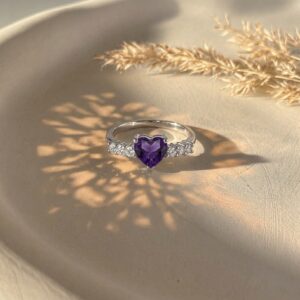
Amethyst is the traditional birthstone for February. It is often used in rings, earrings, pendants, charm bracelets, and personalized gifts.
Its purple color makes it a meaningful choice for celebrating individuality, wisdom, peace, and emotional balance. Amethyst jewelry can also be selected simply for its beauty, regardless of birth month.
Amethyst and Metal Pairings
- Yellow gold: Warm, traditional, and luxurious
- White gold: Modern and creates contrast with the purple stone
- Rose gold: Romantic and softly complements lighter amethyst
- Platinum: Durable and refined
- Sterling silver: Accessible and versatile, especially in vintage-inspired or marcasite designs
Amethyst pairs particularly well with silver-colored metals because the cool tones emphasize its violet color. Yellow and rose gold create a warmer, more dramatic contrast.
How to Choose Amethyst Jewelry
Look for:
- Attractive, evenly distributed purple color
- Good brightness and transparency
- Minimal distracting inclusions
- Secure settings
- Clear treatment disclosure
- Comfortable proportions
- Appropriate durability for your lifestyle
- A reputable seller
- An independent report for valuable or unusual pieces
Do not choose size alone. A smaller amethyst with vivid color and excellent brilliance may be more attractive than a larger stone with weak color, excessive zoning, or a dull appearance.
The cut should also suit the stone. Amethyst is commonly fashioned in oval, round, cushion, pear, emerald, princess, and marquise shapes. Cabochon cuts and carved designs are also popular for distinctive jewelry and collector pieces.
How to Care for Amethyst Jewelry
- Store amethyst jewelry separately.
- Avoid harsh chemicals, heat, and strong impacts.
- Remove jewelry before swimming, exercising, showering, or cleaning.
- Clean with lukewarm water, mild soap, and a soft cloth.
- Inspect settings and clasps regularly.
- Avoid prolonged exposure to direct sunlight.
- Do not expose amethyst to sudden temperature changes.
Extended exposure to strong sunlight may cause some amethyst to fade or change color over time. Ultrasonic cleaning may be suitable for some amethyst jewelry, but it should be avoided if the stone has fractures, significant inclusions, or has been treated. Ask a qualified jeweler before using ultrasonic or steam cleaning.
Amethyst Versus Other Purple Gemstones
Amethyst is one of the most recognized purple gemstones, but it is not the only option. Purple sapphire, purple spinel, iolite, fluorite, and purple tourmaline can offer different shades, durability levels, and price points.
Amethyst is valued for its accessible beauty, wide range of purple tones, natural crystal formations, and association with peace and spirituality. However, the best choice depends on your preferred appearance, budget, lifestyle, and care expectations.
Questions to Ask Before Buying
Ask whether the amethyst is:
- Natural, synthetic, or imitation
- Treated and what treatment was used
- Suitable for everyday wear
- Accompanied by a gemological report
- From a documented origin
- Covered by a return or warranty policy
- Safe to clean using standard jewelry methods
Amethyst is a beautiful and meaningful gemstone valued for its purple color, natural character, and timeless symbolism. When buying amethyst jewelry, focus on color, clarity, cut, treatment, setting quality, and reliable documentation.
Whether you choose an amethyst birthstone ring, a colorful pendant, elegant earrings, or a vintage-inspired piece, amethyst can add character, sophistication, and lasting meaning to any jewelry collection.



Jewelry Blog
Why Rhodium Plating Is Used on Sterling Silver Jewelry
Rhodium plating is applied to sterling silver jewelry to [...]
Sep
Why Sterling Silver 925 Is Popular for Jewelry Manufacturing
Sterling silver 925 is one of the most widely [...]
Sep
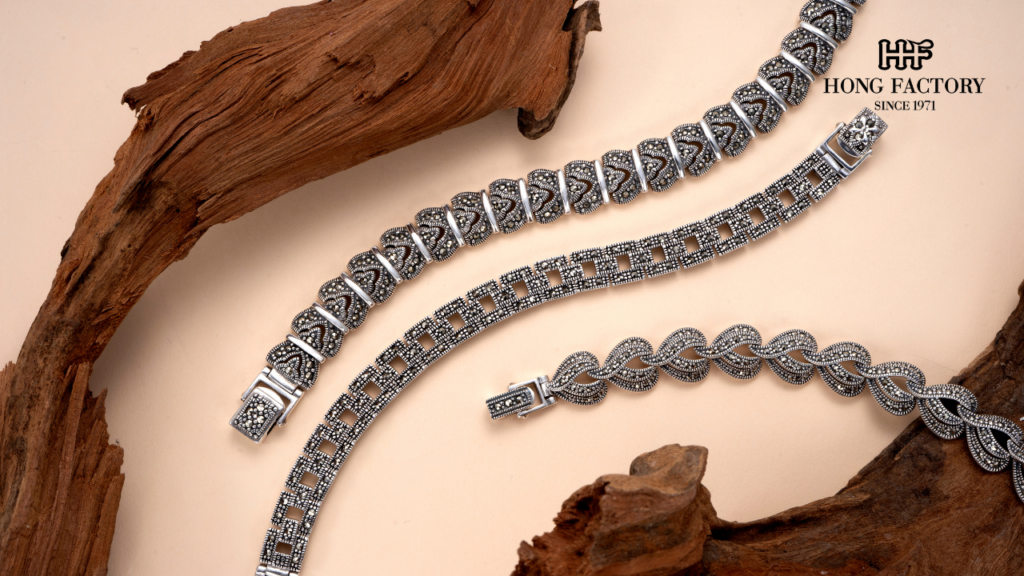
Inside a Jewelry Factory: How Sterling Silver Jewelry Is Made
Sterling silver jewelry may look delicate and effortless, but [...]
Sep
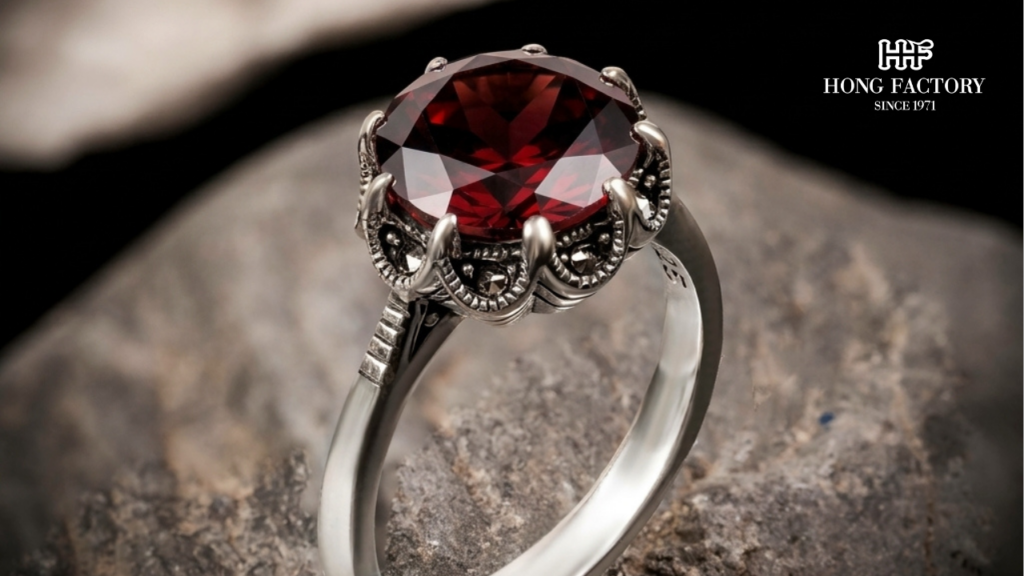
Garnet Gemstone: Meaning, Colors and Jewelry Guide
Garnet is a popular gemstone family known for its [...]
Sep
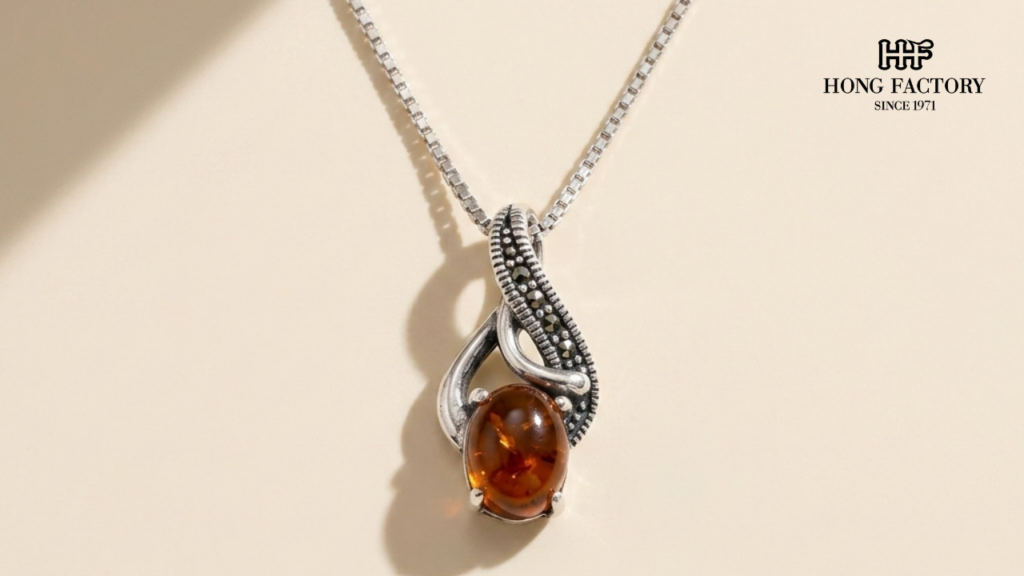
Citrine Gemstone: Meaning, Color and Jewelry Guide
Citrine is a popular gemstone known for its warm [...]
Sep
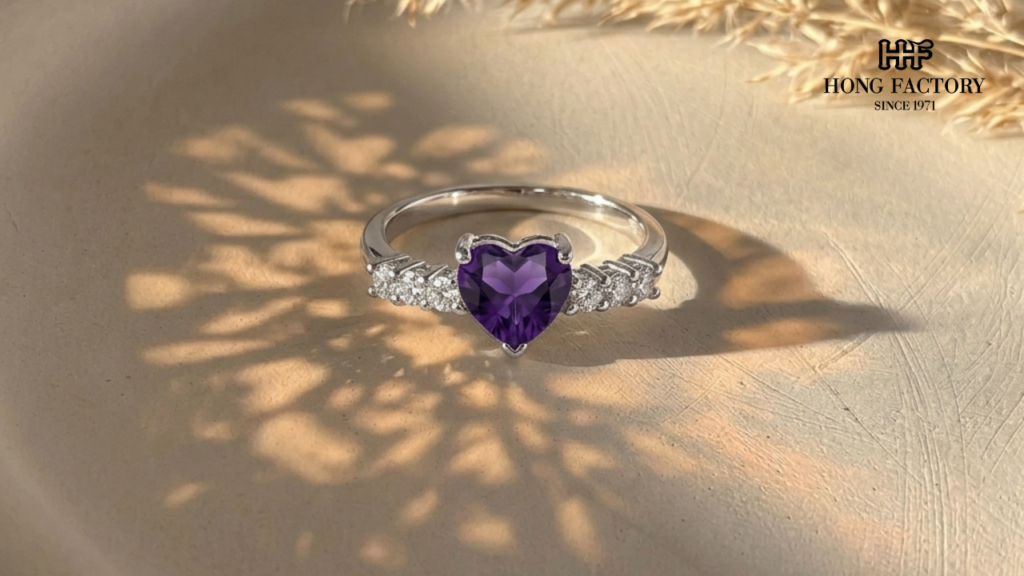
Amethyst Gemstone: Meaning, Color and Jewelry Guide
Amethyst is a popular gemstone known for its beautiful [...]
Sep
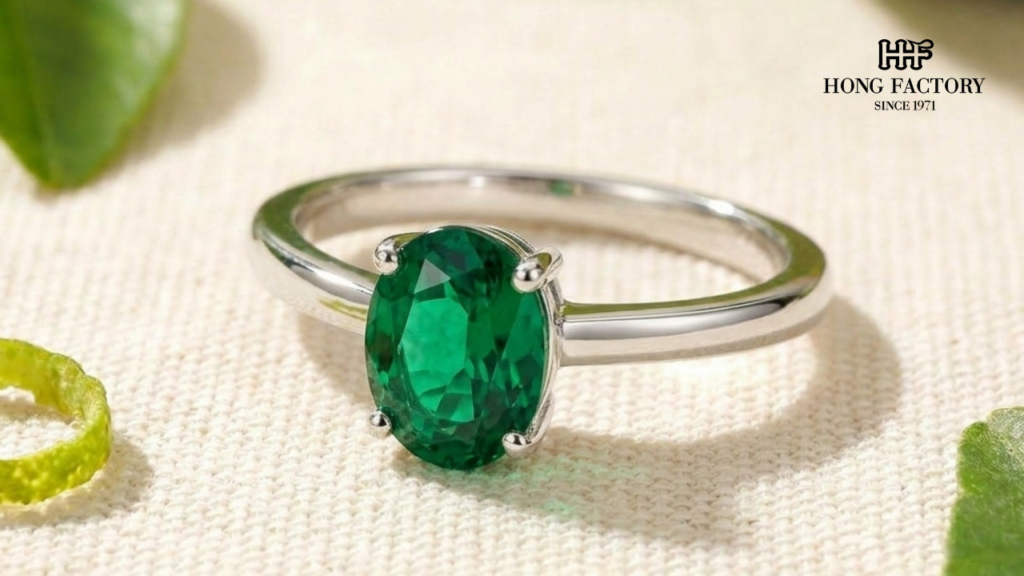
Emerald Gemstone: Meaning, Color and Jewelry Guide
Emerald is a popular gemstone known for its rich [...]
Sep
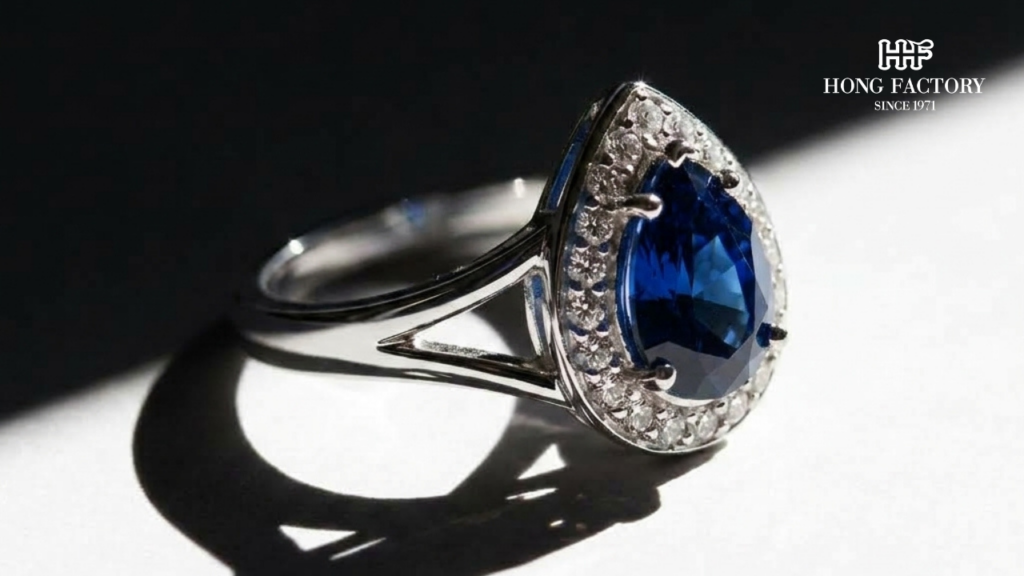
Sapphire Gemstone: Meaning, Colors and Jewelry Guide
Sapphire is a popular gemstone known for its beauty, [...]
Sep