
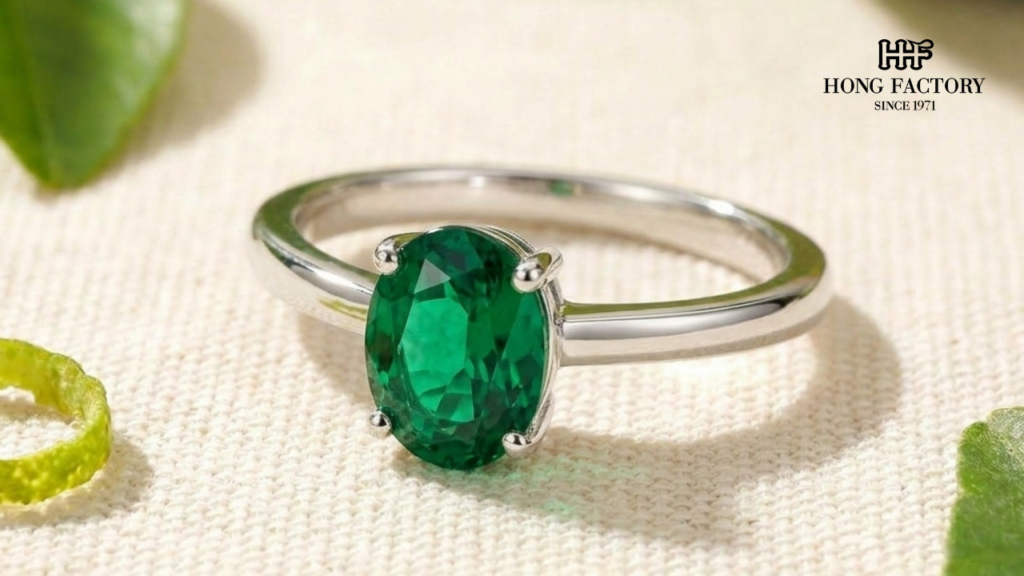
Emerald is a popular gemstone known for its rich green color, natural beauty, and timeless appeal. It is commonly used in rings, earrings, pendants, bracelets, and other meaningful jewelry.
What Is an Emerald?
Emerald is a green variety of the mineral beryl. Its color is created mainly by trace amounts of chromium, vanadium, or both. Emeralds range from light green to deep, vivid green, with the most desirable stones displaying strong color and attractive transparency.
With a hardness of 7.5 to 8 on the Mohs scale, emerald is durable enough for many types of jewelry but is generally more vulnerable to scratches, fractures, and impact than sapphire or diamond. Proper care is especially important for emerald jewelry worn regularly.

Emerald Meaning and Symbolism
Emerald is traditionally associated with:
- Love and devotion
- Renewal and growth
- Wisdom and harmony
- Prosperity and good fortune
- Hope and emotional balance
- Loyalty and commitment
The gemstone’s green color is often connected with nature, vitality, and new beginnings. For this reason, emerald is frequently chosen for engagement rings, anniversaries, milestone gifts, and birthstone jewelry.
Emerald Color and Quality
Color is the most important factor when evaluating an emerald. The finest emeralds typically display a vivid, evenly distributed green color with good brightness and attractive transparency.
Emerald color may range from bluish green to yellowish green. Deep, lively green stones are generally more desirable than pale or overly dark examples.
When evaluating an emerald, consider:
- Color
- Clarity
- Cut
- Carat weight
- Treatment
- Origin
- Overall appearance
Unlike diamonds, emeralds are not usually judged by the absence of inclusions. Most natural emeralds contain internal features, often called a jardin, which is French for “garden.” These inclusions can help indicate natural origin, but excessive fractures, cloudiness, or surface-reaching inclusions may affect beauty and durability.
Emerald Clarity and Special Characteristics
Natural emeralds commonly contain inclusions such as:
- Fine internal lines
- Mineral crystals
- Veils
- Cavities
- Liquid-filled features
- Garden-like patterns
Because inclusions are so common, eye-clean emeralds are rare and may command a significant premium. However, clarity should always be considered together with color and overall appearance.
Some emeralds may display a cat’s-eye effect caused by aligned inclusions, although this phenomenon is uncommon. Trapiche emeralds, another rare variety, show a distinctive six-rayed pattern created by dark inclusions within the crystal.
Natural, Synthetic, and Treated Emeralds
Emeralds may be:
- Natural: Formed in the earth and sometimes treated.
- Synthetic: Laboratory-created with similar chemical and physical properties to natural emerald.
- Treated: Enhanced through methods such as oiling or resin filling.
Treatment should always be disclosed. Oiling is a common and widely accepted practice used to improve the apparent clarity of emeralds. The amount and type of treatment can affect value and care requirements.
Resin-filled emeralds may require additional caution because heat, chemicals, pressure, or improper cleaning can damage the filling or alter the stone’s appearance.

Emerald Origins
Important emerald sources include Colombia, Zambia, Brazil, Afghanistan, Ethiopia, Zimbabwe, and Pakistan.
Colombian emeralds are especially known for their vivid green color and historical importance, while Zambian emeralds are often recognized for their strong color and attractive transparency. Origin can influence value, but color, clarity, treatment, size, and overall quality are usually more important.
High-value emeralds should be accompanied by an independent gemological report that identifies the stone and discloses any treatments.
Emerald Jewelry Styles
Emerald works well with both classic and contemporary jewelry designs.
Rings
Popular styles include:
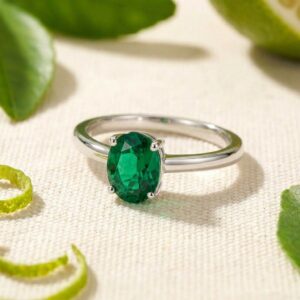
- Solitaire rings
- Halo rings
- Three-stone rings
- Vintage-inspired rings
- Emerald and diamond rings
- Cluster rings
- Bezel-set rings
- Cabochon rings
Because emeralds often contain inclusions and may be more vulnerable to impact, protective settings such as bezels or halos can be helpful. Emerald rings should be worn thoughtfully, especially when the stone is exposed or has significant inclusions.
Earrings
Emerald studs are elegant for everyday or occasional wear, while drop, cluster, and chandelier earrings create a more dramatic appearance. Emerald earrings can add a refined green accent to both formal and casual outfits.
Pendants and Necklaces
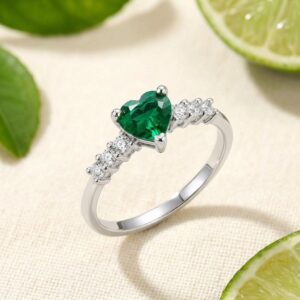
Common designs include solitaire, heart-shaped, floral, birthstone, and emerald-and-diamond pendants. A green emerald pendant offers a classic appearance, while unusual cuts, mixed gemstones, or vintage-inspired settings create a more distinctive style.
Bracelets
Emerald bracelets include tennis, beaded, cuff, charm, and link styles. Since bracelets are exposed to movement and impact, inspect their clasps and settings regularly.

Emerald and Birthstone Jewelry
Emerald is the traditional birthstone for May. It is often used in rings, earrings, pendants, charm bracelets, and personalized gifts.
Its green color makes it a meaningful choice for celebrating spring, renewal, growth, and lasting affection. Emerald jewelry can also be selected simply for its beauty, regardless of birth month.
Emerald and Metal Pairings
- Yellow gold: Warm, traditional, and luxurious
- White gold: Modern and creates contrast with the green stone
- Rose gold: Romantic and softly complements lighter emeralds
- Platinum: Durable and refined
- Sterling silver: Accessible and versatile, especially in vintage-inspired or marcasite designs

How to Choose Emerald Jewelry
Look for:
- Vivid, attractive green color
- Good brightness and balanced transparency
- Secure settings
- Clear treatment disclosure
- Comfortable proportions
- Appropriate durability for your lifestyle
- A reputable seller
- An independent report for valuable pieces
Do not choose size alone. A smaller emerald with excellent color and attractive clarity may be more beautiful and valuable than a larger stone with dull color, excessive inclusions, or visible fractures.
The cut should also suit the stone. Emeralds are often fashioned in rectangular step cuts, known as emerald cuts, but oval, cushion, pear, round, and cabochon shapes are also popular.
How to Care for Emerald Jewelry
- Store emerald jewelry separately.
- Avoid harsh chemicals, heat, and strong impacts.
- Remove jewelry before swimming, exercising, showering, or cleaning.
- Clean with lukewarm water, mild soap, and a soft cloth.
- Inspect settings and clasps regularly.
- Avoid ultrasonic and steam cleaning unless specifically approved by a qualified jeweler.
- Do not expose treated emeralds to sudden temperature changes.
Many emeralds are treated with oil or resin, so professional cleaning equipment may cause damage. Ask a qualified jeweler before using ultrasonic, steam, or chemical cleaning methods.
Emerald Versus Other Green Gemstones
Emerald is one of the most recognized green gemstones, but it is not the only option. Green tourmaline, peridot, tsavorite garnet, jade, and green sapphire can offer different shades, durability levels, and price points.
Emerald is valued for its distinctive green color, natural inclusions, historical significance, and association with luxury. However, the best choice depends on your preferred appearance, budget, lifestyle, and care expectations.
Questions to Ask Before Buying
Ask whether the emerald is:
- Natural, synthetic, or imitation
- Treated and what treatment was used
- Suitable for everyday wear
- Accompanied by a gemological report
- From a documented origin
- Covered by a return or warranty policy
- Safe to clean using standard jewelry methods
Emerald is a beautiful and meaningful gemstone valued for its rich green color, natural character, and timeless symbolism. When buying emerald jewelry, focus on color, clarity, cut, treatment, setting quality, and reliable documentation.
Whether you choose an emerald engagement ring, a colorful pendant, elegant earrings, or a vintage-inspired piece, emerald can add character, sophistication, and lasting meaning to any jewelry collection.



Jewelry Blog
Why Rhodium Plating Is Used on Sterling Silver Jewelry
Rhodium plating is applied to sterling silver jewelry to [...]
Sep
Why Sterling Silver 925 Is Popular for Jewelry Manufacturing
Sterling silver 925 is one of the most widely [...]
Sep
Inside a Jewelry Factory: How Sterling Silver Jewelry Is Made
Sterling silver jewelry may look delicate and effortless, but [...]
Sep
Garnet Gemstone: Meaning, Colors and Jewelry Guide
Garnet is a popular gemstone family known for its [...]
Sep
Citrine Gemstone: Meaning, Color and Jewelry Guide
Citrine is a popular gemstone known for its warm [...]
Sep
Amethyst Gemstone: Meaning, Color and Jewelry Guide
Amethyst is a popular gemstone known for its beautiful [...]
Sep
Emerald Gemstone: Meaning, Color and Jewelry Guide
Emerald is a popular gemstone known for its rich [...]
Sep
Sapphire Gemstone: Meaning, Colors and Jewelry Guide
Sapphire is a popular gemstone known for its beauty, [...]
Sep