
Sterling silver 925 is one of the most widely used materials in jewelry manufacturing. It offers an attractive combination of beauty, durability, workability, and affordability, making it suitable for both everyday jewelry and highly detailed decorative pieces.
The number “925” refers to the metal’s composition. Sterling silver contains 92.5% pure silver and 7.5% other metals, most commonly copper. Pure silver is naturally soft and can bend or scratch easily, so the additional metals improve its strength and make it more practical for jewelry production.
What Is Sterling Silver 925?
Pure silver has a bright, white appearance and a naturally elegant shine. However, its softness makes it difficult to use on its own for many types of jewelry. By combining silver with a small amount of harder metals, manufacturers create an alloy that is more durable while retaining the visual qualities people associate with silver.
The 925 standard means that the material contains at least 92.5% pure silver. The remaining 7.5% may vary depending on the manufacturer, although copper is the most common addition.
This composition gives sterling silver several useful qualities:
- A bright and attractive appearance
- Greater strength than pure silver
- Good resistance to everyday wear
- Excellent workability
- Compatibility with gemstones and marcasite
- A relatively affordable price
- Suitability for handmade and mass production
Because of this balance, sterling silver is used by independent jewelry designers, artisan workshops, and large-scale manufacturers around the world.
Stronger Than Pure Silver
Pure silver is beautiful but relatively soft. Jewelry made entirely from pure silver may bend, dent, or lose its shape more easily, especially when worn frequently.
The addition of copper and other metals makes sterling silver stronger and more suitable for daily use. Although it is not completely scratch-proof or damage-proof, it generally performs better than pure silver in rings, bracelets, earrings, chains, and pendants.
This added strength is particularly important for jewelry components that experience pressure or movement, such as:
- Ring shanks
- Earring posts
- Bracelet links
- Chain connectors
- Pendant bails
- Clasps
- Prongs and other setting components
Manufacturers can adjust the thickness and structure of a piece to improve its durability while keeping it lightweight and comfortable.
Easy to Cast and Shape
Sterling silver is highly workable, which is one of its greatest advantages in manufacturing. It can be melted, cast, shaped, soldered, engraved, polished, and textured using a wide range of techniques.
This makes it possible to create both simple and highly complex designs. Manufacturers can produce smooth, clean forms as well as intricate patterns, raised details, openwork, and decorative surfaces.
Common production techniques include:
- Lost-wax casting
- Die casting
- Hand fabrication
- Soldering
- Engraving
- Filigree
- Repoussé and chasing
- Texturing
- Hammering
- Stone setting
- Oxidation
- Plating
- Polishing
Because sterling silver responds well to these processes, designers have considerable freedom when developing new collections.
Excellent for Gemstone Settings
Sterling silver is widely used for gemstone jewelry because it can be formed into secure and attractive settings. It can support many types of stone arrangements, including prong, bezel, channel, pavé, and cluster settings.
Manufacturers use sterling silver for jewelry featuring:
- Birthstones
- Semi-precious gemstones
- Cabochons
- Crystals
- Pearls
- Marcasite
- Synthetic stones
- Decorative glass
The metal’s workability allows setters to create precise spaces for stones and carefully shape prongs or bezels around them. A well-made setting helps protect the stone while allowing enough light to reach it.
However, the quality of the setting is extremely important. Poorly formed prongs, weak solder joints, or uneven bezels can cause stones to loosen or fall out. For this reason, craftsmanship matters as much as the material itself.
Affordable Compared with Gold and Platinum
Sterling silver is generally more affordable than gold and platinum. This makes it accessible to a wide range of customers and allows manufacturers to offer detailed designs at lower prices.
The lower material cost can also give designers more freedom to experiment with:
- Larger jewelry pieces
- More elaborate patterns
- Multiple design variations
- Seasonal collections
- Custom prototypes
- Fashion jewelry lines
Customers can enjoy the appearance of a precious metal without paying the higher price associated with gold or platinum. This is one reason sterling silver is popular for both everyday jewelry and gift items.
Although silver is more affordable, quality still varies. The final price may depend on the weight of the piece, the complexity of the design, the type of gemstones used, the finishing process, and the level of craftsmanship.
Suitable for Handmade and Mass Production
Sterling silver works well for both small-scale artisan production and large-scale manufacturing.
Independent jewelry makers can cut, shape, solder, and finish silver by hand. They can create one-of-a-kind pieces, limited collections, and customized designs.
Larger manufacturers can use molds, casting systems, stamping, computer-aided design, and automated polishing to produce consistent quantities. This flexibility makes sterling silver suitable for many business models.
It can be used for:
- Handmade jewelry
- Custom orders
- Small-batch collections
- Wholesale production
- Fashion jewelry
- Retail collections
- Export manufacturing
- Private-label products
The same material can therefore support both traditional craftsmanship and modern production methods.
Common Limitations of Sterling Silver
Although sterling silver has many advantages, it is not completely maintenance-free.
It can:
- Tarnish over time
- Develop surface scratches
- Bend under excessive pressure
- Lose its plating through wear
- React with chemicals or moisture
- Require occasional polishing
Tarnishing occurs when the metal reacts with substances in the environment, including sulfur compounds, humidity, cosmetics, perfumes, and household chemicals. Tarnish does not necessarily mean that the jewelry is poor quality. It is a natural reaction that can usually be reduced or removed with proper care.
Rings and bracelets may show scratches more quickly because they come into contact with surfaces during daily activities. Plated jewelry may also require re-plating after the surface layer wears away.
How to Identify Quality Sterling Silver Jewelry
Quality jewelry should be carefully inspected before purchase or production. A genuine sterling silver piece will often carry a stamp such as:
- 925
- Sterling
- S925
- Sterling Silver
The mark may be located inside a ring, on the back of a pendant, near an earring post, or on a clasp.
However, a stamp alone does not guarantee excellent craftsmanship. Buyers should also examine:
- Secure gemstone settings
- Even and smooth surfaces
- Clean solder joints
- Properly aligned components
- Strong clasps and connectors
- Comfortable proportions
- Consistent finishing
- Smooth edges
- Appropriate weight for the design
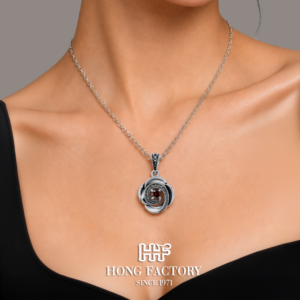
For gemstone and marcasite jewelry, check that the stones are firmly set and evenly positioned. Loose or uneven stones may indicate poor construction.
Why Manufacturers Continue to Choose Sterling Silver 925
Sterling silver 925 remains popular because it provides a practical balance between appearance, performance, and cost.
It is:
- Beautiful enough for fine-looking jewelry
- Strong enough for many everyday designs
- Flexible enough for detailed manufacturing
- Affordable for a broad customer base
- Suitable for gemstones and marcasite
- Compatible with many finishes
- Adaptable to handmade and industrial production
- Recyclable in many manufacturing systems
Its limitations, such as tarnishing and scratching, can usually be managed through proper design, finishing, care, and customer education.
Conclusion
Sterling silver 925 continues to be a preferred material for jewelry manufacturing because it combines the visual appeal of silver with improved strength and excellent workability. Its composition allows manufacturers to create rings, earrings, bracelets, pendants, chains, and intricate decorative designs in many different styles.
It supports traditional techniques such as hand fabrication and filigree, as well as modern methods such as lost-wax casting, computer-aided design, and mass production. It also works well with gemstones, marcasite, plating, oxidation, engraving, and textured finishes.
Although sterling silver requires care and may tarnish or scratch over time, these issues do not outweigh its advantages. When properly designed, manufactured, and maintained, sterling silver 925 offers an attractive, durable, versatile, and cost-effective choice for jewelry makers and customers alike.



Jewelry Blog
Why Rhodium Plating Is Used on Sterling Silver Jewelry
Rhodium plating is applied to sterling silver jewelry to [...]
Sep
Why Sterling Silver 925 Is Popular for Jewelry Manufacturing
Sterling silver 925 is one of the most widely [...]
Sep
Inside a Jewelry Factory: How Sterling Silver Jewelry Is Made
Sterling silver jewelry may look delicate and effortless, but [...]
Sep
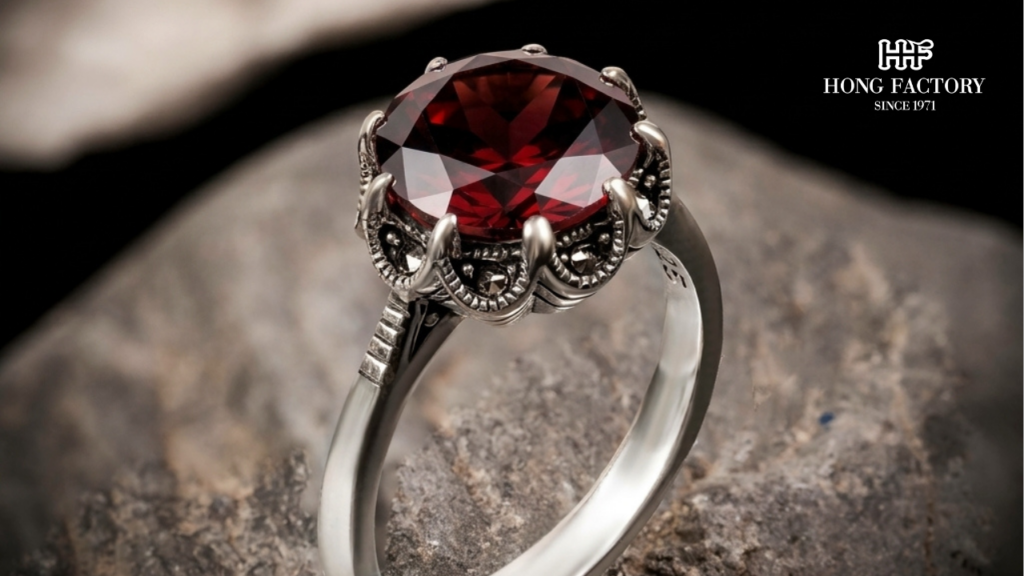
Garnet Gemstone: Meaning, Colors and Jewelry Guide
Garnet is a popular gemstone family known for its [...]
Sep
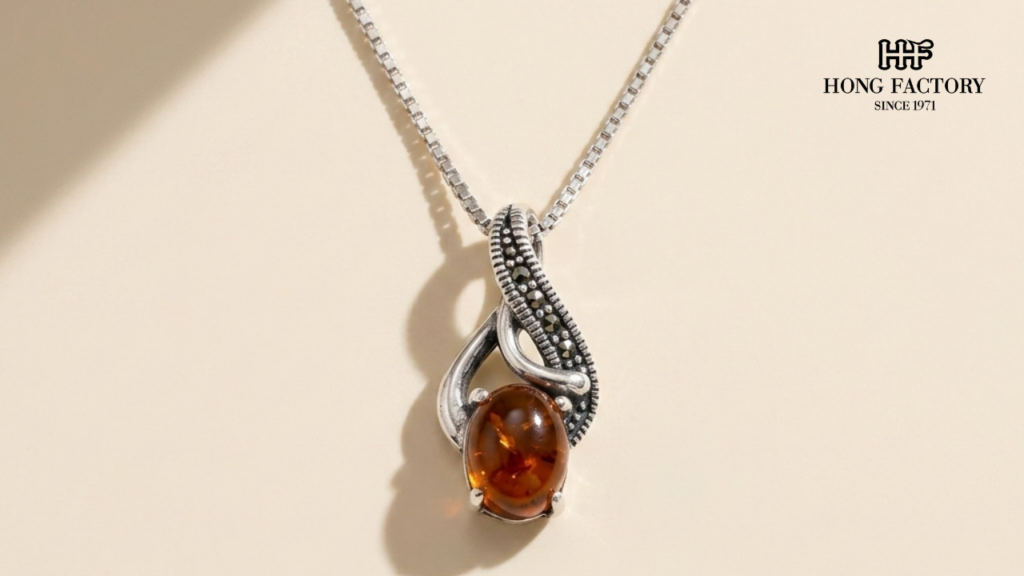
Citrine Gemstone: Meaning, Color and Jewelry Guide
Citrine is a popular gemstone known for its warm [...]
Sep
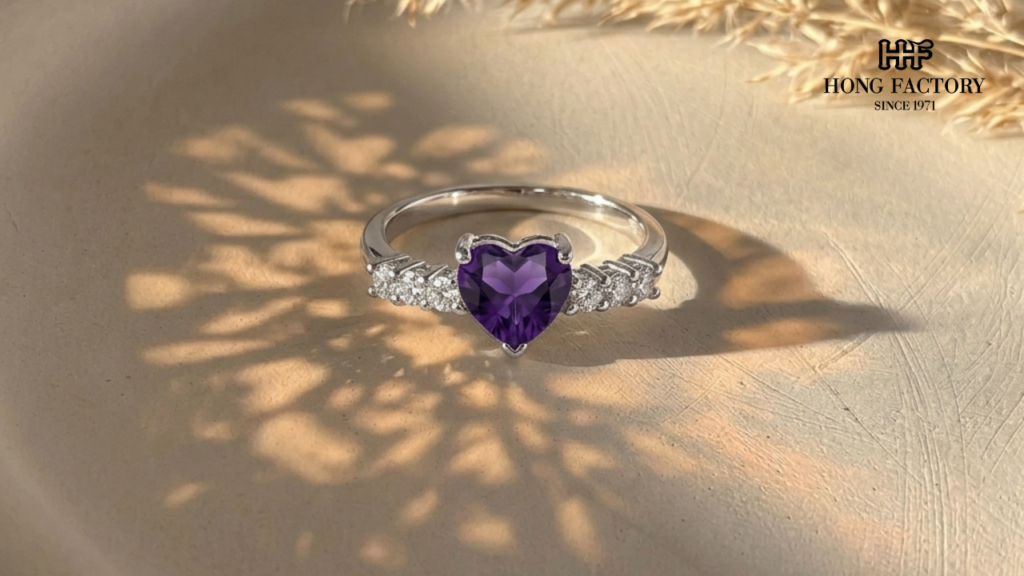
Amethyst Gemstone: Meaning, Color and Jewelry Guide
Amethyst is a popular gemstone known for its beautiful [...]
Sep
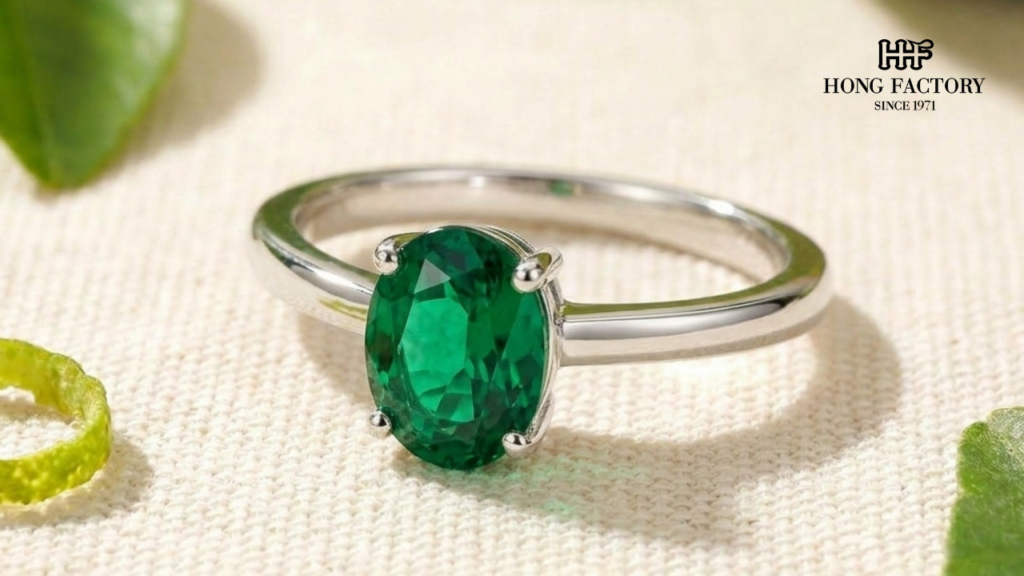
Emerald Gemstone: Meaning, Color and Jewelry Guide
Emerald is a popular gemstone known for its rich [...]
Sep
Sapphire Gemstone: Meaning, Colors and Jewelry Guide
Sapphire is a popular gemstone known for its beauty, [...]
Sep