
Rhodium plating is applied to sterling silver jewelry to improve its appearance, durability, and resistance to tarnishing. This thin coating gives silver a bright, reflective finish while helping protect it from scratches and discoloration.
Sterling silver 925 contains 92.5% pure silver and 7.5% other metals, usually copper. Although attractive and durable, it can tarnish when exposed to air, moisture, cosmetics, perfumes, and chemicals. Rhodium plating helps reduce these effects while preserving the versatility of sterling silver.
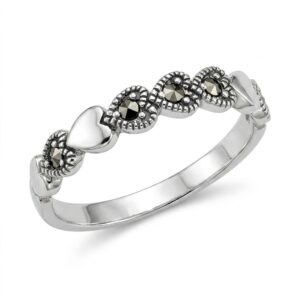
What Is Rhodium?
Rhodium is a rare, silvery-white metal from the platinum group. It is highly reflective, corrosion-resistant, and harder than sterling silver.
Because rhodium is expensive, it is usually applied as a thin coating over metals such as sterling silver, white gold, or platinum. The jewelry is cleaned, polished, and coated through an electroplating process.
Benefits of Rhodium Plating
Rhodium plating provides:
- A brighter white appearance
- Greater resistance to tarnishing
- Improved surface hardness
- Better resistance to minor scratches
- A smoother, more reflective finish
- Reduced exposure to the underlying alloy
The coating does not make sterling silver maintenance-free, but it can help the jewelry retain its polished appearance for longer.
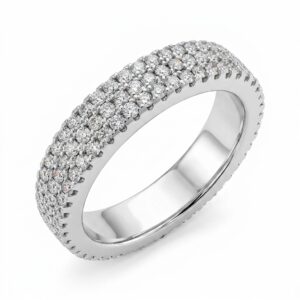
Creates a Bright Finish
Rhodium has a cool-white color and a highly reflective surface. Rhodium-plated sterling silver often looks brighter, whiter, and more modern than untreated silver.
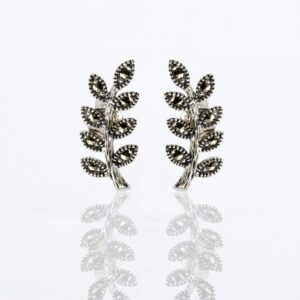
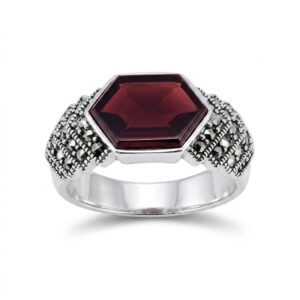
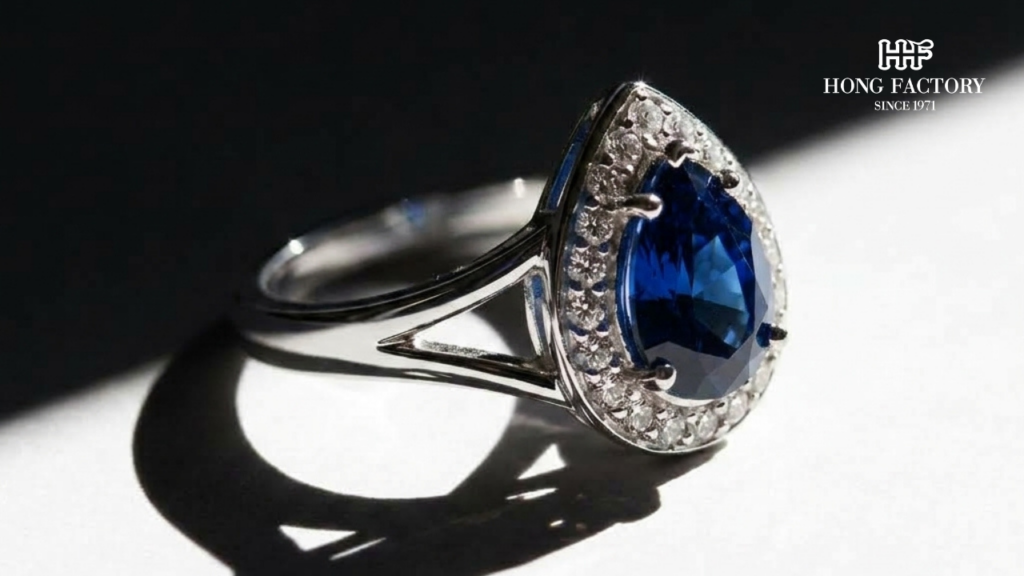
This finish can also enhance gemstones, crystals, cubic zirconia, diamonds, and marcasite by creating a bright background that emphasizes their sparkle.
Helps Reduce Tarnishing
Untreated sterling silver can darken or develop gray, yellow, or black areas as it reacts with sulfur and other substances. Rhodium creates a barrier that reduces direct contact between the silver and the environment.
However, the protection is not permanent. Once the coating becomes thin or wears away, the exposed sterling silver may begin to tarnish normally.

Improves Durability
Rhodium is harder than sterling silver, so it can provide additional resistance to minor scratches and abrasions. This is especially useful for rings, bracelet edges, pendant surfaces, and raised decorative details.
Rhodium plating is not scratch-proof. Strong impact, friction, abrasive materials, and improper storage can still damage the jewelry.
Enhances Gemstone and Marcasite Jewelry
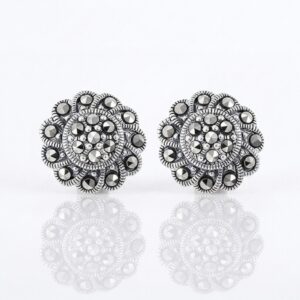
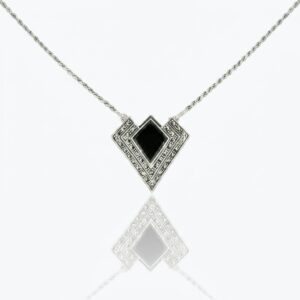
The bright surface of rhodium complements gemstones and marcasite. It can make intricate patterns, floral motifs, geometric designs, and vintage-inspired settings appear sharper and more defined.
In marcasite jewelry, the reflective silver-colored background creates contrast with the darker, sparkling stones.
May Reduce Skin Contact with the Alloy
Rhodium can create a barrier between the skin and the underlying sterling silver. This may help some people who are sensitive to certain metals.
However, it is not a guaranteed solution for metal allergies. The coating can wear away, and other components such as clasps, posts, solder, or settings may contain different metals. Anyone with a known allergy should ask about the complete material composition.
How Rhodium Plating Is Applied
A typical process includes:
- Inspecting and repairing the jewelry
- Cleaning and degreasing the surface
- Polishing the sterling silver
- Removing residue
- Applying rhodium through electroplating
- Rinsing, drying, and inspecting the piece
Rings often require special attention because they experience more friction than earrings or pendants.
Rhodium Plating Is Not Permanent
Rhodium is durable, but the plating is only a thin surface layer. It wears away faster on jewelry that is worn frequently, especially rings.
The rate of wear depends on:
- Frequency of use
- Plating thickness
- Contact with water and chemicals
- Exposure to cosmetics and perfumes
- Friction from other jewelry
- Individual skin chemistry
- Cleaning and storage habits
Signs of wear may include a warmer silver tone, yellowish or gray areas, darkened edges, uneven color, scratches, or increased tarnishing. In many cases, a jeweler can clean, polish, and re-plate the piece.
Care for Rhodium-Plated Sterling Silver
To extend the life of the coating:
- Remove jewelry before swimming, bathing, or exercising
- Avoid perfumes, cosmetics, and household chemicals
- Store each piece separately
- Wipe it gently with a soft, lint-free cloth
- Keep it dry when not in use
- Avoid abrasive cleaners and silver dips
Clean the jewelry gently with mild soap and lukewarm water when necessary, then dry it thoroughly. Traditional silver polishing cloths may be too abrasive and can gradually remove the coating.
Rhodium-Plated vs. Untreated Sterling Silver
Untreated sterling silver offers a warmer, more traditional appearance and can develop an attractive patina. It is also easy to polish and works well with antique or oxidized finishes.
Rhodium-plated sterling silver offers a brighter white appearance, greater tarnish resistance, improved surface hardness, and a more modern finish.
The best choice depends on the desired style. Vintage-inspired designs may suit untreated or oxidized silver, while contemporary jewelry often benefits from rhodium’s reflective appearance.
Quality Considerations
High-quality rhodium plating should have:
- Even color
- A smooth, reflective surface
- No visible patches, peeling, or bubbling
- Clean edges
- Secure gemstone settings
- Properly finished solder joints
Rhodium cannot correct poor construction, loose stones, rough edges, or weak settings. For gemstone and marcasite jewelry, inspect the stones carefully to ensure they are secure and free from excess plating residue.
Conclusion
Rhodium plating gives sterling silver jewelry a brighter appearance, improved surface durability, and greater resistance to tarnishing. Its cool, reflective finish works especially well with gemstones, marcasite, and modern designs.
Because the coating eventually wears away, proper care is important. Protect the jewelry from chemicals, moisture, abrasion, and harsh cleaners. When necessary, professional cleaning and re-plating can restore its original appearance.
Rhodium-plated sterling silver combines the affordability and workability of sterling silver with the bright, protective qualities of rhodium, making it a practical choice for polished white-metal jewelry.



Jewelry Blog
Why Rhodium Plating Is Used on Sterling Silver Jewelry
Rhodium plating is applied to sterling silver jewelry to [...]
Sep

Why Sterling Silver 925 Is Popular for Jewelry Manufacturing
Sterling silver 925 is one of the most widely [...]
Sep
Inside a Jewelry Factory: How Sterling Silver Jewelry Is Made
Sterling silver jewelry may look delicate and effortless, but [...]
Sep
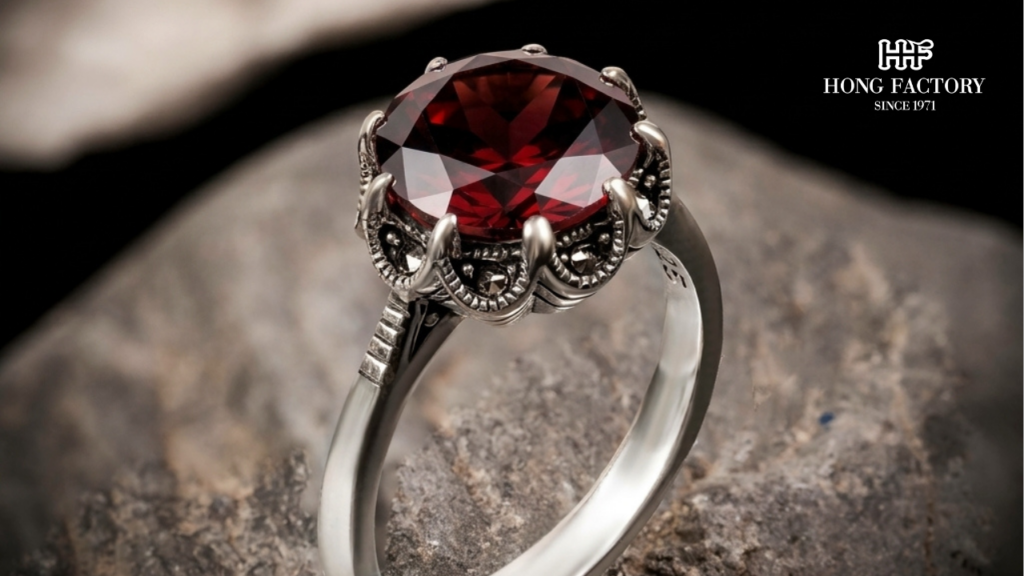
Garnet Gemstone: Meaning, Colors and Jewelry Guide
Garnet is a popular gemstone family known for its [...]
Sep
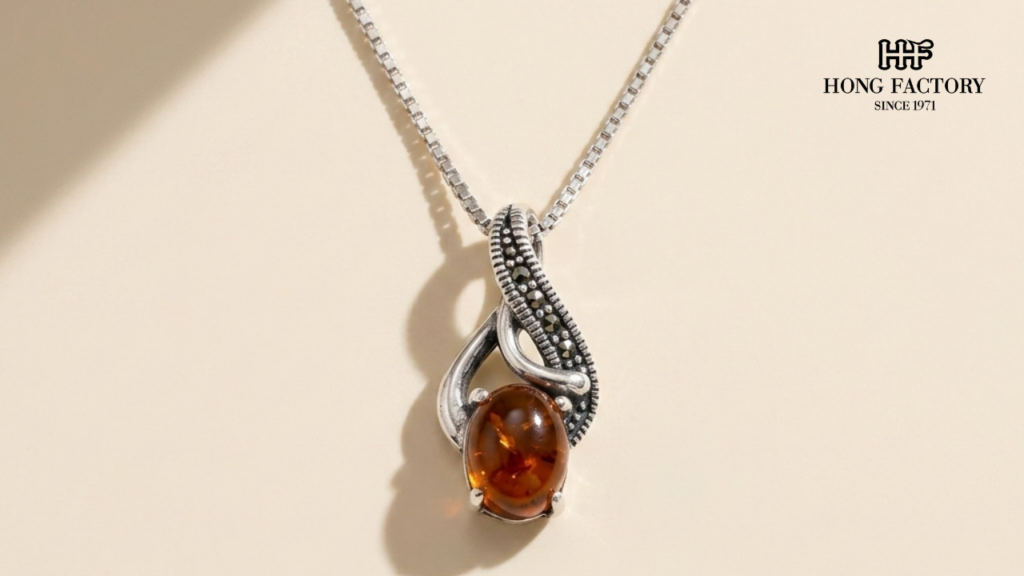
Citrine Gemstone: Meaning, Color and Jewelry Guide
Citrine is a popular gemstone known for its warm [...]
Sep
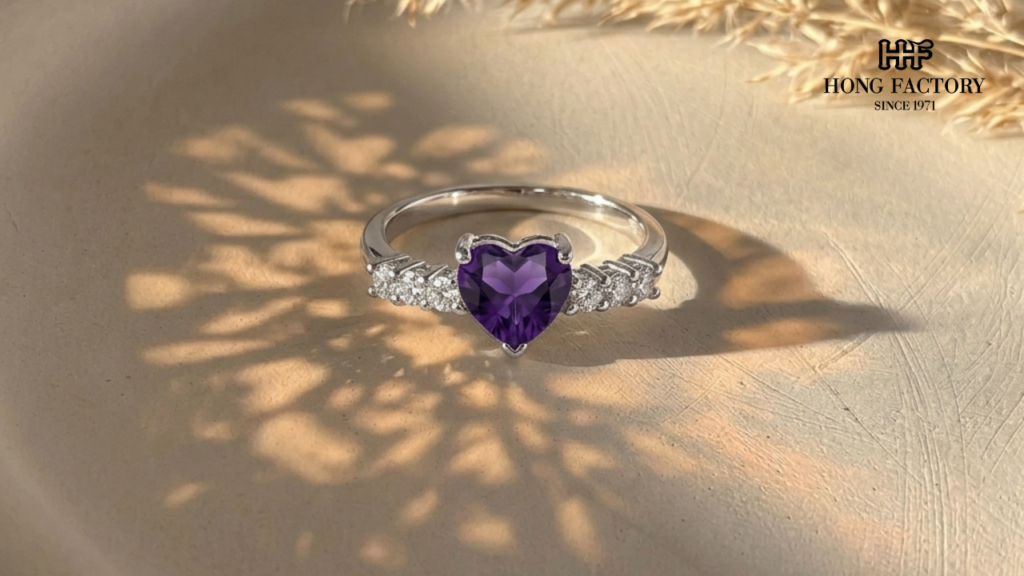
Amethyst Gemstone: Meaning, Color and Jewelry Guide
Amethyst is a popular gemstone known for its beautiful [...]
Sep
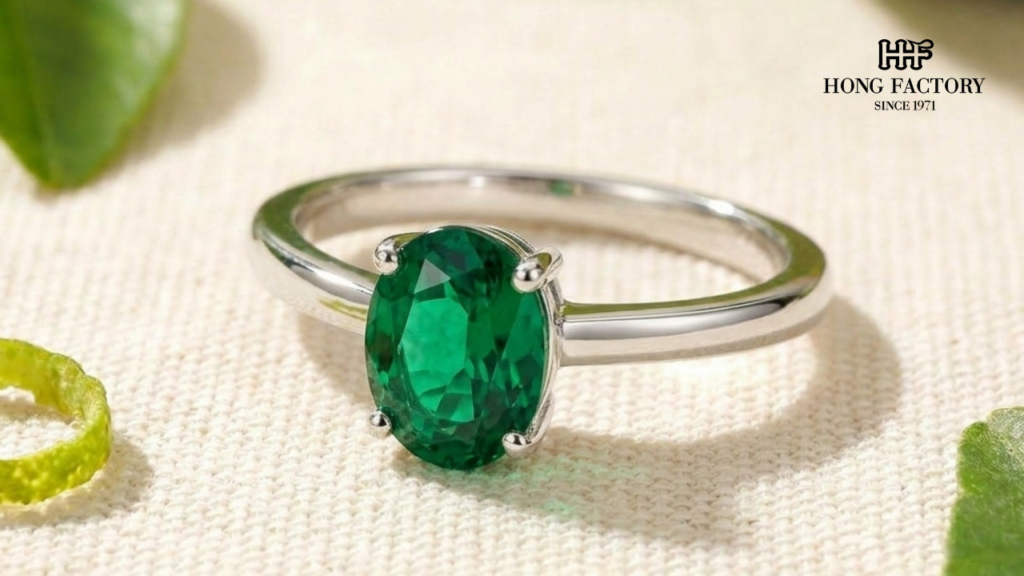
Emerald Gemstone: Meaning, Color and Jewelry Guide
Emerald is a popular gemstone known for its rich [...]
Sep
Sapphire Gemstone: Meaning, Colors and Jewelry Guide
Sapphire is a popular gemstone known for its beauty, [...]
Sep