

Sterling silver jewelry tarnishes when the metal reacts with substances in its environment, causing the surface to darken or lose its shine. This natural chemical reaction can create gray, yellow, brown, or black discoloration over time.
Tarnishing does not mean the jewelry is damaged or fake. It is a normal characteristic of sterling silver and can usually be removed with proper cleaning and care.
What Is Sterling Silver?
Sterling silver 925 contains 92.5% pure silver and 7.5% other metals, usually copper. Pure silver is relatively resistant to tarnishing, but it is too soft for many types of jewelry. Adding other metals makes sterling silver stronger and more durable.
However, these additional metals can react more readily with air, moisture, sulfur, and chemicals. This is why sterling silver may tarnish faster than pure silver.
Exposure to Air and Sulfur
One of the main causes of sterling silver tarnish is exposure to sulfur compounds in the air. Silver reacts with sulfur to form silver sulfide, a dark substance that appears as gray, brown, or black discoloration.
Sulfur can be present in:
- Air pollution
- Natural gas
- Rubber products
- Wool and certain fabrics
- Paper and cardboard
- Some household materials
- Foods such as eggs and onions
Even when jewelry is stored carefully, small amounts of sulfur in the surrounding environment can gradually affect the surface.
Moisture and Humidity
Humidity can accelerate tarnishing by creating conditions that allow chemical reactions to occur more easily. Jewelry exposed to sweat, rain, steam, or damp storage may darken faster than pieces kept dry.
Common sources of moisture include:
- Showering and bathing
- Swimming
- Exercise and perspiration
- Humid weather
- Hot tubs and saunas
- Storing jewelry in bathrooms
Moisture does not directly cause all tarnish, but it can speed up the reaction between sterling silver and other substances.
Contact with Skin and Sweat
Skin oils and perspiration can contribute to tarnishing. Sweat contains salts, acids, and other compounds that may react with the copper and silver in the alloy.
Some people notice that their jewelry tarnishes more quickly than others because individual skin chemistry varies. The same ring may remain bright on one person while darkening faster when worn by someone else.
Tarnishing may also be more noticeable on rings, bracelets, and necklaces because these pieces remain in frequent contact with the skin.
Cosmetics, Lotions, and Perfume
Beauty and personal-care products can leave residues on sterling silver and accelerate discoloration. Perfume, lotion, sunscreen, makeup, hair products, and hand creams may contain oils, alcohols, acids, or other chemicals that affect the metal.
To reduce exposure, apply cosmetics and fragrance before putting on jewelry. Allow products to dry fully before wearing sterling silver pieces.
Household Chemicals and Cleaning Products
Sterling silver can tarnish or become damaged when exposed to household chemicals. Chlorine, bleach, ammonia, detergents, and other cleaning products may react with the metal or weaken its surface.
Remove sterling silver jewelry before:
- Cleaning the house
- Washing dishes
- Using bleach or disinfectants
- Handling chemicals
- Gardening
- Working with solvents
Even small amounts of chemical residue can contribute to discoloration over time.
Chlorine and Salt Water
Swimming pools and hot tubs often contain chlorine, which can react strongly with sterling silver. Repeated exposure may cause tarnishing, dullness, pitting, or other surface damage.
Salt water can also leave deposits on the jewelry and increase exposure to moisture and minerals. Remove sterling silver rings, bracelets, necklaces, and earrings before swimming in pools, hot tubs, lakes, or the ocean.
Food and Other Substances
Certain foods and materials contain sulfur or acidic compounds that may affect sterling silver. Handling foods such as eggs, onions, mustard, and some seafood can leave residues on rings and bracelets.
Other substances that may contribute to tarnishing include:
- Vinegar
- Salt
- Acidic cleaners
- Rubber
- Latex
- Some adhesives
- Certain fabrics and packaging materials
Wash and dry your hands before wearing jewelry when handling substances that may react with silver.
Storage Conditions
Improper storage can make tarnishing happen more quickly. Leaving sterling silver exposed to air, humidity, and contaminants allows the surface to react continuously with its surroundings.
To slow tarnishing:
- Store jewelry in a cool, dry place
- Keep each piece in a separate pouch or compartment
- Use an airtight bag or jewelry box when possible
- Add an anti-tarnish strip to the storage container
- Avoid storing jewelry in bathrooms
- Keep silver away from rubber, paper, and wool materials
Separate storage also helps prevent scratches and friction between pieces.
Why Some Sterling Silver Tarnishes Faster
Several factors influence how quickly jewelry tarnishes:
- The amount of copper in the alloy
- Individual skin chemistry
- Frequency of wear
- Exposure to moisture and chemicals
- Local humidity and air quality
- Storage conditions
- Contact with other materials
- Whether the jewelry has a protective coating
Rings and bracelets often tarnish faster than earrings or pendants because they experience more contact with skin, water, surfaces, and household products.
Does Rhodium Plating Prevent Tarnish?
Rhodium plating can reduce tarnishing by creating a protective barrier over the sterling silver. It also gives the jewelry a bright, reflective white finish.
However, rhodium plating is not permanent. Friction, chemicals, moisture, and regular wear can gradually remove the coating. Once the underlying sterling silver becomes exposed, it may begin to tarnish normally.
Rhodium-plated jewelry should still be kept dry, protected from chemicals, and stored carefully.
How to Remove Tarnish
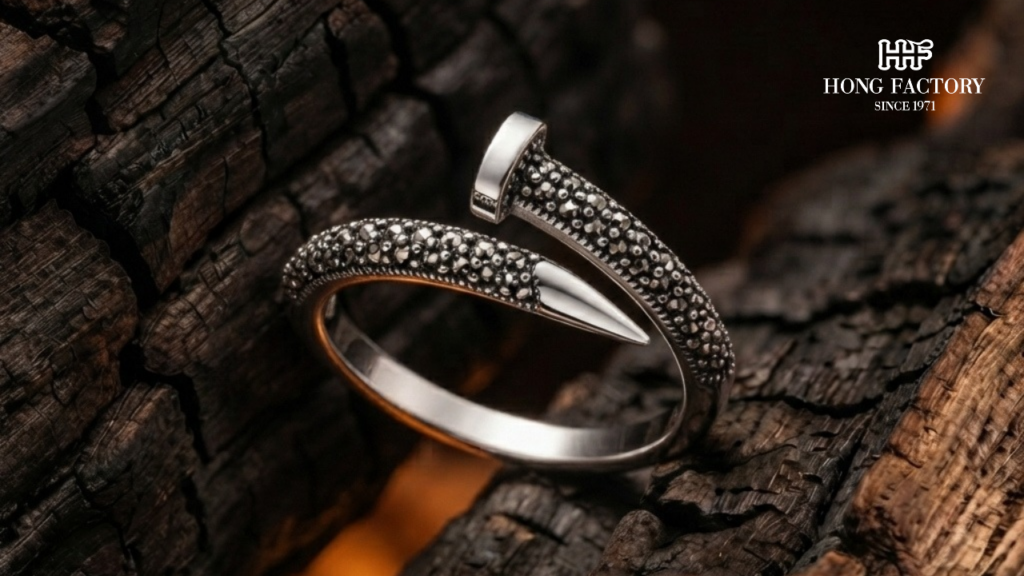
Light tarnish can often be removed with a soft polishing cloth designed for sterling silver. Rub gently rather than applying excessive pressure, especially on pieces with gemstones, marcasite, oxidized details, or delicate finishes.
For more thorough cleaning:
- Use lukewarm water and a small amount of mild soap
- Clean gently with a soft cloth or brush
- Rinse away all soap residue
- Dry the jewelry completely
- Polish lightly if appropriate
Avoid abrasive cleaners, harsh chemicals, and silver dips unless the manufacturer specifically recommends them. These products may damage gemstones, remove intentional oxidation, loosen decorative details, or wear away rhodium plating.
For valuable, intricate, or heavily tarnished jewelry, professional cleaning may be the safest option.
How to Prevent Sterling Silver Tarnish
You can slow tarnishing by following a few simple habits:
- Put jewelry on after applying cosmetics and perfume
- Remove it before bathing, swimming, or exercising
- Keep it away from household chemicals
- Wipe it with a soft cloth after wearing
- Store it in a dry, airtight container
- Avoid exposing it to rubber, wool, and untreated paper
- Clean it gently when tarnish first appears
- Store pieces separately to prevent scratches
Regular care is usually more effective than waiting until heavy tarnish has developed.
Tarnish Does Not Mean Poor Quality
Tarnishing is a natural reaction associated with sterling silver. It does not necessarily indicate poor craftsmanship, low quality, or counterfeit metal.
Authentic sterling silver may tarnish because of its composition and environmental exposure. With proper cleaning and storage, most tarnished pieces can regain much of their original shine.
Sterling silver jewelry tarnishes when it reacts with sulfur, moisture, sweat, cosmetics, perfumes, household chemicals, chlorine, salt, and other substances. The copper in sterling silver helps make the metal durable but also makes it more reactive than pure silver.
Tarnishing can be reduced by keeping jewelry dry, removing it before exposure to chemicals or water, storing it properly, and cleaning it gently. With consistent care, sterling silver rings, necklaces, bracelets, earrings, gemstone pieces, and marcasite jewelry can remain attractive and wearable for many years.



Jewelry Blog
Why Choose a Thailand Silver Jewelry Manufacturer for Your Wholesale Business?
Choosing the right jewelry manufacturer is an important decision [...]
Nov
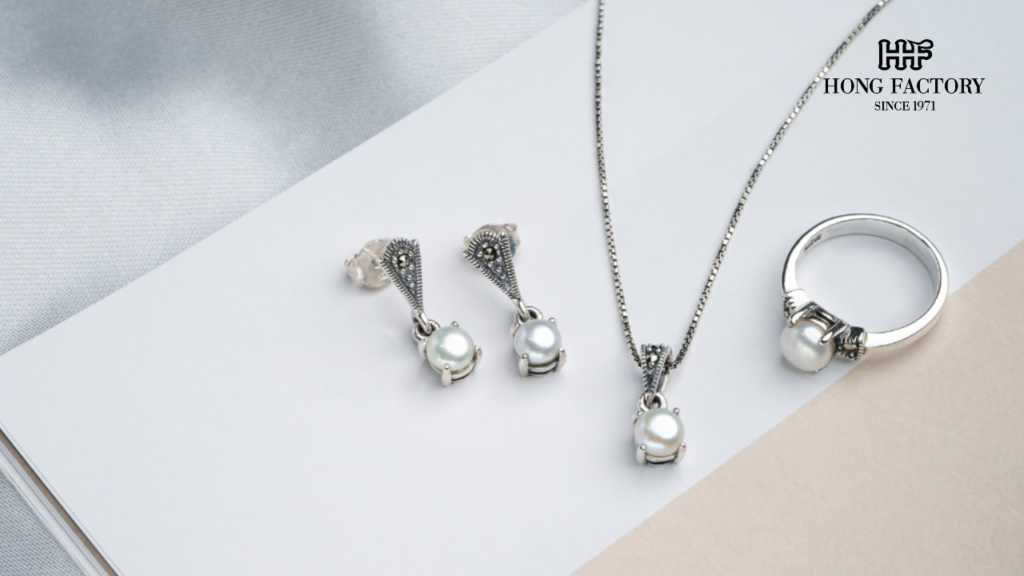
Best Sterling Silver Jewelry Gifts for Women
Finding the perfect gift for a woman can be [...]
Nov
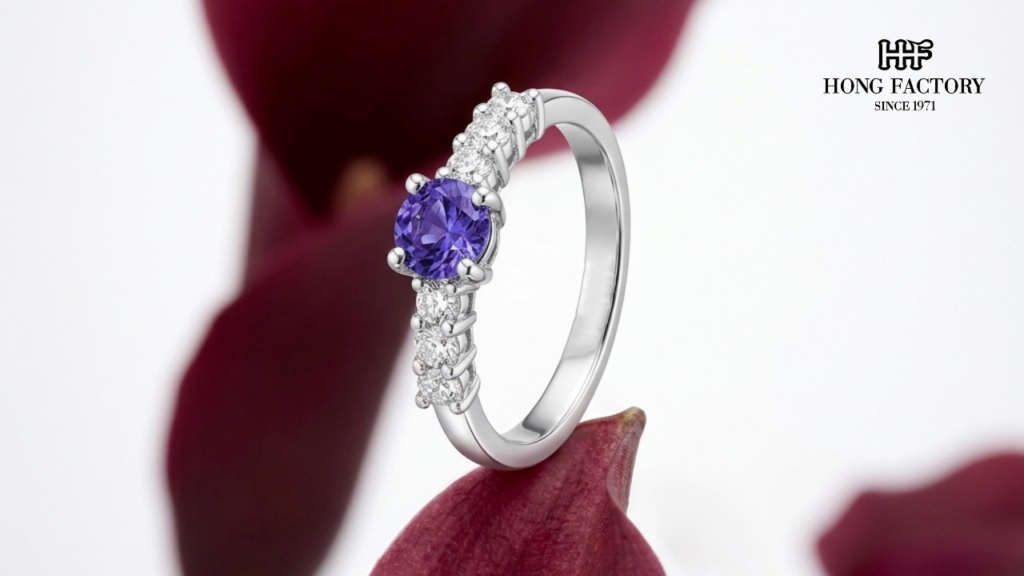
Marcasite Jewelry for the Holidays: Timeless Designs with Vintage Charm
The holiday season is a wonderful time to celebrate [...]
Nov
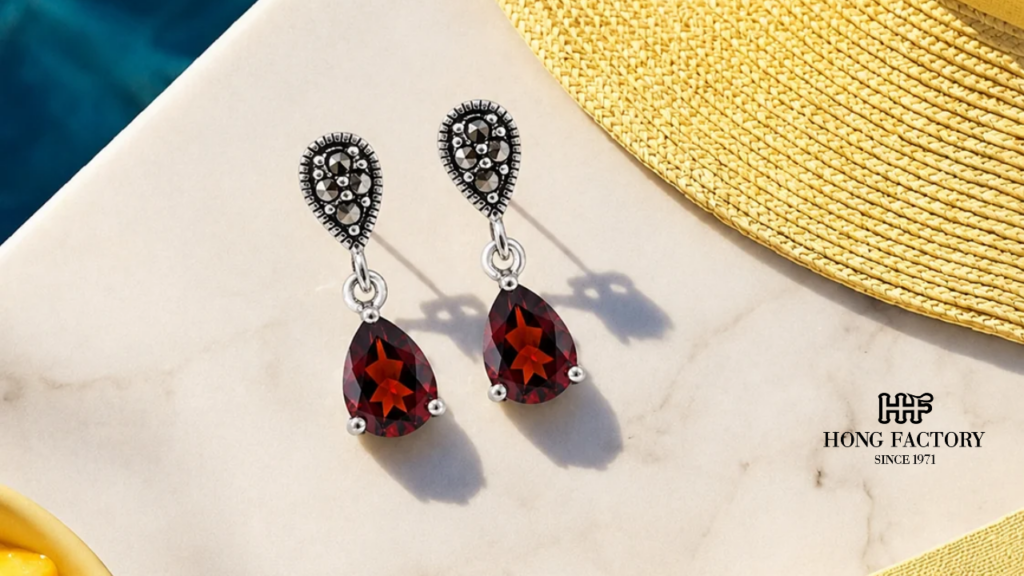
Beautiful Sterling Silver Earrings for Christmas Gifts
Christmas is a special time of the year when [...]
Nov
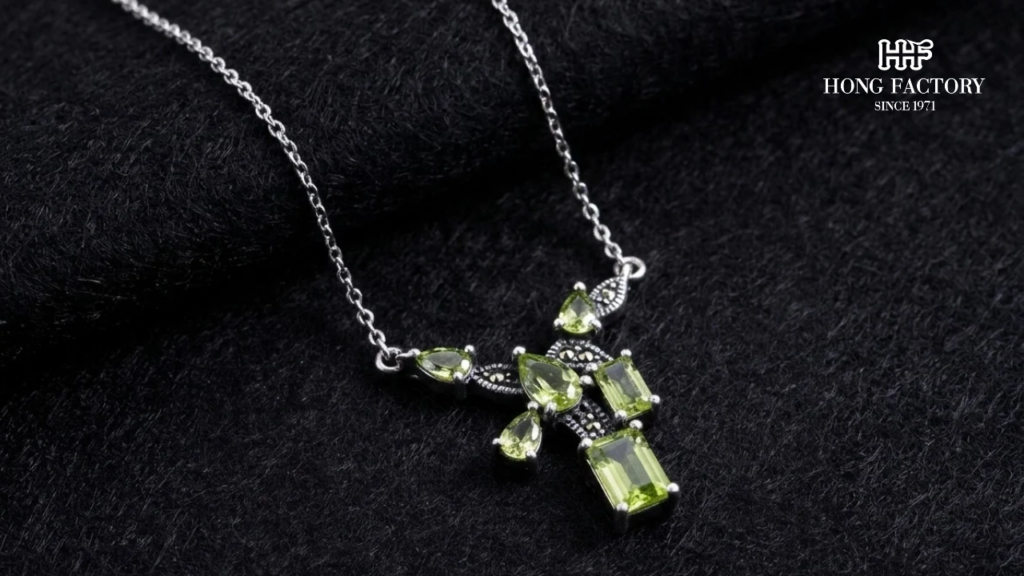
Silver Necklaces and Pendants: Meaningful Christmas Gifts for Women
Christmas is a special time of year when people [...]
Nov
Why Choose a Thailand Silver Jewelry Manufacturer for Your Wholesale Business?
Introduction Choosing the right jewelry manufacturer is an important [...]
Nov
Understanding 925 Sterling Silver: Quality, Materials, and Manufacturing SEO Title: Understanding 9
Introduction Silver has been used to create beautiful jewelry [...]
Nov
Custom Silver Jewelry Manufacturing: From Design Ideas to Finished Products
Introduction Creating a unique jewelry collection is an exciting [...]
Nov