
Choosing jewelry that complements your skin tone can make every piece look more radiant and help create a polished, harmonious appearance. The right metal, gemstone color, and finish can enhance your natural undertones, brighten your complexion, and make your favorite accessories feel even more flattering.
Whether you are shopping for an everyday necklace, a statement ring, or a meaningful gift, understanding your skin tone can help you select jewelry that looks beautiful and feels naturally suited to you.
Why Skin Tone Matters When Choosing Jewelry
Skin tone refers to the natural color of your complexion, while undertone describes the subtle hue beneath the surface of your skin. Undertones are generally categorized as warm, cool, or neutral.
Jewelry colors can interact differently with these undertones. Warm metals may enhance golden or peachy complexions, while cool metals can complement pink or bluish undertones. Neutral undertones often suit a wide range of metals and gemstones.
There are no strict rules about which jewelry you can wear, but understanding these relationships can make it easier to find pieces that complement your natural coloring.
Jewelry for Warm Undertones
Warm undertones often have golden, peach, yellow, or olive hints. Gold jewelry tends to look especially harmonious against warm skin because its rich color echoes the natural warmth of the complexion.
Good choices include:
- Yellow gold
- Rose gold
- Copper-toned metals
- Warm-toned gemstones
- Amber
- Citrine
- Garnet
- Coral
- Turquoise
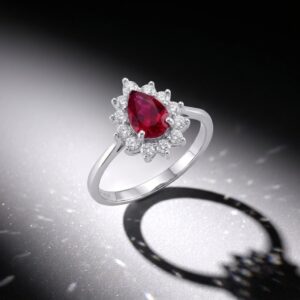
A warm gold necklace or a gemstone ring with rich red, orange, yellow, or earthy tones can add radiance to the skin.
Warm undertones can also wear sterling silver beautifully, especially when the design includes colorful gemstones or mixed-metal details. The contrast between cool silver and warm skin can create a fresh, distinctive look.

Jewelry for Cool Undertones
Cool undertones often have pink, red, or bluish hints. Silver, white gold, and platinum typically complement these complexions by creating a crisp, luminous contrast.
Consider styles such as:
- Sterling silver
- White gold
- Platinum
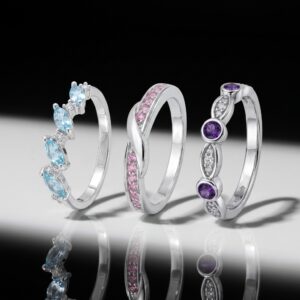
- Cool-toned gemstones
- Sapphire
- Amethyst
- Aquamarine
- Emerald
- Ruby with blue or pink undertones
A polished sterling silver bracelet or a cool-toned gemstone ring can brighten the appearance of cool skin without overpowering it.
White metals are particularly versatile for everyday jewelry and can create an elegant, refined effect when paired with clear stones or deep jewel tones.
Jewelry for Neutral Undertones
Neutral undertones combine warm and cool characteristics, making them highly versatile. People with neutral undertones can often wear both yellow and white metals with ease.
Suitable options include:
- Yellow gold
- Rose gold
- Sterling silver
- White gold
- Mixed-metal jewelry
- Neutral gemstones
- Classic pearls
- Clear crystals
Because neutral undertones work well with many colors, you can choose jewelry based on your outfit, personal style, or the mood you want to create.
Mixed-metal designs are especially appealing because they combine different finishes in one piece and make it easier to coordinate jewelry with the rest of your wardrobe.
How to Identify Your Skin Undertone
If you are unsure whether your undertone is warm, cool, or neutral, a few simple observations can help.
Look at the veins on the inside of your wrist in natural light. If they appear greenish, you may have warm undertones. If they look blue or purple, your undertones may be cool. If it is difficult to identify one dominant color, you may have neutral undertones.
You can also compare how different metals look against your skin. If yellow gold appears especially flattering, you may lean warm. If sterling silver or white gold looks more natural, you may lean cool. If both look equally appealing, you may have neutral undertones.
Another clue is how your skin reacts to sunlight. People who tan easily may have warm or olive undertones, while those who burn more readily may have cool undertones. However, this is only a general guide, and lighting can affect how your skin appears.
Consider Your Overall Skin Depth
Skin undertone is important, but the depth of your complexion can also influence which jewelry designs look most balanced.
Lighter complexions may be complemented by delicate metals, soft gemstones, and lighter finishes. Medium and olive complexions can often carry both subtle and saturated colors. Deeper complexions can beautifully showcase bright metals, bold gemstones, and high-contrast designs.
This does not mean certain jewelry colors are limited to particular skin tones. Instead, consider the contrast between the jewelry and your complexion.
A delicate pale gemstone may create a soft, understated effect, while a vivid gemstone or polished metal may create a more dramatic statement.
Choose Gemstone Colors That Complement Your Complexion
Gemstones can add color and personality to any jewelry collection. When choosing a gemstone, consider both your undertone and the intensity of the color.
Warm undertones often pair well with:
- Citrine
- Carnelian
- Garnet
- Amber
- Coral
- Yellow topaz
- Warm turquoise
Cool undertones often pair well with:
- Sapphire
- Amethyst
- Aquamarine
- Blue topaz
- Tanzanite
- Cool emerald
- Pink tourmaline
Neutral undertones can wear a broad range of gemstone colors, including both warm and cool shades.
The depth of the gemstone also matters. Pale stones create a delicate appearance, while richly saturated stones provide stronger contrast and make a statement.
Think About Metal Finish
The finish of a metal can change how it interacts with your skin tone.
Polished metals reflect more light and create a bright, noticeable effect. Brushed or matte finishes appear softer and more understated. Oxidized sterling silver offers a darker, vintage-inspired appearance that can create beautiful contrast against many complexions.
If you prefer subtle jewelry, choose a matte finish or a delicate design. If you want your jewelry to stand out, polished metals and high-contrast gemstones can create a more dramatic look.
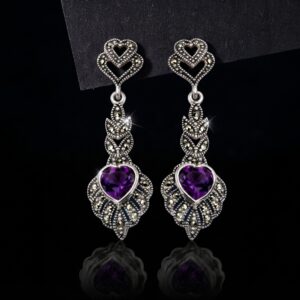
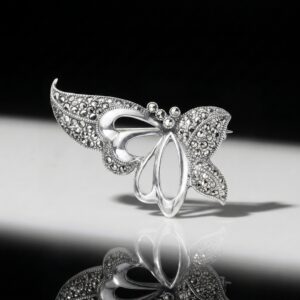
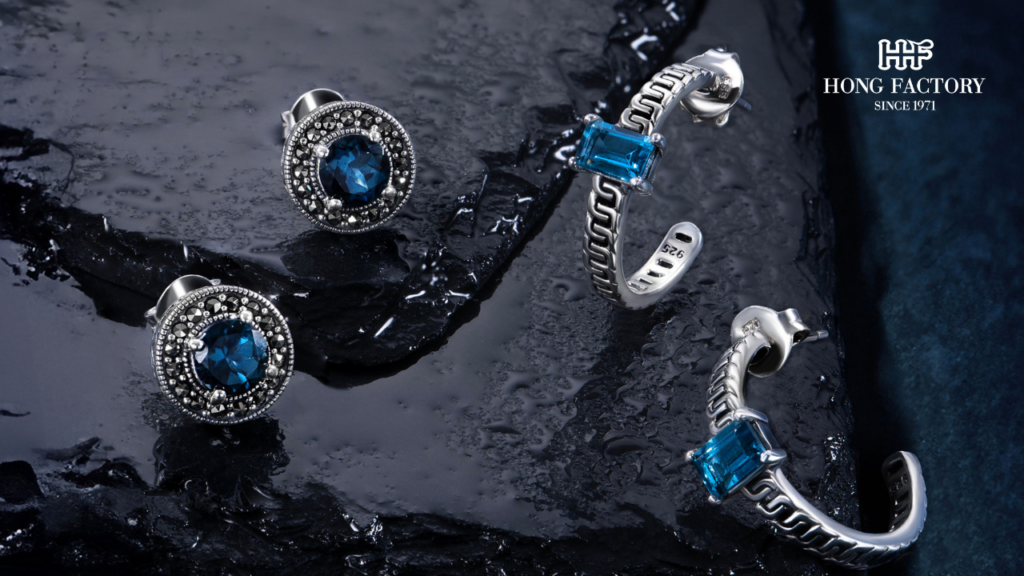
Marcasite jewelry, with its dark metallic sparkle, can be especially versatile. Its contrast works well with both warm and cool complexions and adds an elegant vintage character to rings, earrings, and pendants.
Match Jewelry to Your Clothing
Your skin tone is only one part of choosing flattering jewelry. The colors you wear can also influence how a piece looks.
Warm clothing colors such as cream, rust, mustard, olive, and brown often pair naturally with yellow gold and warm gemstones. Cool colors such as blue, lavender, gray, and icy pink often complement sterling silver, white gold, and cool-toned stones.
Neutral clothing provides a flexible backdrop for almost any jewelry color. A simple black or white outfit can make a colorful gemstone or statement metal especially noticeable.
Rather than matching every piece exactly, consider creating a balanced relationship between your jewelry, clothing, and complexion.
Consider Your Personal Style
Color guidelines can help you narrow your choices, but personal preference should always come first.
Minimalist jewelry lovers may prefer delicate sterling silver chains, simple gold bands, or small gemstone studs. Those who enjoy vintage-inspired jewelry might choose marcasite details, antique-style finishes, or ornate metalwork.
If you prefer bold accessories, a statement necklace or colorful gemstone ring can become the focal point of your outfit regardless of your undertone.
The best jewelry is ultimately the jewelry that makes you feel confident and reflects your personality.
Try Mixed Metals
You do not have to choose only one metal color. Mixing sterling silver, yellow gold, rose gold, and other finishes can create a modern, layered appearance.
Mixed-metal jewelry is also practical because it can coordinate with accessories you already own. A two-tone ring or layered necklace can bridge the gap between warm and cool metals while adding visual interest.
When combining metals, repeat each color at least once or choose a piece designed to incorporate multiple finishes. This helps the overall look feel intentional rather than mismatched.
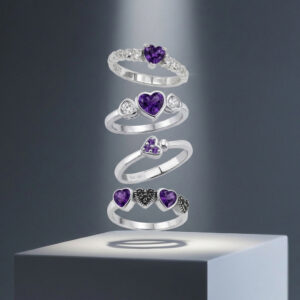
Don’t Forget Comfort and Quality
Even the most flattering jewelry should be comfortable and well made.
Choose earrings that are light enough for extended wear, necklaces with secure clasps, and rings that fit comfortably without pinching. If you have sensitive skin, look for high-quality materials and avoid metals that cause irritation.
Sterling silver, gold, platinum, and carefully finished gemstone jewelry can provide both style and durability when properly maintained.
Quality craftsmanship also affects how jewelry reflects light and interacts with your complexion. A well-polished piece will generally look more radiant and refined.
Learning how to choose jewelry for your skin tone can make shopping easier and help you discover pieces that enhance your natural coloring.
Warm undertones often pair beautifully with yellow gold, rose gold, and rich gemstone colors, while cool undertones may be complemented by sterling silver, white gold, platinum, and cool jewel tones. Neutral undertones can enjoy a wide range of metals and colors.
However, these suggestions are guidelines rather than rules. Personal style, clothing, comfort, and the design of the jewelry are equally important.
Whether you prefer a simple sterling silver ring, a warm gold necklace, an elegant gemstone design, or an intricate marcasite piece, choose jewelry that feels comfortable, reflects your personality, and makes you feel confident every time you wear it.



Jewelry Blog
How to Choose Jewelry for Your Skin Tone
Choosing jewelry that complements your skin tone can make [...]
Sep
How to Choose the Perfect Ring for Your Finger Shape
Choosing the perfect ring is about more than finding [...]
Sep
Ring Size Guide: How to Measure and Convert Ring Sizes Internationally
Buying a ring should be an exciting experience, whether [...]
Aug
Opaque vs Transparent Gemstones: How to Choose the Right Stone for Each Jewelry Type
Choosing the perfect gemstone involves more than selecting your [...]
Aug
Hardness Scale for Gemstones: Mohs Scale Explained for Jewelry Designers
Choosing the perfect gemstone is about much more than [...]
Aug
Natural vs Synthetic Gemstones: What Every Jewelry Buyer Needs to Know
When shopping for gemstone jewelry, one of the first [...]
Aug
Birthstones by Month: The Complete Guide to All 12 Gemstones
Birthstone jewelry has been cherished for centuries, combining beauty [...]
Jul
Antique Style vs Contemporary Marcasite: Which Sells Better in Your Market?
The marcasite jewelry market has evolved significantly over the [...]
Jul