The global jewelry industry continues to evolve as brands seek unique ways to differentiate themselves in an increasingly competitive marketplace. One of the most effective strategies for building a distinctive jewelry brand is through OEM Jewelry Manufacturing.
Whether you are an established jewelry retailer, an emerging designer, an e-commerce entrepreneur, or a fashion brand looking to expand into jewelry, OEM manufacturing offers the opportunity to create exclusive collections tailored to your vision and target audience.
Unlike purchasing ready-made products from wholesalers, OEM Jewelry Manufacturing allows brands to develop custom jewelry designs, control product specifications, and build a unique identity in the market.
In this complete guide, we will explore everything brands need to know about OEM Jewelry Manufacturing, including its benefits, production process, costs, challenges, and how to choose the right manufacturing partner.
What Is OEM Jewelry Manufacturing?
OEM stands for Original Equipment Manufacturer.
In the jewelry industry, OEM Jewelry Manufacturing refers to the process where a manufacturer produces jewelry based on a brand’s original designs, specifications, and requirements.
The manufacturer handles production while the brand owns the design, branding, and marketing of the finished products.
How OEM Differs from Wholesale Jewelry
Wholesale jewelry involves purchasing existing designs that are available to multiple buyers.
OEM manufacturing allows brands to create:
- Exclusive jewelry collections
- Custom designs
- Unique branding elements
- Proprietary product lines
- Distinctive packaging
This exclusivity helps brands stand out in crowded markets.
OEM vs ODM Jewelry Manufacturing
Many brands confuse OEM and ODM manufacturing.
OEM Jewelry Manufacturing
- Brand provides the design
- Manufacturer produces according to specifications
- Full customization available
- Greater brand exclusivity
ODM Jewelry Manufacturing
- Manufacturer provides existing designs
- Brand modifies selected elements
- Faster development process
- Lower design investment
For brands seeking complete control over product development, OEM Jewelry Manufacturing is often the preferred solution.
Why Brands Choose OEM Jewelry Manufacturing
The popularity of OEM Jewelry Manufacturing continues to grow because it offers several strategic advantages.
Build a Unique Brand Identity
Custom jewelry designs help brands establish a recognizable identity.
Instead of competing with identical products sold by multiple retailers, brands can offer exclusive collections that reflect their values and aesthetic.
Increase Profit Margins
Exclusive products often command higher retail prices.
Consumers are willing to pay more for unique jewelry that cannot be found elsewhere.
Strengthen Customer Loyalty
Custom collections create stronger emotional connections with customers.
When consumers associate distinctive designs with a specific brand, repeat purchases become more likely.
Greater Product Control
OEM manufacturing allows brands to control:
- Materials
- Design details
- Gemstones
- Finishing techniques
- Packaging
- Quality standards
This level of control helps maintain consistency across product lines.
The OEM Jewelry Manufacturing Process
Understanding the production process helps brands plan effectively and avoid costly delays.
Step 1: Concept Development
Every successful jewelry collection begins with an idea.
Brands typically define:
- Target audience
- Design inspiration
- Product categories
- Price positioning
- Collection objectives
Clear planning helps streamline the development process.
Step 2: Design Creation
The brand provides design concepts through:
- Sketches
- CAD files
- Technical drawings
- Reference images
Manufacturers may assist with design refinement to ensure production feasibility.
Step 3: CAD Modeling
Computer-Aided Design (CAD) technology transforms concepts into detailed digital models.
CAD files allow manufacturers to:
- Visualize designs
- Verify dimensions
- Identify production challenges
- Prepare prototypes
Step 4: Prototype Development
A sample is created before mass production begins.
Prototype evaluation allows brands to assess:
- Appearance
- Comfort
- Durability
- Stone placement
- Finishing quality
Adjustments can be made before final approval.
Step 5: Mold Creation
Once the prototype is approved, production molds are created.
These molds ensure consistency throughout manufacturing.
Step 6: Production
The manufacturing process may include:
- Casting
- Stone setting
- Polishing
- Assembly
- Quality inspection
Production timelines vary depending on complexity and order volume.
Step 7: Quality Control
Quality assurance is critical in OEM Jewelry Manufacturing.
Manufacturers inspect products for:
- Material quality
- Stone security
- Surface finishing
- Structural integrity
- Design accuracy
Step 8: Packaging and Delivery
Finished products are packaged according to brand requirements before shipment.
Many manufacturers also offer private label packaging solutions.
Key Materials Used in OEM Jewelry Manufacturing
Material selection significantly impacts product quality and market positioning.
Sterling Silver
925 sterling silver remains one of the most requested materials due to its premium appearance and affordability.
Gold-Plated Silver
Gold-plated sterling silver offers luxury aesthetics at a more accessible price point.
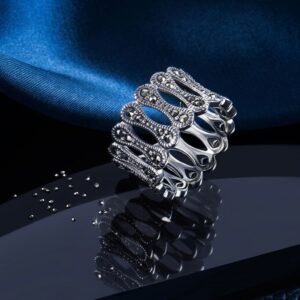
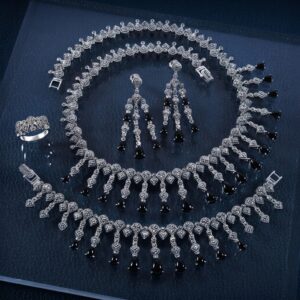
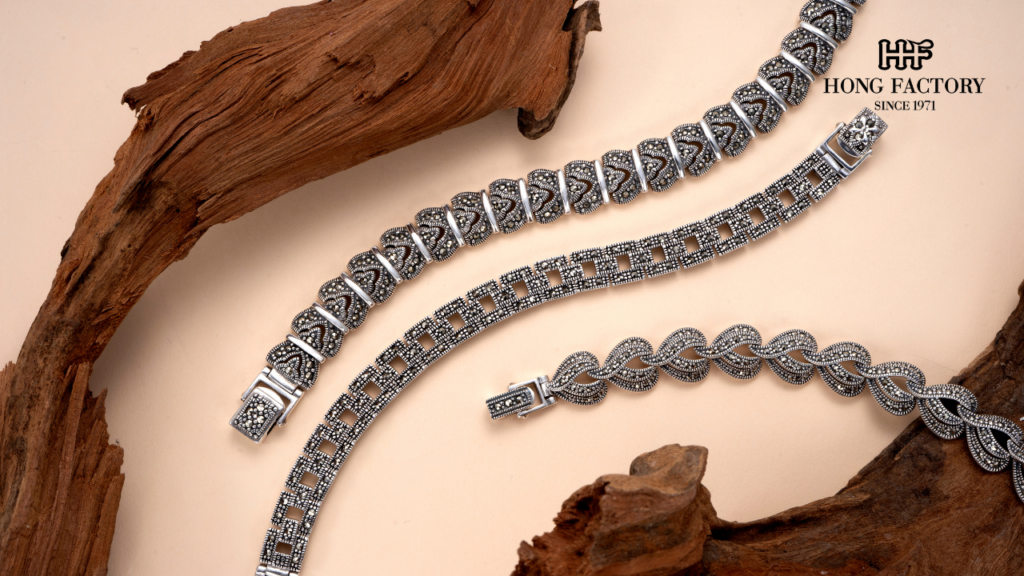
Marcasite
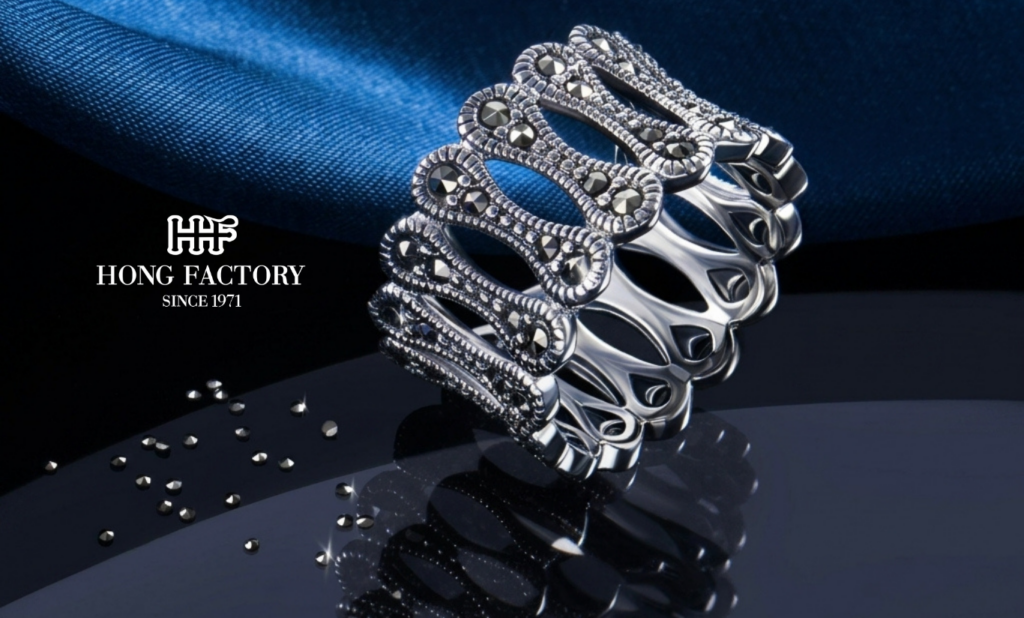
Marcasite stones are widely used in vintage-inspired jewelry collections.
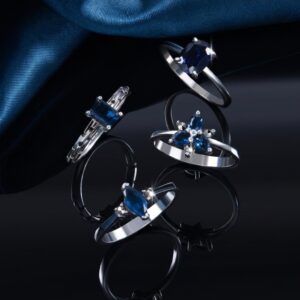
Gemstones
Popular gemstone options include:
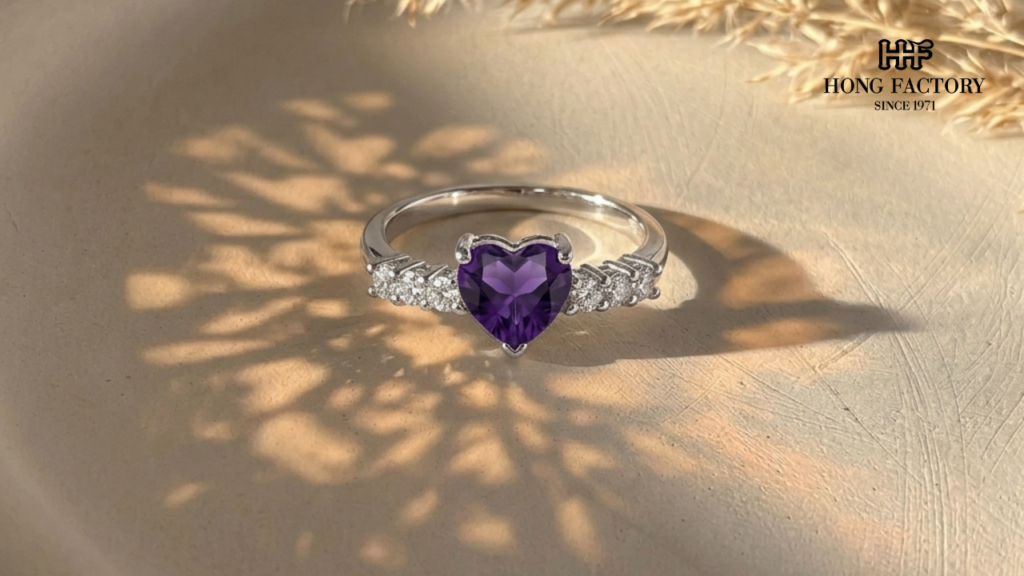
- Amethyst
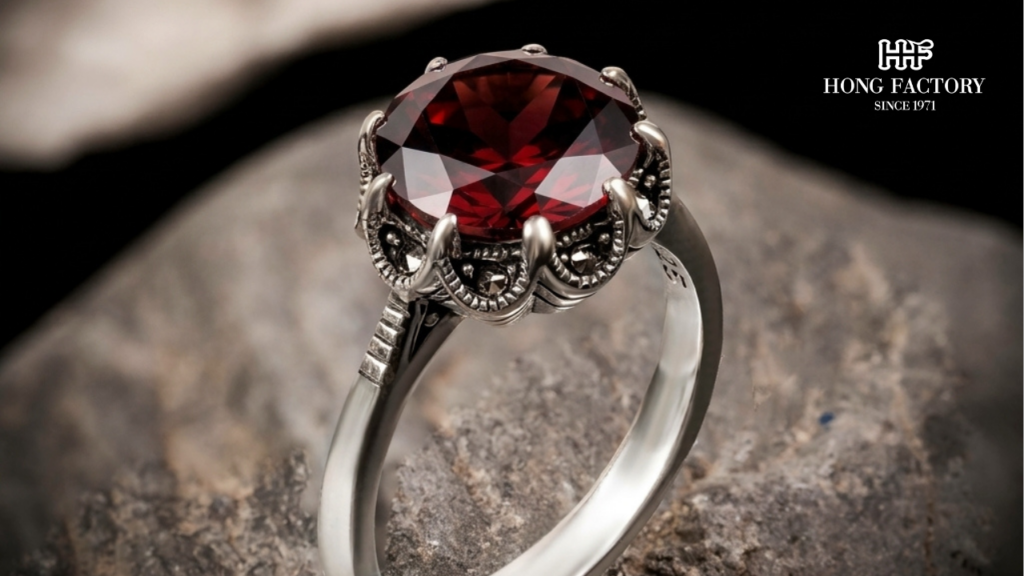
- Garnet
- Topaz
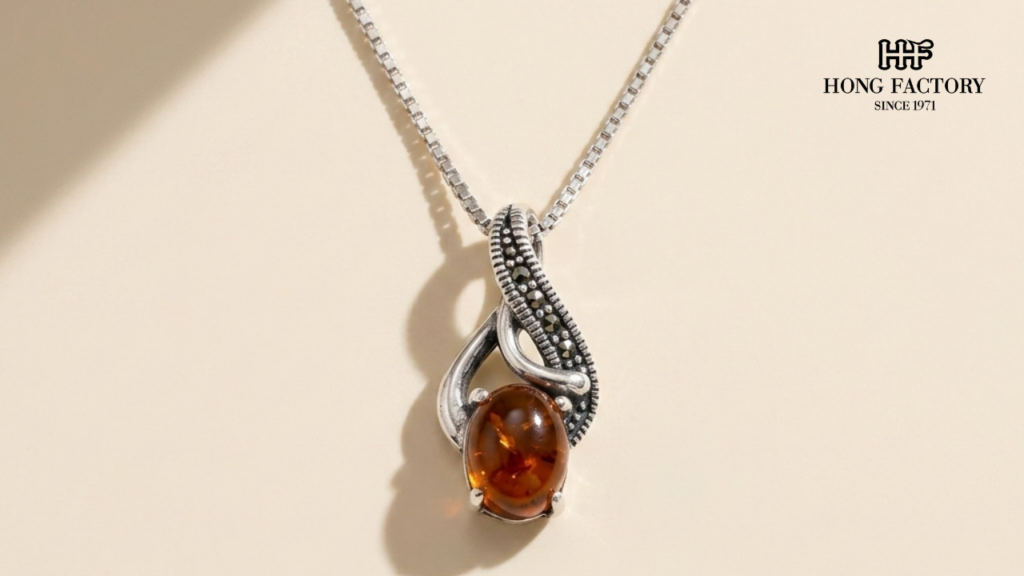
- Citrine
- Peridot
- Cubic zirconia
Material choices should align with brand positioning and customer expectations.
Understanding MOQ in OEM Jewelry Manufacturing
MOQ stands for Minimum Order Quantity.
Most manufacturers establish MOQ requirements to ensure production efficiency.
Factors Affecting MOQ
MOQ may vary based on:
- Design complexity
- Material selection
- Production methods
- Packaging requirements
How Brands Can Manage MOQ
New brands can reduce risk by:
- Starting with smaller collections
- Focusing on best-selling categories
- Testing products before scaling
Discussing MOQ flexibility with manufacturers can help optimize investment.
Common Challenges in OEM Jewelry Manufacturing
While OEM manufacturing offers many benefits, brands should be aware of potential challenges.
Longer Development Timelines
Custom products require additional time for:
- Design development
- Sampling
- Revisions
- Production setup
Initial Investment
OEM projects often involve upfront costs for:
- Design work
- Prototypes
- Mold creation
Quality Consistency
Maintaining consistent quality requires strong quality control procedures and reliable manufacturing partners.
Proper planning helps minimize these challenges.
Benefits of Working with a Thailand-Based OEM Jewelry Manufacturer
Thailand has earned a strong reputation as a global jewelry manufacturing hub.
Skilled Craftsmanship
Thai artisans are recognized worldwide for their expertise in:
- Sterling silver jewelry
- Marcasite jewelry
- Gemstone setting
- Hand-finishing techniques
Competitive Production Costs
Thailand offers excellent value compared to many Western manufacturing markets.
Strong Export Infrastructure
Manufacturers in Thailand have extensive experience serving international buyers and jewelry brands.
Diverse Manufacturing Capabilities
Many Thai factories provide:
- OEM Jewelry Manufacturing
- ODM services
- Private label solutions
- Custom packaging
These capabilities make Thailand an attractive sourcing destination for global brands.
OEM Jewelry Manufacturing provides brands with a powerful opportunity to create exclusive collections, strengthen brand identity, and increase profitability. By developing custom jewelry designs and partnering with experienced manufacturers, businesses can differentiate themselves in a competitive marketplace while delivering unique products that resonate with consumers.
From concept development and prototyping to production and quality control, understanding the OEM process is essential for long-term success. Whether launching a new jewelry brand or expanding an existing collection, OEM Jewelry Manufacturing offers the flexibility, customization, and scalability needed to support sustainable growth.
Brands that invest in quality design, strategic planning, and reliable manufacturing partnerships will be well-positioned to succeed in the evolving global jewelry industry.



Jewelry Blog
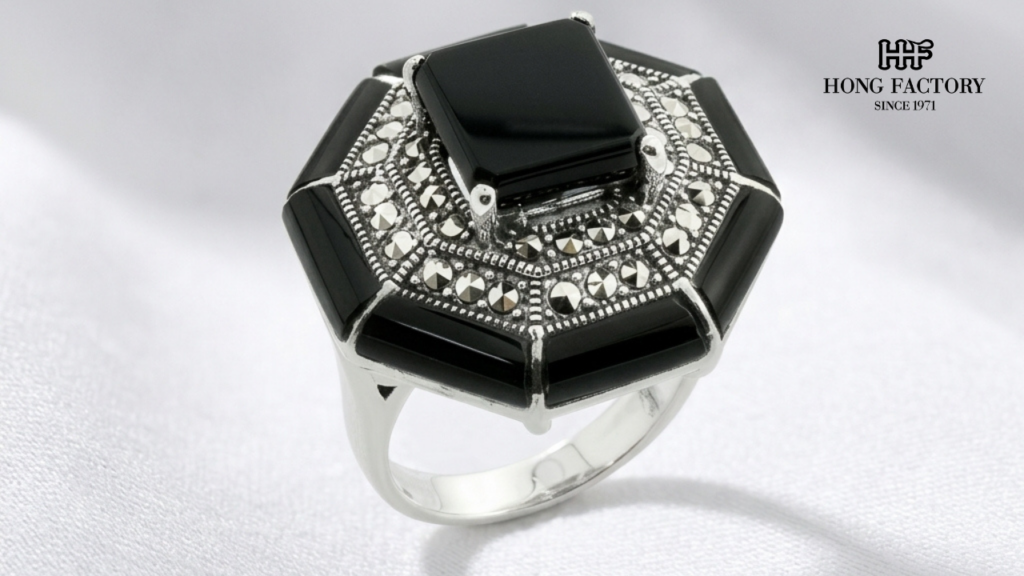
Why Rhodium Plating Is Used on Sterling Silver Jewelry
Rhodium plating is applied to sterling silver jewelry to [...]
Sep
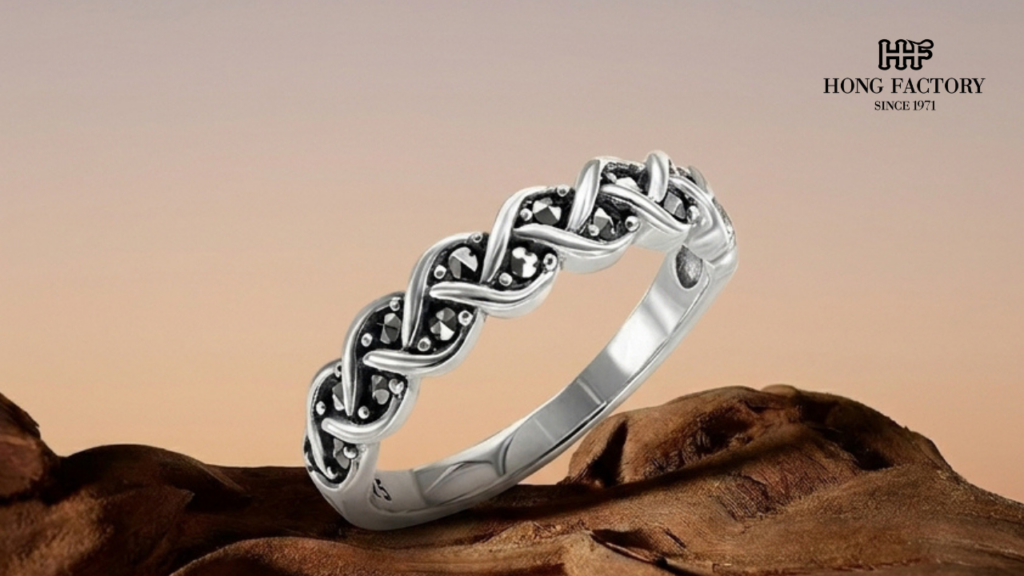
Why Sterling Silver 925 Is Popular for Jewelry Manufacturing
Sterling silver 925 is one of the most widely [...]
Sep
Inside a Jewelry Factory: How Sterling Silver Jewelry Is Made
Sterling silver jewelry may look delicate and effortless, but [...]
Sep
Garnet Gemstone: Meaning, Colors and Jewelry Guide
Garnet is a popular gemstone family known for its [...]
Sep
Citrine Gemstone: Meaning, Color and Jewelry Guide
Citrine is a popular gemstone known for its warm [...]
Sep
Amethyst Gemstone: Meaning, Color and Jewelry Guide
Amethyst is a popular gemstone known for its beautiful [...]
Sep
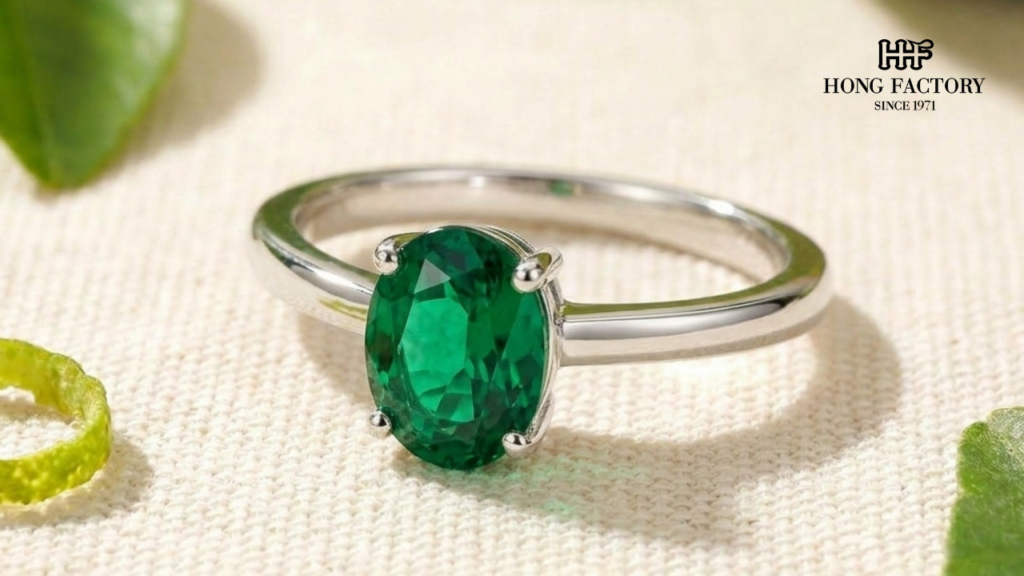
Emerald Gemstone: Meaning, Color and Jewelry Guide
Emerald is a popular gemstone known for its rich [...]
Sep
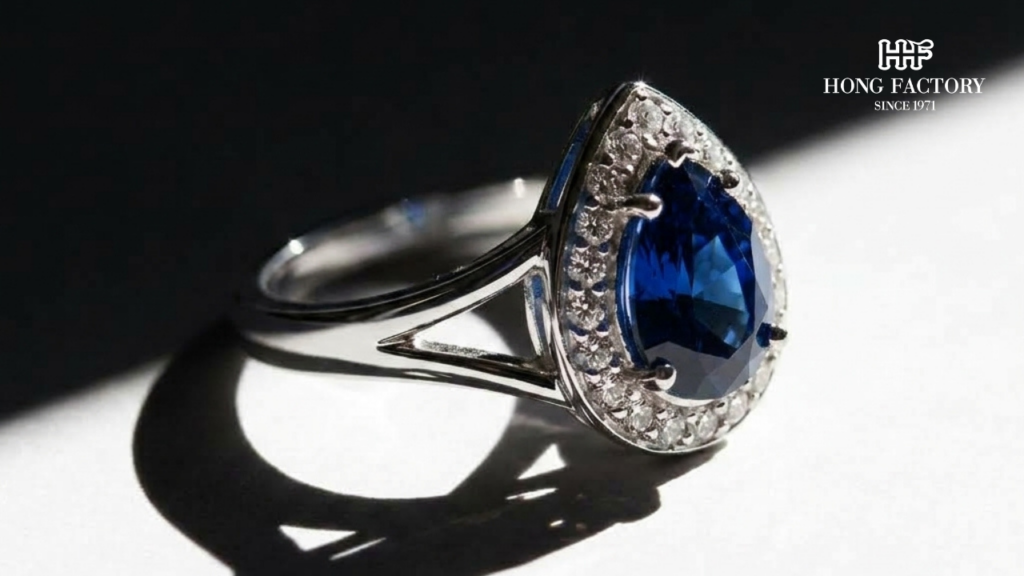
Sapphire Gemstone: Meaning, Colors and Jewelry Guide
Sapphire is a popular gemstone known for its beauty, [...]
Sep