
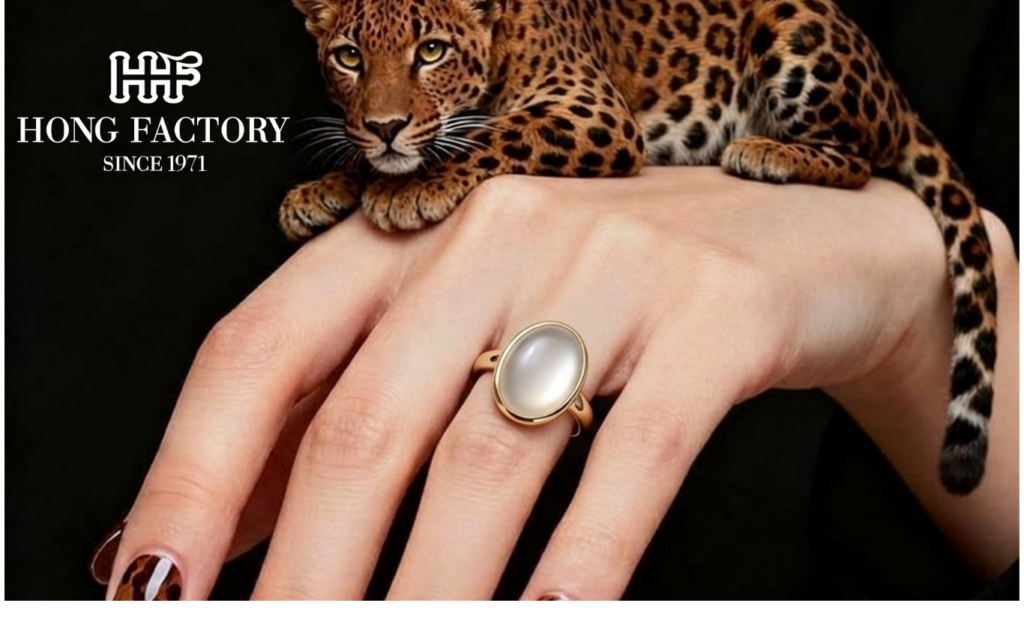
Mood rings are one of the most fascinating pieces of jewelry ever created. First popularized in the 1970s, these color-changing rings have made a strong comeback in recent years—blending nostalgia with modern fashion trends.
But beyond their stylish appearance, many people are curious about what mood rings actually do. Do they really reflect your emotions? And what do the different colors mean?
In this guide, we’ll explore how mood rings work, what each color represents, and how to choose the perfect mood ring for your style.
How Do Mood Rings Work?
Mood rings are not magical—but they are scientifically interesting.
Inside a mood ring, there is a special thermochromic element (usually liquid crystals) that reacts to changes in temperature. When your body temperature shifts, the crystals change structure, which alters how they reflect light. This creates different colors on the surface of the ring.
Because body temperature can be influenced by emotions (such as stress, excitement, or calmness), mood rings are often associated with feelings—even though they technically measure temperature rather than emotions directly.
The Science Behind Mood Rings and Emotions
Your body temperature is controlled by blood flow. When you feel relaxed or happy, your blood vessels expand slightly, increasing blood flow and warming your skin. When you are stressed or anxious, blood flow can decrease, causing your skin temperature to drop.
Mood rings respond to these subtle changes. While they don’t literally read your thoughts, they can reflect physical responses that are often linked to emotional states.
This is why mood rings feel so personal—they create a visual connection between your body and your mood.
colors on a mood ring: What Each Color Represents
Understanding the colors on a mood ring can help you interpret what your ring is “telling” you.
Here are the most common colors and their meanings:
Black
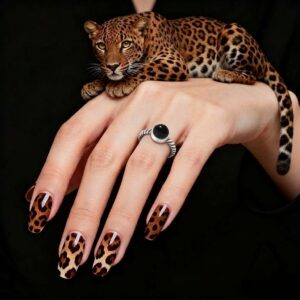
Black usually indicates that the ring is cold or not being worn. It can also suggest stress, tension, or discomfort.
Brown or Amber
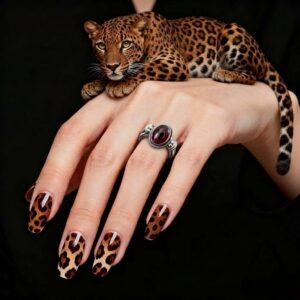
These tones may represent nervousness, restlessness, or uncertainty.
Gray
Gray is often associated with anxiety or emotional confusion.
Blue
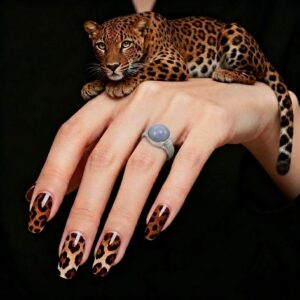
Blue is one of the most desirable colors. It typically represents calmness, relaxation, and emotional balance.
Light Blue or Turquoise
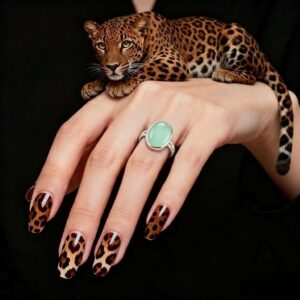
These shades often indicate happiness, curiosity, or a positive mood.
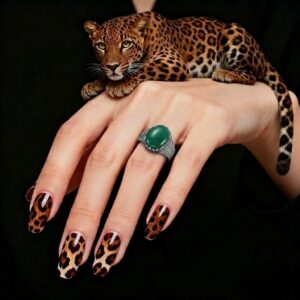
Green
Green is considered the “ideal” color for mood rings. It reflects a normal, relaxed state—neither too stressed nor overly excited.
Yellow
Yellow can indicate mixed emotions, such as excitement combined with nervousness.
Orange
Orange is often linked to enthusiasm, energy, or emotional intensity.
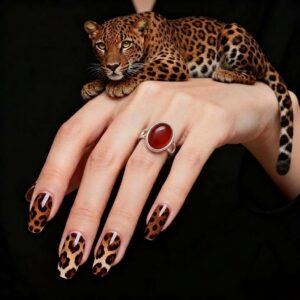
Red
Red may represent passion, strong emotions, or excitement—but can also signal stress or anger depending on context.
Purple or Violet
Purple is associated with creativity, imagination, and emotional depth.
While these meanings are widely accepted, remember that interpretation can vary slightly depending on the ring design and temperature range.
Why Mood Rings Are Trending Again
Mood rings are experiencing a major revival in modern fashion.
Today’s consumers are drawn to jewelry that feels interactive and meaningful. Mood rings offer both—combining style with a sense of personal expression.
In 2026, mood rings are no longer just novelty items. They are being reimagined with:
- Sleek modern designs
- High-quality materials like sterling silver
- Minimalist and luxury aesthetics
This makes them perfect for both everyday wear and statement pieces.
Choosing the Right Mood Ring for Your Style
If you’re thinking about adding a mood ring to your collection, here are a few tips to help you choose the right one.
Consider the Material
High-quality materials like 925 sterling silver offer durability and a premium look. They also complement the color-changing stone beautifully.
Think About Design
Mood rings now come in a wide range of styles—from classic oval stones to modern geometric shapes.
Choose a design that matches your personal style, whether it’s minimalist, vintage, or bold.
Focus on Comfort
Since mood rings respond to body temperature, they should fit comfortably on your finger. A well-fitting ring ensures accurate color changes and better wearability.
Match with Your Jewelry Collection
Mood rings can be styled with other jewelry pieces such as bracelets, necklaces, or earrings. Neutral metal tones like silver make them easy to pair with different looks.
Mood Rings in Wholesale Jewelry
For jewelry businesses, mood rings present an exciting opportunity.
Their unique concept and visual appeal make them highly attractive to customers of all ages. They are especially popular in gift markets, fashion accessories, and trend-driven collections.
At Hong Factory, mood rings can be designed using high-quality sterling silver and customized to meet global market demand. Combining classic craftsmanship with modern trends allows retailers to stand out in a competitive market.
How to Care for Your Mood Ring
Proper care is essential to maintain the beauty and functionality of your mood ring.
Here are some simple care tips:
- Avoid exposure to water for long periods
- Remove the ring before washing hands or swimming
- Keep it away from extreme heat or cold
- Store in a dry, safe place when not in use
Because mood rings contain sensitive elements, they require a bit more care than standard jewelry—but the results are worth it.
Are Mood Rings Accurate?
Mood rings are not scientific tools for measuring emotions, but they are surprisingly responsive to physical changes in your body.
Think of them as a fun and stylish way to reflect how your body reacts to your environment and feelings.
Rather than focusing on exact accuracy, enjoy the experience of seeing your ring change colors throughout the day.
The Meaning Behind the Colors
Ultimately, the beauty of mood rings lies in their symbolism.
The colors on a mood ring create a connection between your physical state and your personal expression. Whether you see blue for calmness or green for balance, each color tells a story.
This emotional connection is what makes mood rings so unique in the world of jewelry.
So, what do the colors on a mood ring mean?
They represent a fascinating blend of science, style, and self-expression. While they don’t literally read your emotions, they offer a visual reflection of how your body responds to different situations.
In today’s jewelry trends, mood rings are more than just accessories—they are conversation pieces that combine fashion with personality.
Whether you’re a jewelry lover or a business looking to expand your collection, mood rings are a timeless and engaging choice.
At Hong Factory, we bring together quality craftsmanship and modern design to create jewelry that not only looks beautiful—but also tells a story.



Jewelry Blog
Why Rhodium Plating Is Used on Sterling Silver Jewelry
Rhodium plating is applied to sterling silver jewelry to [...]
Sep
Why Sterling Silver 925 Is Popular for Jewelry Manufacturing
Sterling silver 925 is one of the most widely [...]
Sep
Inside a Jewelry Factory: How Sterling Silver Jewelry Is Made
Sterling silver jewelry may look delicate and effortless, but [...]
Sep
Garnet Gemstone: Meaning, Colors and Jewelry Guide
Garnet is a popular gemstone family known for its [...]
Sep
Citrine Gemstone: Meaning, Color and Jewelry Guide
Citrine is a popular gemstone known for its warm [...]
Sep
Amethyst Gemstone: Meaning, Color and Jewelry Guide
Amethyst is a popular gemstone known for its beautiful [...]
Sep
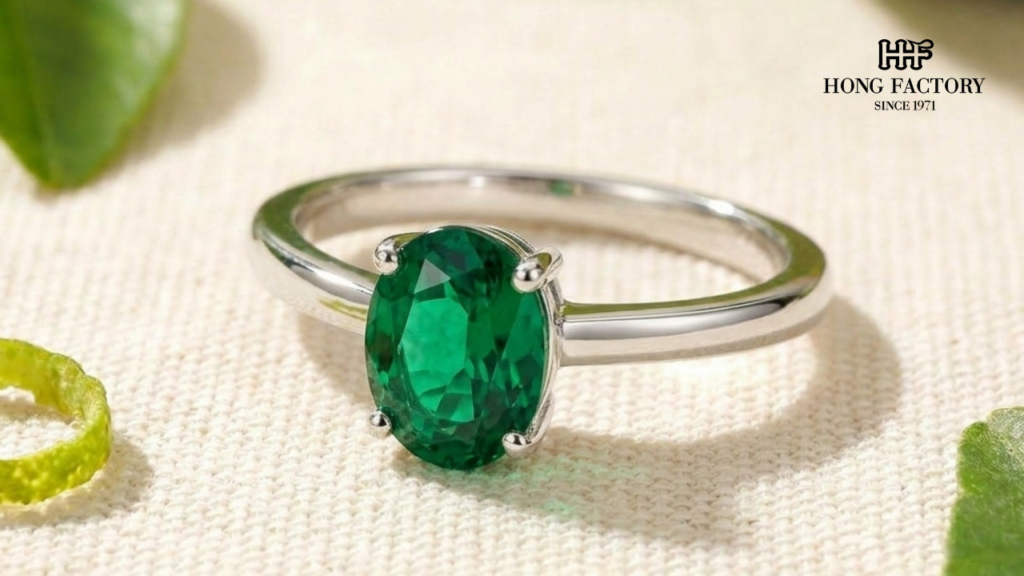
Emerald Gemstone: Meaning, Color and Jewelry Guide
Emerald is a popular gemstone known for its rich [...]
Sep
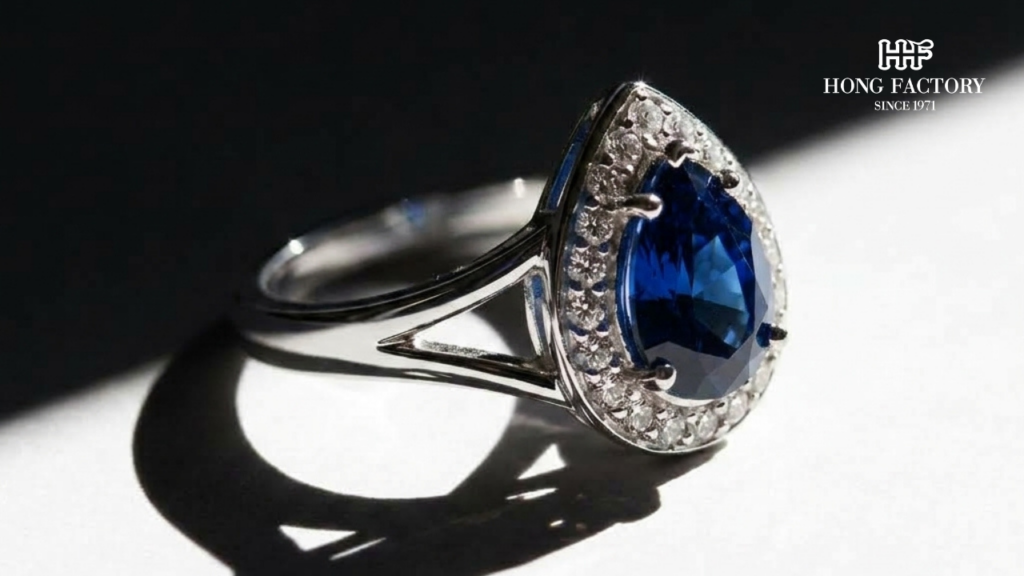
Sapphire Gemstone: Meaning, Colors and Jewelry Guide
Sapphire is a popular gemstone known for its beauty, [...]
Sep