
Choosing the perfect ring is about more than finding a beautiful design. The shape, width, and proportions of a ring can influence how your fingers appear and how balanced the jewelry looks on your hand. A ring that complements your natural finger shape can make your hands look longer, slimmer, or more proportionate while allowing the jewelry itself to stand out.
Whether you are shopping for an everyday ring, a statement piece, or a special gift, understanding your finger shape can help you choose a design that feels comfortable and looks naturally flattering.
Why Finger Shape Matters When Choosing a Ring
Every hand is different. Some people have long, slender fingers, while others have shorter fingers, wider fingers, or prominent knuckles. Ring styles can create different visual effects depending on these proportions.
For example, elongated stones can visually lengthen shorter fingers, while wider bands can add balance to long, narrow fingers. There are no strict rules about which rings you can wear, but knowing how different designs interact with your hand can make it easier to find a style you love.
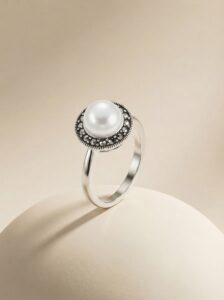
Rings for Short Fingers
If you have shorter fingers, look for designs that create a sense of vertical length. Rings with elongated shapes help draw the eye along the finger rather than across it.
Good choices include:
- Oval-cut stones
- Pear-shaped stones
- Marquise-shaped stones
- Narrow or medium-width bands
- Vertical ring designs
- Delicate settings
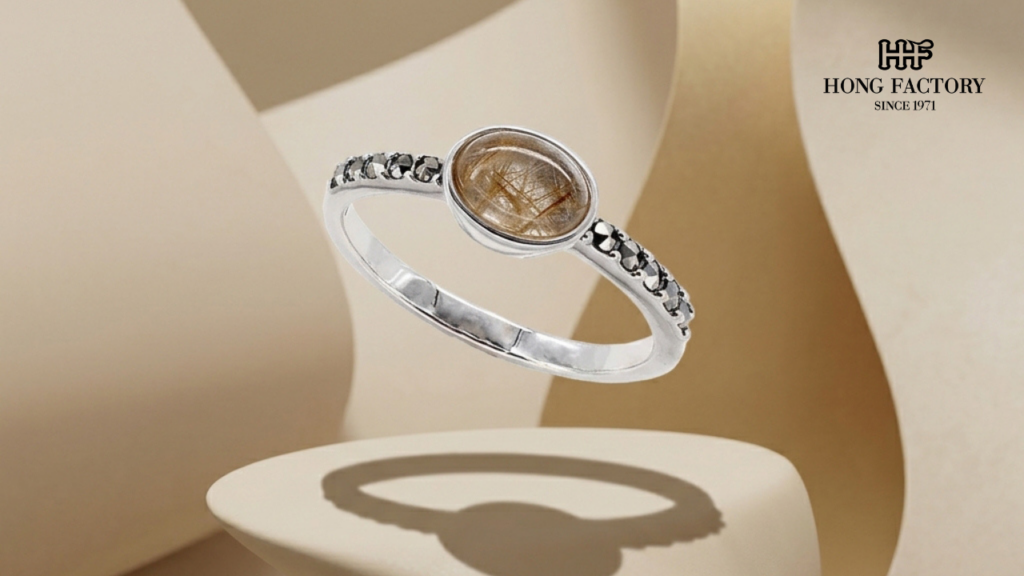
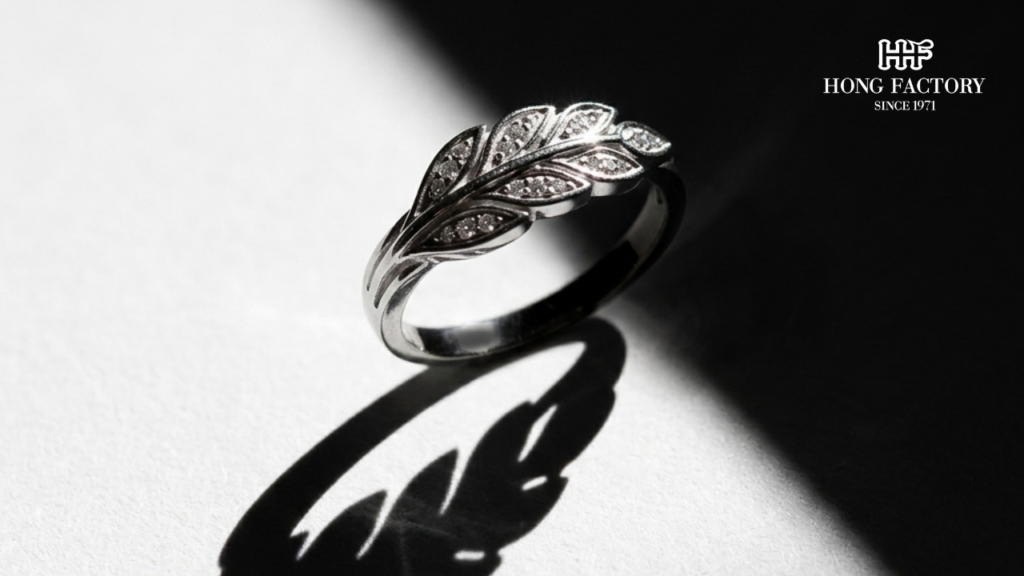
A slim sterling silver band with an elongated centerpiece can make the finger appear longer and more elegant.
Very wide bands may visually shorten the finger, especially when they cover a large portion between the knuckle and the base of the finger.
Rings for Long Fingers
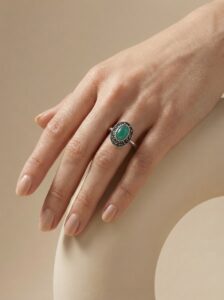
Long fingers are highly versatile and can carry both delicate and bold ring designs. Larger stones, detailed settings, and wider bands often look particularly balanced on longer fingers.
Consider styles such as:
- Wide bands
- Statement rings
- Round or square stones
- Cluster designs
- Vintage-inspired rings
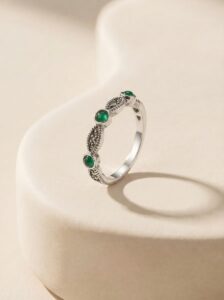
- Detailed marcasite rings
Long fingers also provide enough space for intricate designs without making the hand appear crowded. This makes them particularly suitable for decorative sterling silver rings featuring gemstones, marcasite, or elaborate metalwork.
Rings for Slender Fingers
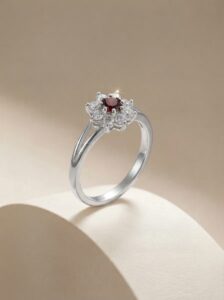
For slender fingers, the goal may be to create a little more visual width and balance. Rings with moderate-sized stones or decorative bands can add presence without overwhelming the hand.
Suitable options include:
- Medium-width bands
- Cluster rings
- Halo-style settings
- Round stones
- Horizontal designs
- Detailed silver bands
Stacking rings can also work beautifully on slender fingers. Combining two or three delicate bands creates dimension while allowing you to personalize the look.
Rings for Wide Fingers
Wider fingers can beautifully showcase substantial rings and statement designs. The key is choosing a ring with enough visual presence to create balanced proportions.
Look for:
- Medium to wide bands
- Larger center stones
- Cluster settings
- Asymmetrical designs
- Oval or rectangular stones
- Statement rings
A ring that is too narrow may make the finger appear wider by comparison. Designs with greater coverage often create a more balanced appearance.
Comfort is also especially important. Make sure the band fits properly without feeling tight, particularly if you plan to wear the ring throughout the day.
Rings for Fingers with Larger Knuckles
If your knuckles are wider than the base of your finger, ring fit becomes just as important as design.
The ring needs to be large enough to comfortably pass over the knuckle while remaining secure once it reaches the base of the finger.
Consider designs with:
- Balanced medium-width bands
- Comfortable interior profiles
- Adjustable designs where appropriate
- Larger decorative tops
- Stable settings that help prevent spinning
A professional ring sizing measurement can be especially useful because choosing a size based only on the base of the finger may result in a ring that cannot comfortably pass over the knuckle.
Consider the Shape of the Stone
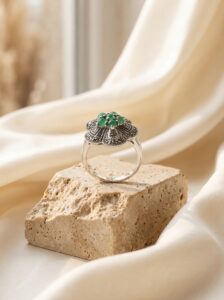
The shape of a gemstone or decorative centerpiece can dramatically affect how a ring looks on your hand.
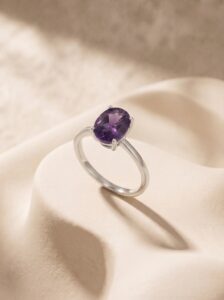
Oval stones create a soft, elongated appearance and work well with many finger shapes.
Round stones are classic and balanced, making them one of the most versatile choices.
Pear-shaped stones combine curves with an elongated point, helping create the illusion of longer fingers.
Marquise stones have a particularly strong lengthening effect because of their narrow, pointed shape.
Square and rectangular stones create a structured appearance and can look especially striking on longer fingers or wider hands.
The orientation of the stone matters as well. A vertically positioned stone tends to lengthen the appearance of the finger, while a horizontal setting adds visual width.
Choose the Right Band Width
Band width is another important factor when choosing a flattering ring.
Thin bands tend to create a delicate appearance and can help shorter fingers look longer. Medium-width bands are versatile and work well with most hand shapes.
Wide bands make a stronger statement and can beautifully complement long or wide fingers. However, they may feel tighter than thin bands, so sizing and comfort should always be considered.
If you plan to stack several rings together, remember that multiple bands will effectively create a wider overall look.
Match the Ring to Your Hand Proportions
Finger shape is only one part of the equation. The overall proportions of your hands can also influence how a ring looks.
Someone with small hands may prefer delicate or medium-sized designs, while larger hands can often carry substantial statement rings effortlessly.
Rather than focusing exclusively on trends, consider the visual balance between the ring, your fingers, and your hand.
A well-proportioned ring should look intentional without appearing too small or overwhelming.
Don’t Forget Comfort and Ring Size
Even the most beautiful ring will not be enjoyable to wear if it does not fit properly.
Your fingers can naturally change size throughout the day because of temperature, activity, and other factors. When possible, measure your finger when your hands are at a normal temperature rather than when they are unusually cold or warm.
The ideal ring should slide over the knuckle with slight resistance and sit comfortably at the base of the finger without pinching.
For wider bands, you may need a slightly larger size than you would wear with a thin band.
Consider Your Personal Style
While finger shape can help guide your decision, personal preference should always come first.
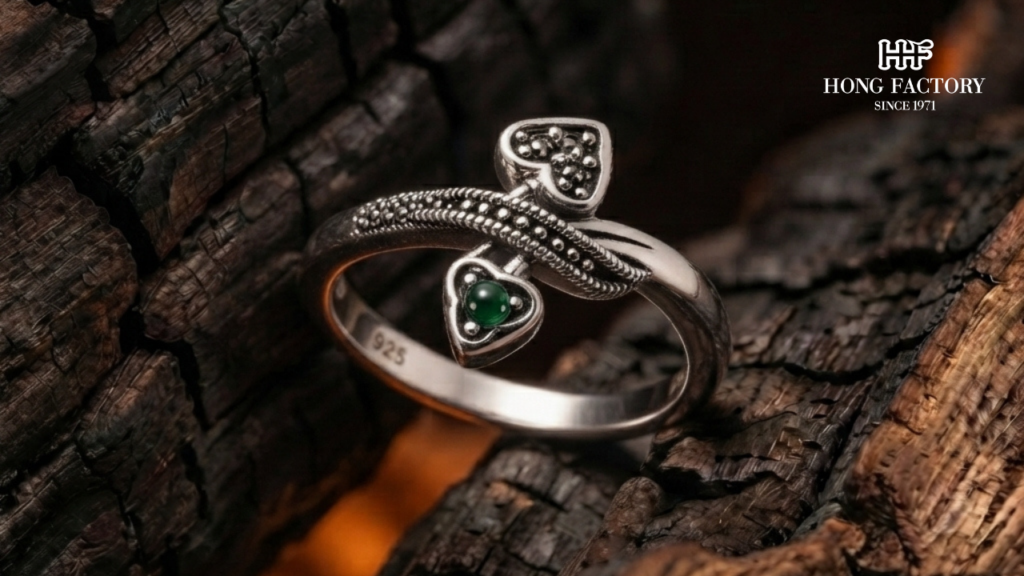
Minimalist jewelry lovers may prefer slim sterling silver bands or simple gemstone rings. Those who enjoy vintage-inspired jewelry might choose intricate marcasite details, decorative patterns, or antique-style settings.
If you prefer bold jewelry, a statement ring can become the focal point of your entire look regardless of your finger shape.
The best ring is ultimately one that feels natural and makes you want to wear it often.
Learning how to choose the perfect ring for your finger shape can make jewelry shopping easier and help you discover designs that naturally complement your hands.
Short fingers often benefit from elongated shapes and slimmer bands, while long fingers can beautifully carry wider and more detailed designs. Slender fingers pair well with moderate-width or layered styles, while wider fingers can balance larger stones and statement settings.
However, these suggestions are guidelines rather than rules. Comfort, proper sizing, craftsmanship, and personal style are equally important.
Whether you prefer a simple sterling silver ring, an elegant gemstone design, or an intricate marcasite piece, choose a ring that feels comfortable, reflects your personality, and makes you feel confident every time you wear it.



Jewelry Blog
How to Choose the Perfect Ring for Your Finger Shape
Choosing the perfect ring is about more than finding [...]
Sep
Ring Size Guide: How to Measure and Convert Ring Sizes Internationally
Buying a ring should be an exciting experience, whether [...]
Aug
Opaque vs Transparent Gemstones: How to Choose the Right Stone for Each Jewelry Type
Choosing the perfect gemstone involves more than selecting your [...]
Aug
Hardness Scale for Gemstones: Mohs Scale Explained for Jewelry Designers
Choosing the perfect gemstone is about much more than [...]
Aug
Natural vs Synthetic Gemstones: What Every Jewelry Buyer Needs to Know
When shopping for gemstone jewelry, one of the first [...]
Aug
Birthstones by Month: The Complete Guide to All 12 Gemstones
Birthstone jewelry has been cherished for centuries, combining beauty [...]
Jul
Antique Style vs Contemporary Marcasite: Which Sells Better in Your Market?
The marcasite jewelry market has evolved significantly over the [...]
Jul
How to Handle Marcasite Stones That Fall Out: A Retailer’s Repair Guide
Marcasite jewelry has long been admired for its vintage [...]
Jul