
Buying a ring should be an exciting experience, whether you’re shopping for yourself, choosing a meaningful gift, or planning a surprise proposal. However, selecting the wrong ring size can quickly turn that excitement into frustration. A ring that is too tight may be uncomfortable, while one that is too loose risks slipping off and getting lost.
Because ring sizing standards vary across countries, understanding how to measure and convert sizes accurately is essential—especially when purchasing jewelry online or from international retailers.
This comprehensive Ring Size Guide explains everything you need to know about measuring your finger, understanding international sizing systems, converting ring sizes, and choosing the perfect fit for every occasion.
Why Ring Size Matters
A properly fitted ring is more than just comfortable—it also protects your investment.
A ring that fits correctly:
- Stays securely on your finger
- Feels comfortable throughout the day
- Reduces the chance of damage from excessive force
- Minimizes resizing costs
- Improves the overall wearing experience
Whether you’re buying an engagement ring, wedding band, sterling silver ring, or fashion jewelry, accurate sizing is one of the most important parts of the buying process.
Understanding Ring Size Systems Around the World
One reason people search for a Ring Size Guide is that different countries use different measurement systems.
Here are the most common international standards.
United States and Canada
The U.S. and Canada use numerical sizes, typically ranging from:
- Size 3
- Size 4
- Size 5
- Size 6
- Size 7
- Size 8
- Size 9
- Size 10
- Size 11
- Size 12
Half sizes are also widely available.
United Kingdom and Australia
The UK and Australia use alphabetical sizing.
Examples include:
- F
- G
- H
- J
- K
- L
- M
- N
- O
- P
Half sizes are also common.
Europe
European sizing uses the ring’s inner circumference measured in millimeters.
Examples include:
- 50
- 52
- 54
- 56
- 58
- 60
This system is widely used across many European countries.
Japan
Japan uses a numerical sizing system that differs from the U.S. standard.
Typical sizes include:
- 7
- 9
- 11
- 13
- 15
- 17
Always use a reliable conversion chart when ordering internationally.
How to Measure Your Ring Size at Home
Accurate measurement is the foundation of every good Ring Size Guide.
Fortunately, there are several easy methods you can use at home.
Method 1: Measure an Existing Ring
If you already own a ring that fits well:
- Place the ring on a ruler.
- Measure the inside diameter in millimeters.
- Compare the measurement with an international ring size chart.
This is one of the most accurate methods.
Method 2: Use a Paper Strip
You will need:
- A narrow strip of paper
- A ruler
- A pen
Steps:
- Wrap the paper around the base of your finger.
- Mark where the ends meet.
- Measure the length in millimeters.
- Compare the circumference with a sizing chart.
Avoid wrapping the paper too tightly.
Method 3: Use a Ring Sizer
Plastic or metal ring sizing tools are inexpensive and provide highly accurate results.
Many jewelry retailers also offer free printable ring sizers for online customers.
Best Time to Measure Your Finger
Finger size changes throughout the day.
For the most accurate results:
Measure in the Evening
Fingers tend to be slightly larger later in the day.
Avoid Measuring in Cold Weather
Cold temperatures reduce finger size.
Don’t Measure After Exercise
Physical activity can temporarily cause fingers to swell.
Measure Several Times
Taking multiple measurements improves accuracy.
How Wide Ring Bands Affect Size
Band width significantly influences comfort.
Thin Bands
Thin rings generally fit comfortably using your standard size.
Wide Bands
Wide rings cover more of the finger and often feel tighter.
Many jewelers recommend choosing a half size larger for wide bands.
International Ring Size Conversion Tips
When using an international Ring Size Guide, remember:
- Always verify which sizing system the retailer uses.
- Don’t assume size numbers are universal.
- Ask customer service if a conversion chart is unavailable.
- When between two sizes, consider the ring style before deciding.
Professional jewelers often provide downloadable conversion charts to simplify international purchases.
Common Ring Sizing Mistakes
Many sizing problems result from avoidable mistakes.
Measuring Only Once
Finger size naturally changes.
Always measure multiple times.
Ignoring Knuckle Size
Some people have larger knuckles than the base of their finger.
The ring should slide comfortably over the knuckle while fitting securely afterward.
Guessing Someone Else’s Size
Surprise gifts are wonderful, but guessing ring size often leads to resizing.
Whenever possible:
- Borrow an existing ring.
- Ask family members.
- Consult close friends.
Forgetting Seasonal Changes
Warm weather may increase finger size slightly.
Cold weather often has the opposite effect.
Ring Sizing for Online Shopping
Buying rings online has become increasingly popular, making a reliable Ring Size Guide even more important.
Before placing an order:
Read the Product Description
Check whether the ring follows:
- U.S.
- UK
- European
- Japanese
sizing standards.
Review Return Policies
Even with careful measurement, resizing may occasionally be necessary.
Choose retailers offering flexible return or resizing options.
Contact Customer Support
Professional jewelers are usually happy to assist with sizing questions before purchase.
Ring Resizing: Is It Always Possible?
Not every ring can be resized.
Rings That Can Usually Be Resized
- Plain sterling silver bands
- Gold rings
- Platinum rings
- Solitaire engagement rings
Rings That May Be Difficult to Resize
- Eternity bands
- Full gemstone bands
- Tension settings
- Alternative metals such as tungsten or ceramic
Always ask the jeweler before purchasing if resizing is important.
Tips for Buying Rings as Gifts
Choosing the right size is especially important when buying gifts.
Helpful ideas include:
Borrow an Existing Ring
Choose one worn on the same finger whenever possible.
Ask Family Members
They may already know the correct size.
Choose Adjustable Designs
Some fashion rings feature adjustable bands that accommodate multiple sizes.
Purchase from Retailers Offering Exchanges
This provides peace of mind if adjustments become necessary.
Frequently Asked Questions
What if my measurement falls between two sizes?
For narrow bands, choose the larger size if you prefer a looser fit. For wide bands, most jewelers recommend sizing up by half a size.
Which finger should I measure?
Always measure the exact finger that will wear the ring. Fingers on your dominant hand are often slightly larger than those on your non-dominant hand.
Can ring size change over time?
Yes. Age, temperature, pregnancy, weight fluctuations, and certain medical conditions can affect finger size.
Is professional sizing more accurate?
Absolutely. A professional jeweler uses calibrated ring sizing tools that provide the most reliable measurements.
Choosing the correct ring size is one of the most important steps when purchasing jewelry. Whether you’re buying an engagement ring, a sterling silver fashion ring, or a meaningful gift, using a reliable Ring Size Guide helps ensure a comfortable fit and a positive buying experience.
By understanding international sizing systems, measuring your finger accurately, and using proper conversion methods, you can shop with confidence wherever you are in the world. When in doubt, consult a professional jeweler or request a sizing guide before making your purchase. A well-fitted ring not only feels comfortable but also becomes a treasured piece of jewelry that can be worn and enjoyed for years to come.



Jewelry Blog

What Causes Sterling Silver Jewelry to Tarnish?
Sterling silver jewelry tarnishes when the metal reacts with [...]
Sep
Why Rhodium Plating Is Used on Sterling Silver Jewelry
Rhodium plating is applied to sterling silver jewelry to [...]
Sep
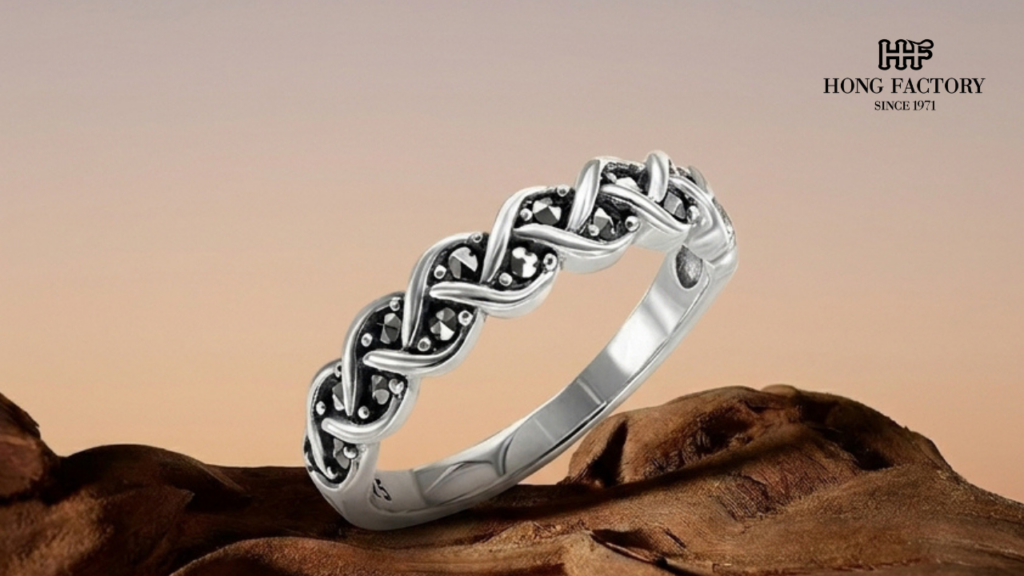
Why Sterling Silver 925 Is Popular for Jewelry Manufacturing
Sterling silver 925 is one of the most widely [...]
Sep
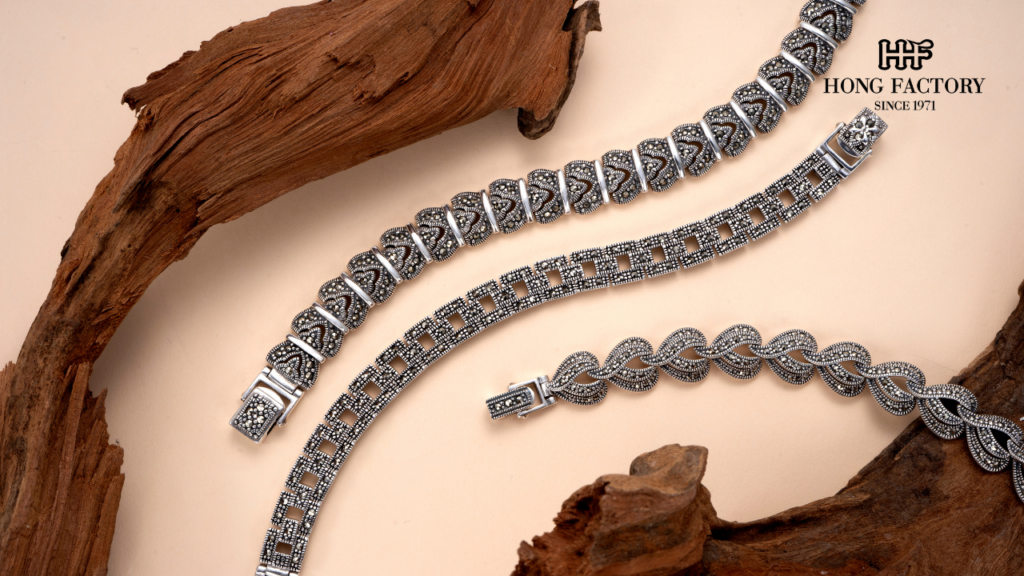
Inside a Jewelry Factory: How Sterling Silver Jewelry Is Made
Sterling silver jewelry may look delicate and effortless, but [...]
Sep
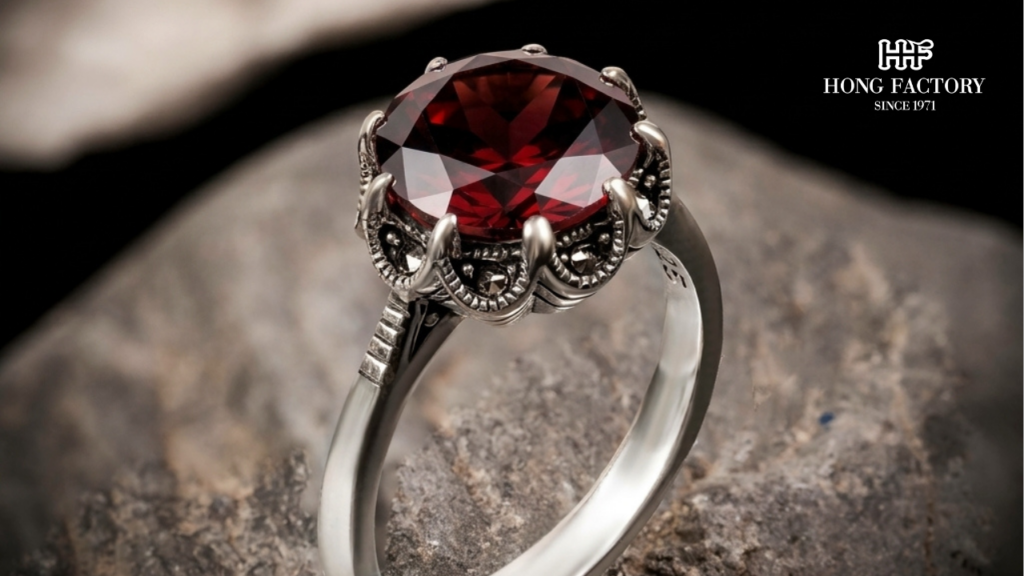
Garnet Gemstone: Meaning, Colors and Jewelry Guide
Garnet is a popular gemstone family known for its [...]
Sep
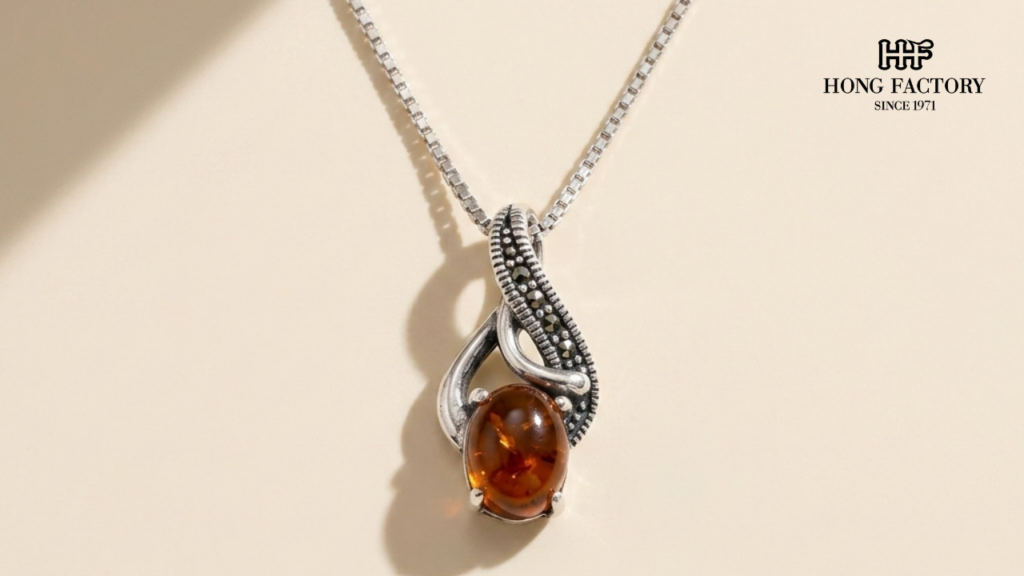
Citrine Gemstone: Meaning, Color and Jewelry Guide
Citrine is a popular gemstone known for its warm [...]
Sep
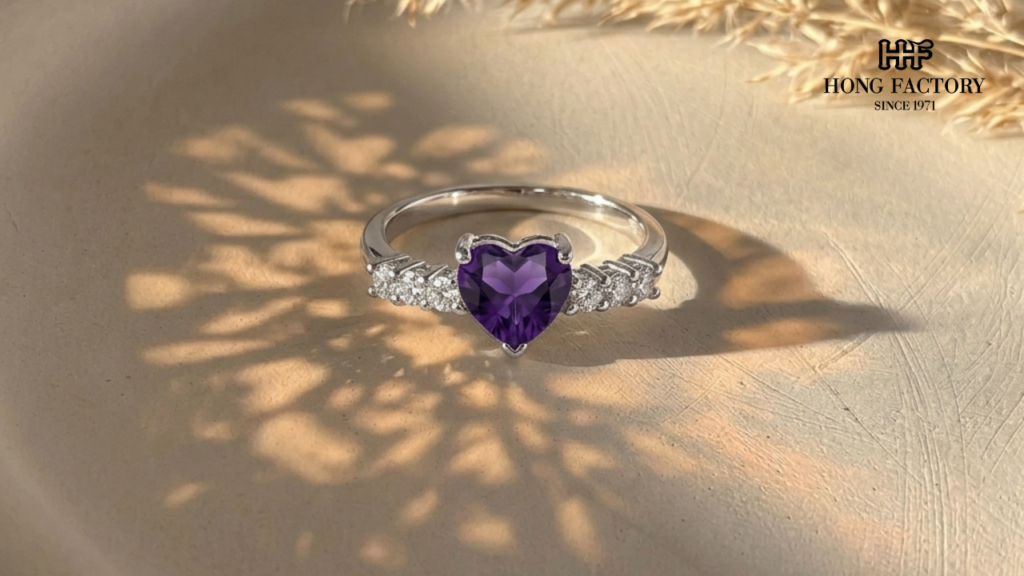
Amethyst Gemstone: Meaning, Color and Jewelry Guide
Amethyst is a popular gemstone known for its beautiful [...]
Sep
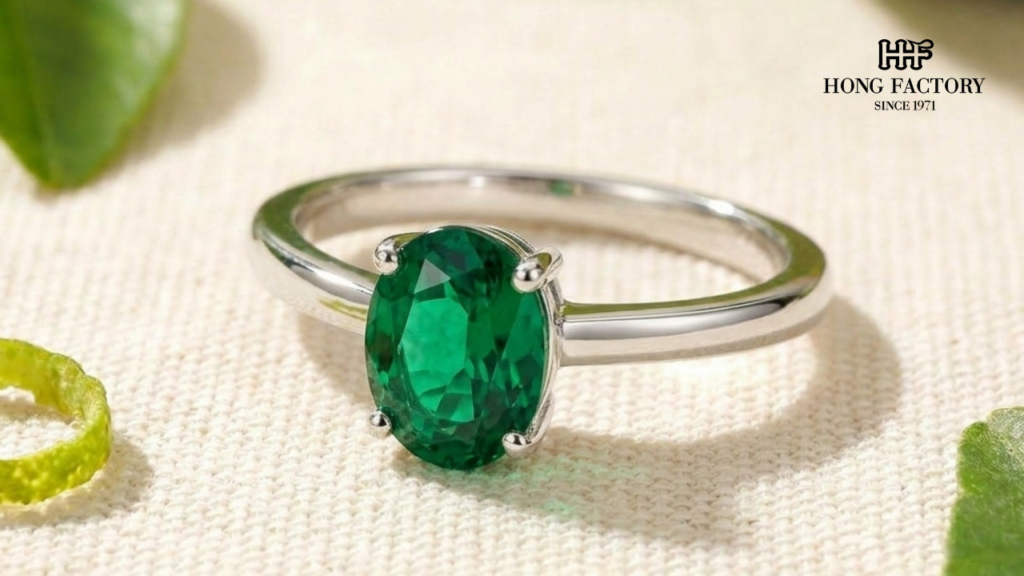
Emerald Gemstone: Meaning, Color and Jewelry Guide
Emerald is a popular gemstone known for its rich [...]
Sep