
Choosing the perfect gemstone involves more than selecting your favorite color. One of the most important characteristics to consider is transparency. Some gemstones are prized for their crystal-clear brilliance, while others captivate with rich colors and smooth, opaque surfaces. Both types have unique beauty and practical advantages, making them suitable for different jewelry designs and occasions.
Understanding Opaque vs Transparent Gemstones helps jewelry buyers, designers, and retailers select stones that not only look beautiful but also complement the style, purpose, and durability requirements of each jewelry piece.
In this guide, we’ll explain the differences between opaque and transparent gemstones, compare their characteristics, and help you choose the best option for rings, necklaces, earrings, bracelets, and other jewelry.
What Are Transparent Gemstones?
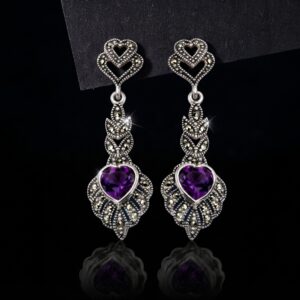
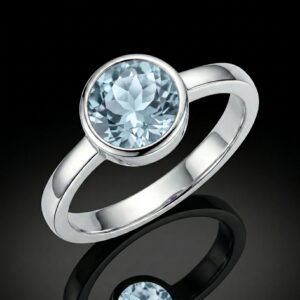
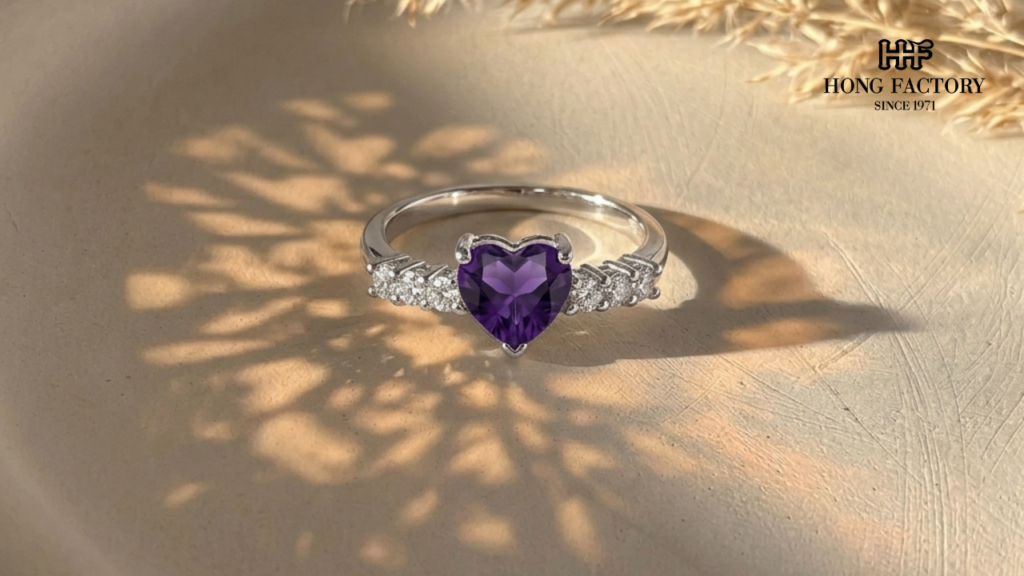
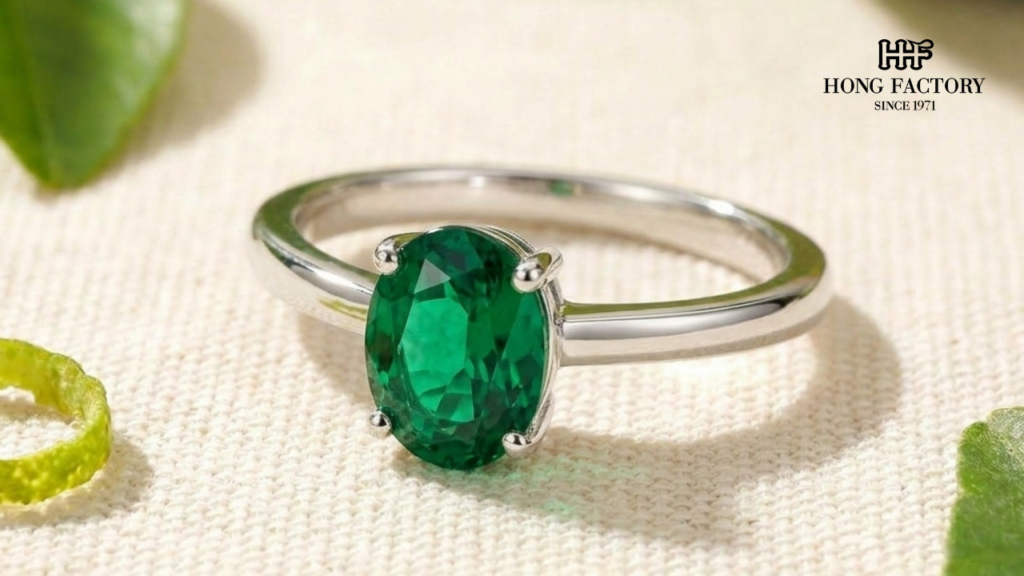
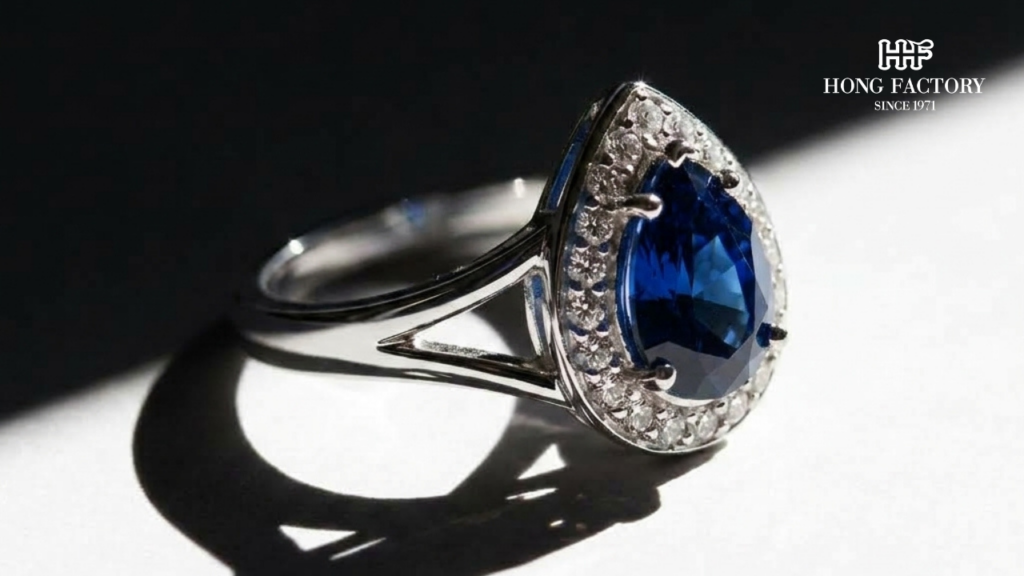
Transparent gemstones allow light to pass through them with little obstruction, creating brilliance, sparkle, and depth. Their clarity allows the gemstone’s internal structure to reflect and refract light, producing the dazzling effects many people associate with luxury jewelry.
The clearer the gemstone, the more light it transmits, often increasing its visual appeal and value.
Common transparent gemstones include:
- Diamond
- Sapphire
- Ruby
- Emerald
- Aquamarine
- Amethyst
- Citrine
- Topaz
- Peridot
- Garnet
Transparent gemstones are typically faceted to maximize their brilliance and light performance.
What Are Opaque Gemstones?
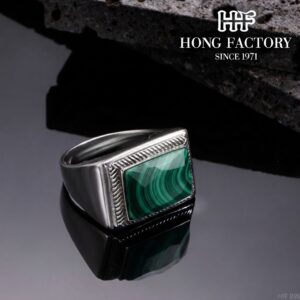
Opaque gemstones do not allow light to pass through them. Instead of sparkling internally, they display their beauty through rich color, unique surface patterns, texture, or natural markings.
Many opaque gemstones are polished into smooth cabochons rather than faceted cuts because brilliance is not their primary attraction.
Popular opaque gemstones include:
- Turquoise
- Lapis Lazuli
- Malachite
- Onyx
- Jasper
- Howlite
- Chrysocolla
- Bloodstone
- Tiger’s Eye (often semi-transparent to opaque)
- Coral
Although they lack the sparkle of transparent gemstones, opaque stones offer bold character and timeless elegance.
Opaque vs Transparent Gemstones: Key Differences
Understanding the differences between Opaque vs Transparent Gemstones makes it easier to select the right gemstone for different jewelry styles.
Appearance
Transparent gemstones create brilliance through light reflection and refraction.
Opaque gemstones showcase solid color, texture, and distinctive natural patterns.
One emphasizes sparkle, while the other focuses on richness and character.
Cutting Style
Transparent gemstones are generally cut with multiple facets to maximize brilliance.
Popular cuts include:
- Round
- Oval
- Cushion
- Emerald Cut
- Princess
- Pear
- Marquise
Opaque gemstones are more commonly shaped into:
- Cabochons
- Beads
- Freeform cuts
- Domed ovals
These cuts highlight surface color rather than internal light reflection.
Value Factors
Transparent gemstones are often evaluated using the famous “Four Cs”:
- Color
- Clarity
- Cut
- Carat Weight
Opaque gemstones are assessed differently.
Important considerations include:
- Color consistency
- Pattern uniqueness
- Surface quality
- Polish
- Overall craftsmanship
Which Gemstones Work Best for Rings?
Rings receive more daily wear than almost any other type of jewelry.
Durability is therefore a major consideration.
Transparent Gemstones for Rings
Excellent choices include:
- Diamond
- Sapphire
- Ruby
- Spinel
These gemstones have excellent hardness, making them suitable for everyday wear.
Opaque Gemstones for Rings
Popular options include:
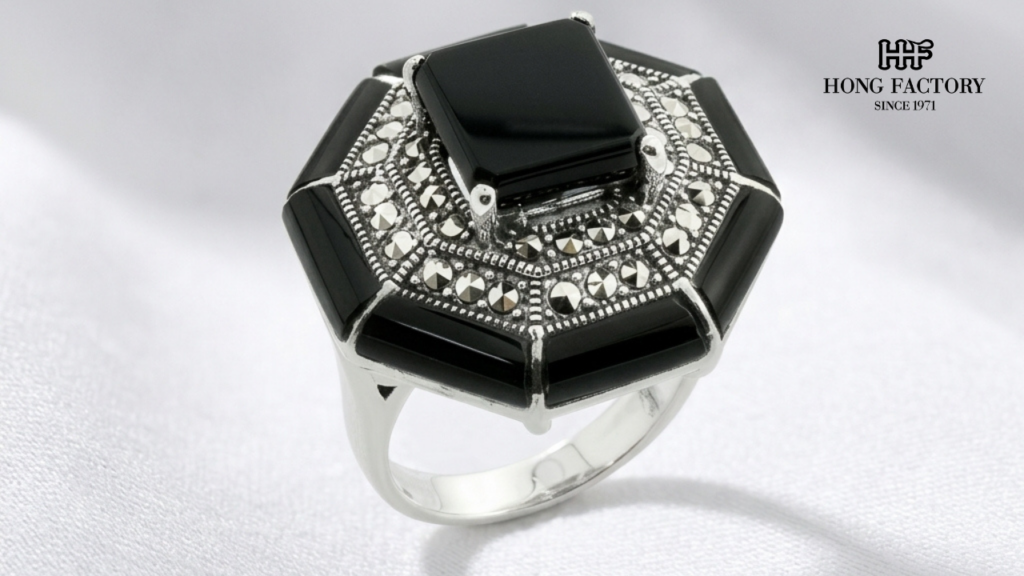
- Black Onyx
- Turquoise
- Jasper
- Malachite
These create bold statement rings but may require extra care because some opaque gemstones are softer than transparent alternatives.
Best Gemstones for Necklaces
Necklaces experience relatively little impact compared to rings, allowing greater flexibility.
Transparent Gemstones
Ideal for:
- Solitaire pendants
- Halo necklaces
- Birthstone jewelry
- Luxury statement pieces
Their brilliance naturally draws attention to the neckline.
Opaque Gemstones
Excellent for:
- Artistic pendants
- Nature-inspired jewelry
- Bohemian collections
- Spiritual jewelry
The bold colors and distinctive patterns become the focal point of the design.
Choosing Gemstones for Earrings
Earrings should provide balance, comfort, and visual appeal.
Transparent Gemstones
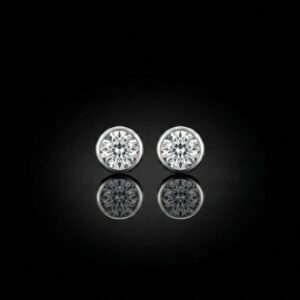
Faceted gemstones beautifully reflect surrounding light, making them ideal for:
- Stud earrings
- Drop earrings
- Halo designs
- Bridal jewelry
Opaque Gemstones
Opaque gemstones work well in:
- Contemporary earrings
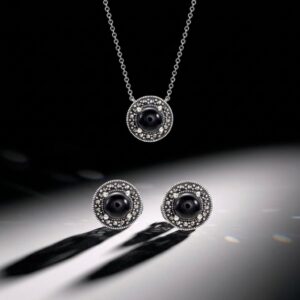
- Vintage-inspired collections
- Handmade artisan jewelry
- Statement pieces
Their solid colors create strong visual contrast without excessive sparkle.
Which Stones Suit Bracelets?
Bracelets combine movement with frequent contact.
Transparent Gemstones
Suitable for:
- Tennis bracelets
- Fine gemstone bangles
- Luxury link bracelets
These designs create continuous sparkle around the wrist.
Opaque Gemstones
Often used in:
- Beaded bracelets
- Stretch bracelets
- Leather bracelets
- Contemporary fashion jewelry
Opaque gemstones offer a more relaxed and casual appearance.
Matching Gemstones with Jewelry Styles
Understanding Opaque vs Transparent Gemstones also involves considering design aesthetics.
Vintage Jewelry
Vintage-inspired collections often feature:
- Marcasite
- Black Onyx
- Lapis Lazuli
- Garnet
- Emerald
Both transparent and opaque stones contribute to antique-style elegance.
Minimalist Jewelry
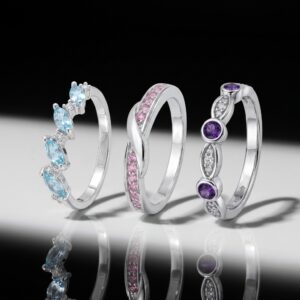
Modern minimalist jewelry frequently incorporates transparent gemstones because their subtle brilliance complements clean lines and simple settings.
Popular choices include:
- Diamond
- Aquamarine
- White Sapphire
- Blue Topaz
Bohemian Jewelry
Bohemian designs commonly feature opaque gemstones with earthy colors and organic textures.
Favorites include:
- Turquoise
- Jasper
- Malachite
- Howlite
These stones create a natural, handcrafted appearance.
Which Type Is More Durable?
Durability depends more on gemstone hardness than transparency.
Many transparent gemstones rank highly on the Mohs Hardness Scale.
For example:
- Diamond: 10
- Sapphire: 9
- Ruby: 9
However, several opaque gemstones are softer.
Examples include:
- Turquoise: 5–6
- Malachite: 3.5–4
- Coral: 3–4
When selecting jewelry for everyday wear, hardness should always be considered alongside appearance.
Choosing Based on Personal Style
There is no universally correct choice in the Opaque vs Transparent Gemstones discussion.
Choose transparent gemstones if you appreciate:
- Sparkle
- Brilliance
- Classic elegance
- Formal jewelry
- Luxury styling
Choose opaque gemstones if you prefer:
- Bold color
- Natural patterns
- Artistic designs
- Vintage aesthetics
- Contemporary handcrafted jewelry
Many jewelry collections successfully combine both types to create unique visual contrast.
Caring for Opaque and Transparent Gemstones
Proper care preserves both appearance and longevity.
Store Jewelry Separately
Keep gemstones from rubbing against one another to prevent scratches.
Avoid Chemicals
Perfumes, cleaning products, and chlorine may damage both gemstones and metal settings.
Clean Carefully
Use:
- Mild soap
- Warm water
- Soft microfiber cloth
Some opaque gemstones are porous and should never be soaked for extended periods.
Always follow gemstone-specific care recommendations.
Frequently Asked Questions
Are transparent gemstones always more expensive?
Not necessarily. While many premium gemstones are transparent, value depends on rarity, quality, size, and demand. Some opaque gemstones are also highly valuable due to their rarity and exceptional appearance.
Which gemstone type is better for everyday jewelry?
Both can be suitable, provided the gemstone has sufficient hardness for daily wear. Transparent gemstones such as sapphire and ruby are excellent choices, while durable opaque stones like onyx also perform well.
Can opaque gemstones be faceted?
Most opaque gemstones are cut as cabochons because faceting does not significantly enhance their appearance. However, some opaque stones may occasionally be faceted for decorative purposes.
Can transparent and opaque gemstones be combined?
Yes. Many designers combine transparent accent stones with opaque center stones to create distinctive and visually balanced jewelry.
Understanding Opaque vs Transparent Gemstones allows jewelry buyers to appreciate the unique qualities of each gemstone type and choose pieces that best suit their style, lifestyle, and budget. Transparent gemstones captivate with brilliance and sparkle, making them ideal for classic fine jewelry, while opaque gemstones stand out through rich color, natural texture, and artistic individuality.
Rather than viewing one as superior to the other, it’s best to recognize that each serves a different purpose in jewelry design. Whether you prefer the dazzling fire of a faceted sapphire or the bold elegance of polished turquoise or black onyx, selecting the right gemstone ensures your jewelry reflects both your personality and the occasion.



Jewelry Blog
Why Rhodium Plating Is Used on Sterling Silver Jewelry
Rhodium plating is applied to sterling silver jewelry to [...]
Sep
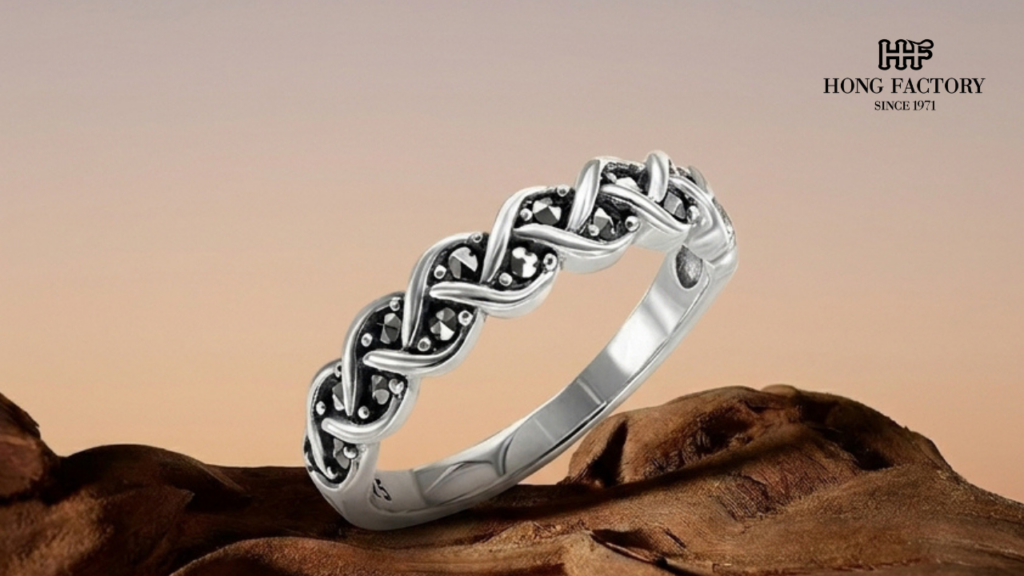
Why Sterling Silver 925 Is Popular for Jewelry Manufacturing
Sterling silver 925 is one of the most widely [...]
Sep
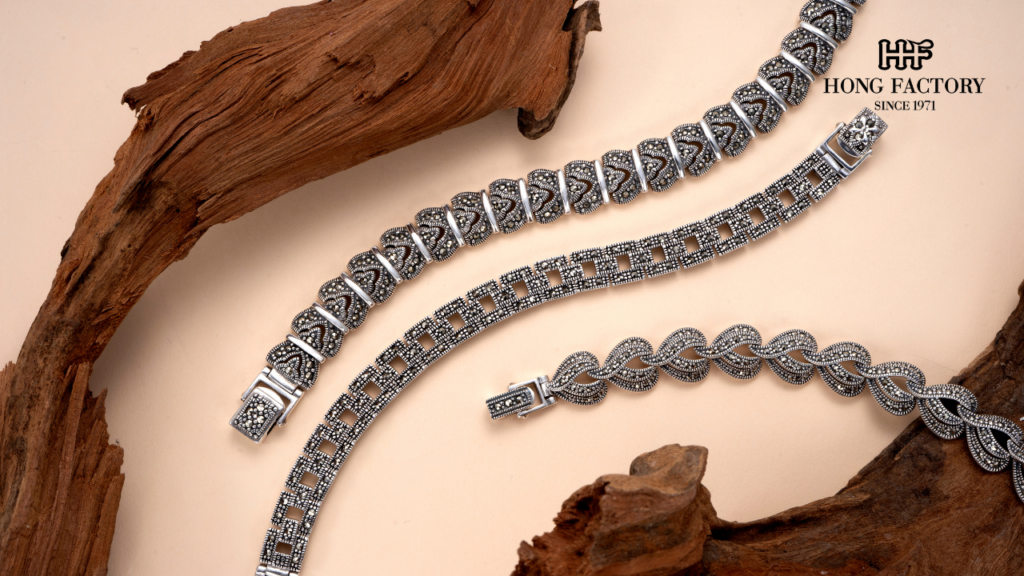
Inside a Jewelry Factory: How Sterling Silver Jewelry Is Made
Sterling silver jewelry may look delicate and effortless, but [...]
Sep
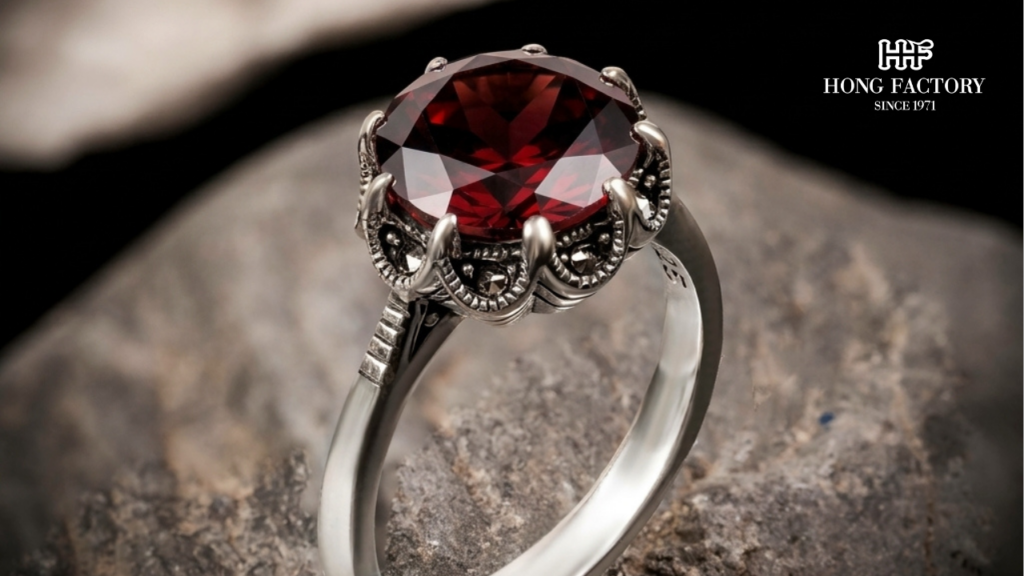
Garnet Gemstone: Meaning, Colors and Jewelry Guide
Garnet is a popular gemstone family known for its [...]
Sep
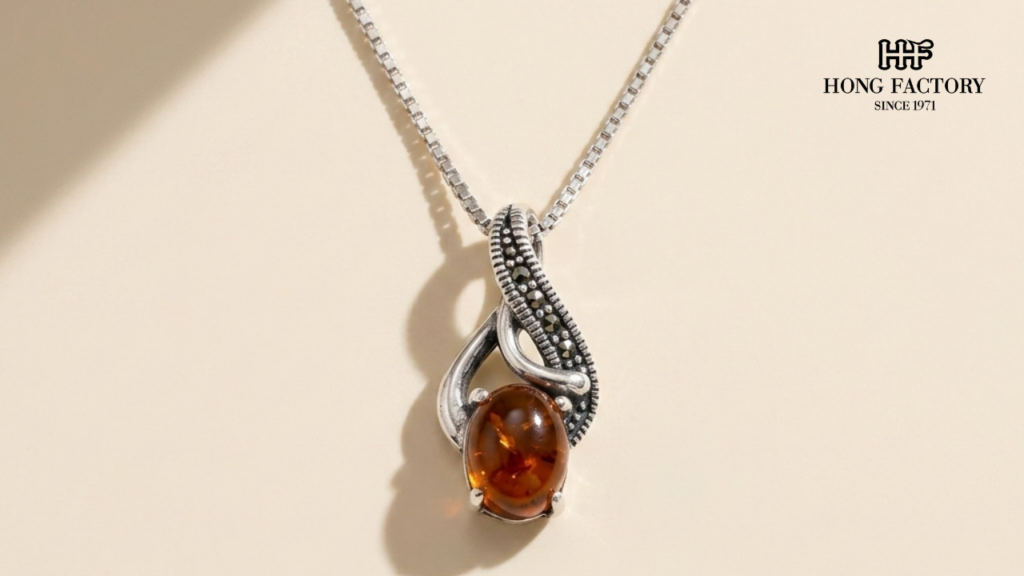
Citrine Gemstone: Meaning, Color and Jewelry Guide
Citrine is a popular gemstone known for its warm [...]
Sep
Amethyst Gemstone: Meaning, Color and Jewelry Guide
Amethyst is a popular gemstone known for its beautiful [...]
Sep
Emerald Gemstone: Meaning, Color and Jewelry Guide
Emerald is a popular gemstone known for its rich [...]
Sep
Sapphire Gemstone: Meaning, Colors and Jewelry Guide
Sapphire is a popular gemstone known for its beauty, [...]
Sep