
Choosing the perfect gemstone is about much more than color, brilliance, or rarity. One of the most important factors in jewelry design is durability. A gemstone may look stunning in a display case, but if it cannot withstand daily wear, it may not be the best choice for certain types of jewelry.
This is where understanding the Hardness Scale for Gemstones becomes essential. The Mohs Hardness Scale is one of the most widely used tools in the jewelry industry, helping designers, manufacturers, retailers, and buyers evaluate how well a gemstone resists scratches during everyday use.
However, hardness is only one part of the story. Professional jewelry designers also consider toughness, gemstone structure, and how the jewelry will be worn. By understanding these factors together, you can choose gemstones that are both beautiful and practical for long-term wear.
In this guide, we’ll explain how the Mohs Hardness Scale works, why it matters in jewelry design, and how to select the right gemstone for every type of jewelry.
What Is the Hardness Scale for Gemstones?
The Hardness Scale for Gemstones refers to the Mohs Hardness Scale, a system developed by German mineralogist Friedrich Mohs in 1812 to compare how resistant minerals are to scratching.
Instead of measuring a gemstone’s strength or resistance to breaking, the Mohs Scale focuses specifically on scratch resistance. A gemstone with a higher hardness rating can scratch one with a lower rating, making the scale particularly useful when selecting stones for jewelry that will be worn regularly.
For jewelry professionals, the Mohs Scale serves as a practical guide rather than a definitive measure of durability. It helps determine which gemstones are better suited for rings, bracelets, earrings, necklaces, or special-occasion pieces.
Why Gemstone Hardness Matters
Jewelry is exposed to different levels of wear depending on how it is used.
For example, rings are constantly in contact with hard surfaces such as desks, keyboards, door handles, and countertops. Bracelets experience frequent friction against clothing and everyday objects. Necklaces and earrings, on the other hand, are generally protected from direct impact.
Because of these differences, the same gemstone may perform exceptionally well in one type of jewelry but require additional protection in another.
Understanding the Hardness Scale for Gemstones helps designers create jewelry that remains attractive for years while reducing the risk of scratches and unnecessary repairs.

Hardness Is Not the Same as Toughness
One of the most common misconceptions in jewelry is assuming that a harder gemstone is automatically stronger.
In reality, hardness and toughness describe two completely different characteristics.
Hardness
Hardness measures a gemstone’s resistance to scratching.
A gemstone with a higher hardness rating is less likely to develop surface scratches during normal wear.
Toughness
Toughness measures how well a gemstone resists breaking, chipping, or cracking when subjected to impact.
For example, diamond is the hardest natural gemstone in the world, but it can still chip if struck at certain angles because of its crystal structure. Conversely, some gemstones with lower hardness ratings may be surprisingly resistant to impact.
For this reason, professional jewelry designers always evaluate both hardness and toughness before selecting a gemstone.
Choosing Gemstones for Different Types of Jewelry
Not every gemstone is suitable for every jewelry design. Understanding how each piece will be worn allows designers to make better material choices.
Rings
Rings are the most demanding type of jewelry because they receive constant daily wear.
Gemstones commonly chosen for rings include:
- Diamond
- Ruby
- Sapphire
- Spinel
- Topaz
These gemstones offer excellent scratch resistance, making them ideal for engagement rings, wedding bands, and everyday fashion rings.
Softer gemstones can still be used in rings but often benefit from protective bezel settings or occasional wear.
Necklaces
Necklaces experience relatively little physical impact, allowing designers greater freedom when selecting gemstones.
Suitable choices include:
- Emerald
- Aquamarine
- Opal
- Moonstone
- Pearl
- Amethyst
Since pendants rarely come into direct contact with hard surfaces, even more delicate gemstones can remain beautiful for many years.
Earrings
Earrings are among the safest types of jewelry for gemstones because they are less exposed to daily wear.
This makes them ideal for showcasing both durable and delicate stones, including:
- Tanzanite
- Garnet
- Opal
- Pearl
- Citrine
- Peridot
Designers often use earrings to feature gemstones that might require more protection if placed in rings.
Bracelets
Bracelets frequently come into contact with desks, clothing, and surrounding objects.
For everyday bracelets, durable gemstones are generally preferred, including:
- Sapphire
- Ruby
- Diamond
- Topaz
When using softer gemstones, protective settings and thoughtful bracelet designs help reduce accidental damage.
Popular Gemstones and Their Practical Durability
Rather than focusing only on hardness ratings, jewelry designers evaluate how gemstones perform in real-world conditions.
Diamonds remain the benchmark for everyday jewelry because of their exceptional scratch resistance and timeless appeal.
Rubies and sapphires are also excellent choices for rings and bracelets, combining outstanding durability with brilliant color.
Topaz offers a balance between beauty and affordability, making it popular in fashion jewelry.
Quartz varieties such as amethyst and citrine provide good durability for necklaces, earrings, and occasional-wear rings.
Emeralds require a little more care because natural inclusions may make them more vulnerable to impact, even though they are relatively hard.
Opals and pearls are softer gemstones that deserve extra attention. They perform beautifully in pendants and earrings but should be protected from rough handling and harsh chemicals.
Factors Beyond Hardness
While the Hardness Scale for Gemstones is extremely valuable, it should never be the only factor influencing gemstone selection.
Professional designers also evaluate several additional characteristics.
Natural Inclusions
Many gemstones contain internal features formed during their natural growth.
These inclusions make each gemstone unique but may also influence durability.
Gemstone Shape
Certain gemstone cuts expose corners that are more vulnerable to impact.
Round and oval shapes generally offer better protection than pointed shapes such as marquise or pear cuts.
Jewelry Setting
The setting plays a significant role in protecting a gemstone.
Bezel settings surround the stone with metal, providing excellent protection against accidental knocks.
Prong settings allow more light into the gemstone but leave the edges more exposed.
Customer Lifestyle
A customer’s lifestyle is equally important.
Someone who works with their hands every day may benefit from choosing sapphire instead of emerald for a ring, while a pendant worn only on special occasions allows much greater flexibility.
Tips for Jewelry Designers
Understanding the Hardness Scale for Gemstones enables designers to create jewelry that balances beauty with durability.
Some practical recommendations include:
Match the Gemstone to Its Purpose
Reserve highly durable gemstones for everyday jewelry and use more delicate stones in lower-impact designs.
Design for Protection
Well-designed settings extend the life of a gemstone without compromising its appearance.
Educate Customers
Explaining gemstone durability helps customers understand how to care for their jewelry properly.
Clear guidance also reduces unnecessary warranty claims and increases customer confidence.
Balance Beauty and Practicality
The most successful jewelry designs combine aesthetics with functionality, ensuring that customers enjoy wearing their jewelry every day.
Caring for Gemstones Based on Their Durability
Proper care helps every gemstone maintain its beauty regardless of hardness.
Store jewelry separately to prevent harder gemstones from scratching softer ones.
Avoid exposing gemstones to harsh chemicals, perfumes, chlorine, or abrasive cleaning products.
Clean jewelry using warm water, mild soap, and a soft cloth unless a gemstone requires specialized care.
Regular professional inspections are also recommended, particularly for rings worn every day.
Frequently Asked Questions
Does a harder gemstone last longer?
Not necessarily. Hardness only measures scratch resistance. Other factors, including toughness, gemstone structure, and proper care, also affect longevity.
Which gemstones are best for engagement rings?
Diamonds, sapphires, and rubies are among the most popular choices because they combine excellent durability with timeless beauty.
Can softer gemstones be used in fine jewelry?
Absolutely. Softer gemstones such as opals, pearls, and moonstones are widely used in pendants, earrings, and occasion jewelry where they are less likely to experience heavy wear.
Should jewelry designers rely only on the Mohs Scale?
No. The Mohs Scale is an excellent starting point, but professional designers also consider toughness, inclusions, gemstone cut, setting style, and the customer’s lifestyle before selecting a gemstone.
Understanding the Hardness Scale for Gemstones is essential for creating jewelry that is both beautiful and durable. While the Mohs Hardness Scale provides valuable insight into a gemstone’s resistance to scratching, successful jewelry design requires a broader perspective that also considers toughness, gemstone structure, setting style, and everyday wear.
By selecting gemstones that match the intended purpose of each piece, jewelry designers can create collections that combine elegance with long-lasting performance. Whether designing an engagement ring, a sterling silver pendant, or a pair of gemstone earrings, choosing the right stone ensures customers enjoy their jewelry for many years while preserving its beauty and value.



Jewelry Blog
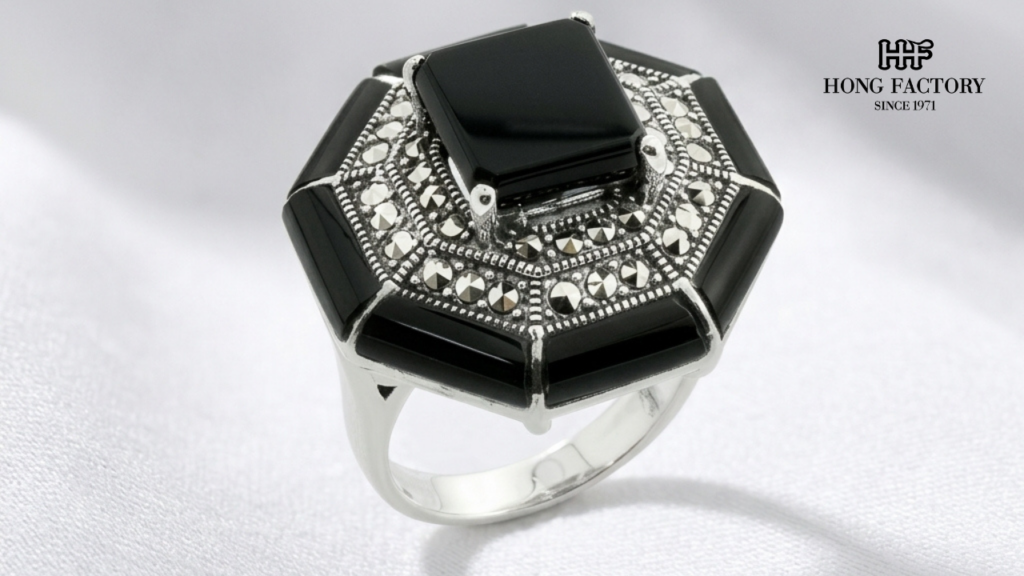
Why Rhodium Plating Is Used on Sterling Silver Jewelry
Rhodium plating is applied to sterling silver jewelry to [...]
Sep
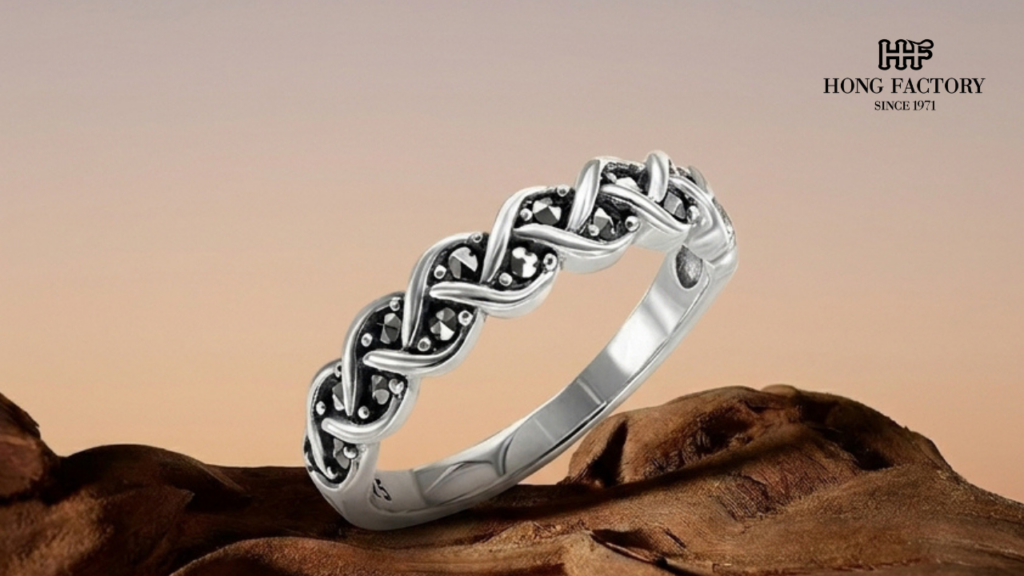
Why Sterling Silver 925 Is Popular for Jewelry Manufacturing
Sterling silver 925 is one of the most widely [...]
Sep
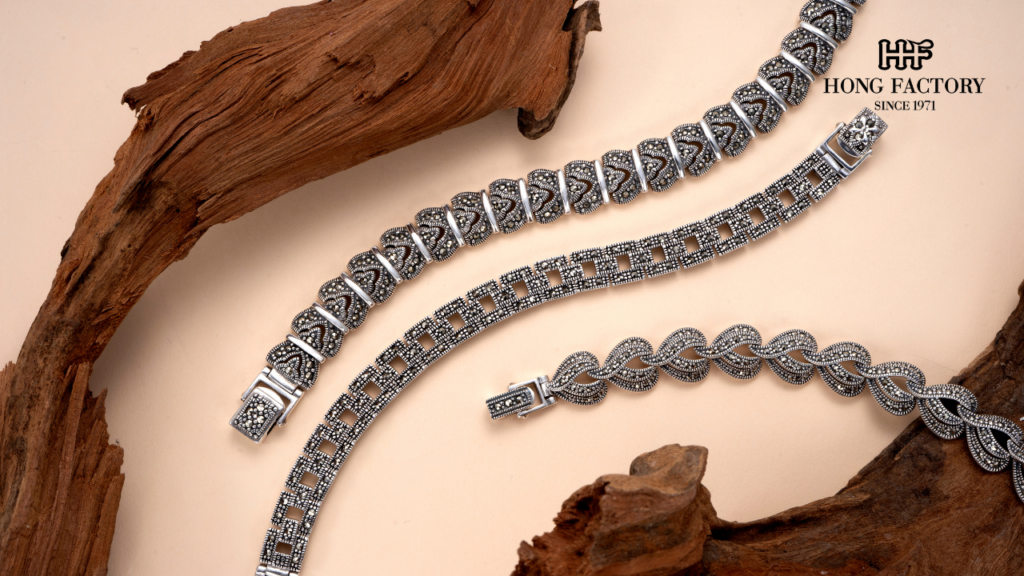
Inside a Jewelry Factory: How Sterling Silver Jewelry Is Made
Sterling silver jewelry may look delicate and effortless, but [...]
Sep
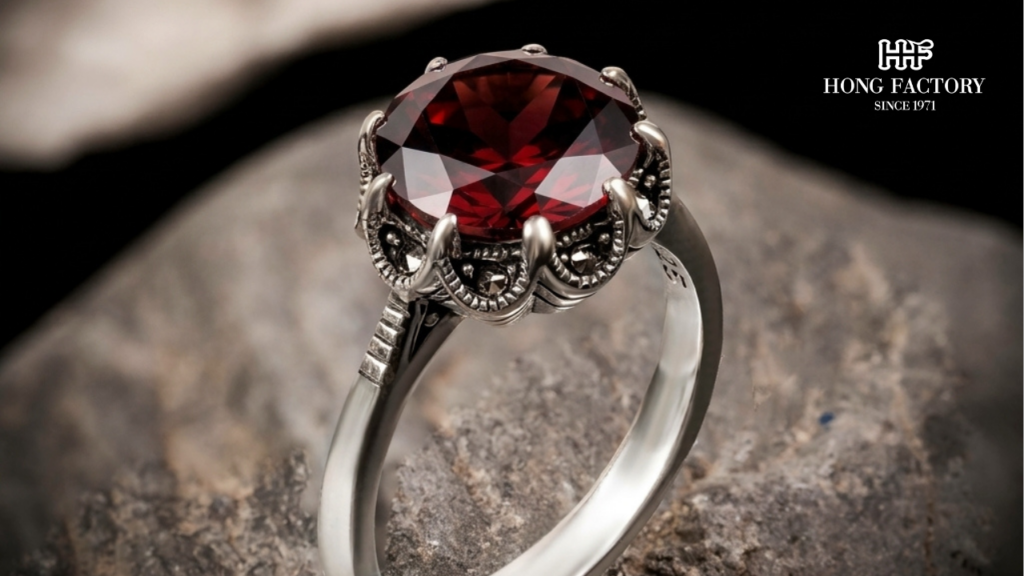
Garnet Gemstone: Meaning, Colors and Jewelry Guide
Garnet is a popular gemstone family known for its [...]
Sep
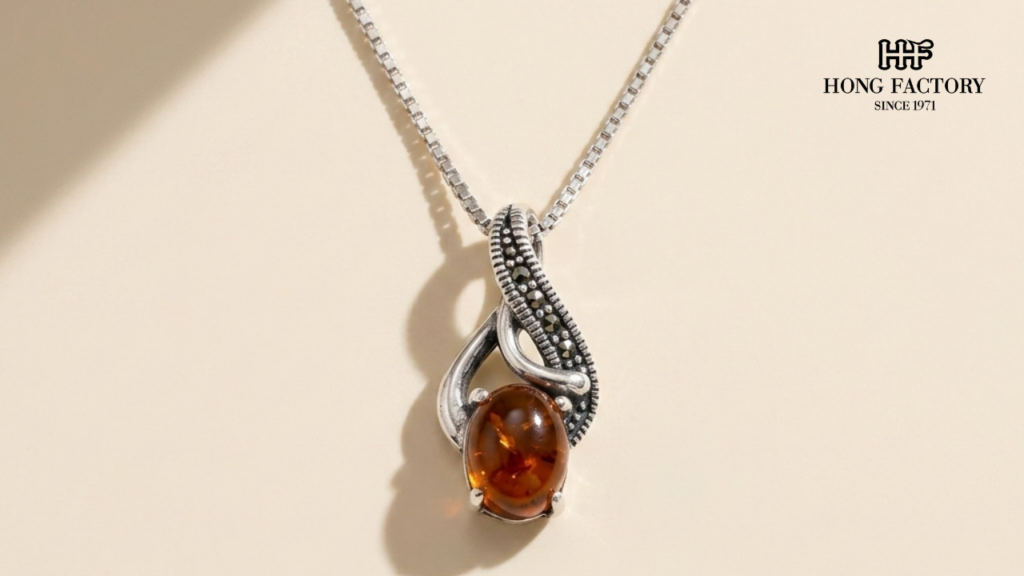
Citrine Gemstone: Meaning, Color and Jewelry Guide
Citrine is a popular gemstone known for its warm [...]
Sep
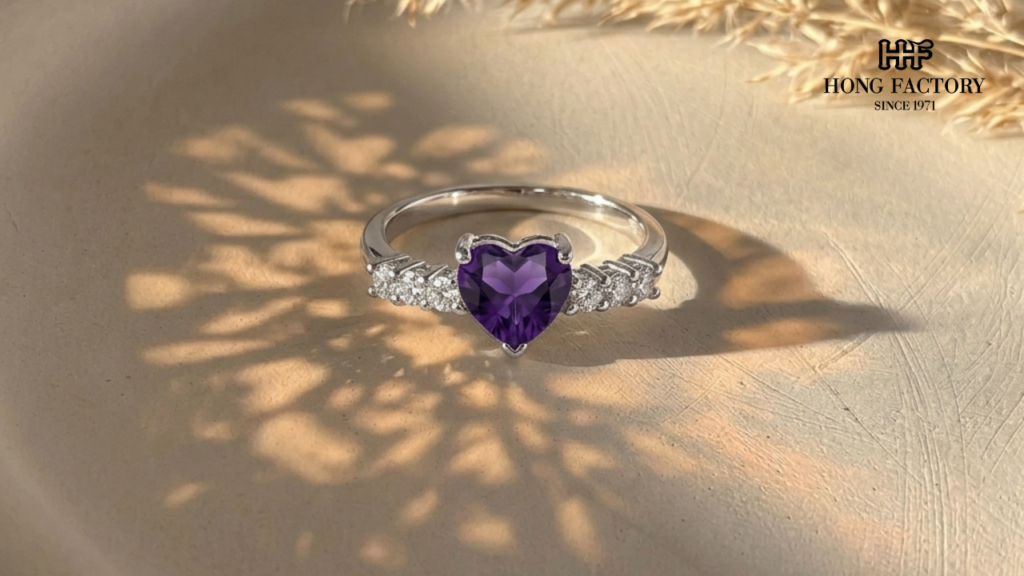
Amethyst Gemstone: Meaning, Color and Jewelry Guide
Amethyst is a popular gemstone known for its beautiful [...]
Sep
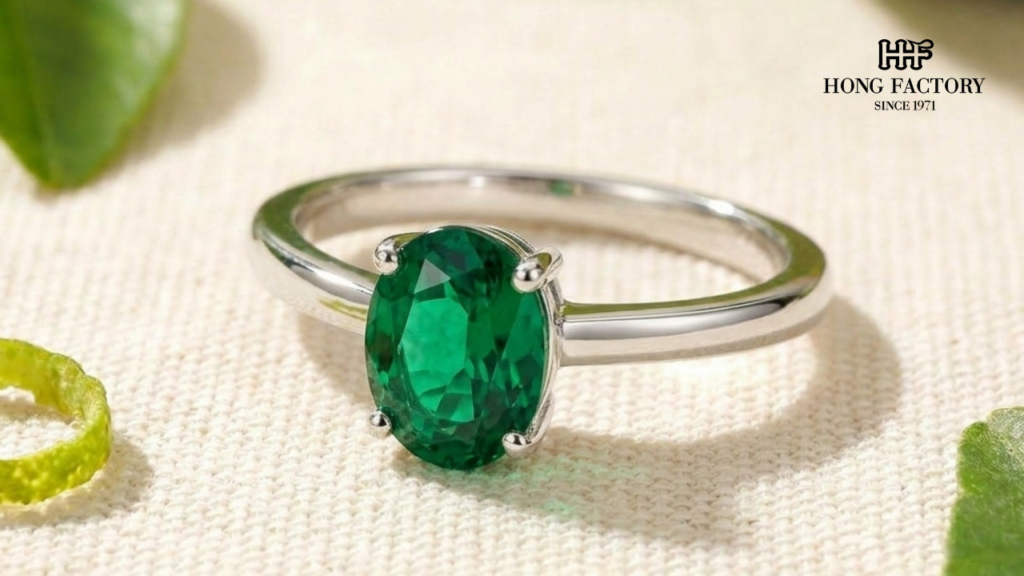
Emerald Gemstone: Meaning, Color and Jewelry Guide
Emerald is a popular gemstone known for its rich [...]
Sep
Sapphire Gemstone: Meaning, Colors and Jewelry Guide
Sapphire is a popular gemstone known for its beauty, [...]
Sep