

When shopping for gemstone jewelry, one of the first questions buyers often encounter is whether to choose a natural gemstone or a synthetic one. At first glance, both may appear nearly identical, displaying the same vibrant colors, brilliance, and durability. However, their origins, rarity, value, and pricing can differ significantly.
Understanding Natural vs Synthetic Gemstones is essential for making informed purchasing decisions. Whether you’re buying an engagement ring, a birthstone necklace, or a pair of sterling silver earrings, knowing the differences will help you select jewelry that fits both your budget and personal preferences.
In this guide, we’ll explain how natural and synthetic gemstones are created, compare their characteristics, discuss common misconceptions, and help you determine which option is right for you.

What Are Natural Gemstones?
Natural gemstones are minerals or organic materials that form naturally within the Earth over millions of years. Through intense heat, pressure, and geological processes, these stones develop their unique crystal structures and colors.
After mining, gemstones are cut, polished, and prepared for use in jewelry.
Popular natural gemstones include:
- Diamond
- Ruby
- Sapphire
- Emerald
- Garnet
- Amethyst
- Aquamarine
- Topaz
- Peridot
- Tourmaline
Because each gemstone is created by nature, no two natural stones are exactly alike.
What Are Synthetic Gemstones?
Synthetic gemstones are created in laboratories using advanced technology that replicates the natural conditions under which gemstones form.
Unlike imitation or fake gemstones, synthetic gemstones have the same chemical composition, crystal structure, hardness, and optical properties as their natural counterparts.
The only significant difference is their origin.
Common laboratory-created gemstones include:
- Lab-grown diamonds
- Synthetic ruby
- Synthetic sapphire
- Lab-created emerald
- Synthetic spinel
- Synthetic alexandrite
When discussing Natural vs Synthetic Gemstones, it’s important to understand that synthetic does not mean fake—it simply means human-made.

Natural vs Synthetic Gemstones: The Main Differences
Although they may look alike, several factors distinguish natural gemstones from synthetic ones.
Origin
Natural gemstones are formed deep within the Earth over millions of years.
Synthetic gemstones are grown in laboratories within weeks or months using controlled scientific processes.
This difference in origin is the primary distinction in the Natural vs Synthetic Gemstones comparison.
Appearance
To the naked eye, natural and synthetic gemstones often appear identical.
Professional gemologists typically require specialized equipment to identify subtle differences in crystal growth patterns or inclusions.
Some synthetic gemstones are actually cleaner and more visually perfect than natural stones because they form in highly controlled environments.
Inclusions
Natural gemstones usually contain tiny internal characteristics known as inclusions.
These natural imperfections are created during geological formation and often serve as evidence of authenticity.
Synthetic gemstones may also contain inclusions, but their patterns differ from those found in natural stones.
Experienced gemologists use microscopes and laboratory instruments to distinguish between the two.
Rarity
Natural gemstones are limited by geological availability.
Some high-quality gemstones become increasingly rare as mining resources decline.
Synthetic gemstones, however, can be produced whenever demand requires, making them significantly more available.
Price Comparison
One of the biggest considerations when comparing Natural vs Synthetic Gemstones is price.
Natural gemstones generally cost more because they involve:
- Mining operations
- Limited availability
- Higher rarity
- Greater demand
- Complex grading
Synthetic gemstones are usually more affordable because laboratory production provides greater consistency and availability.
For buyers seeking larger stones within a limited budget, synthetic gemstones offer excellent value.

Durability
In most cases, natural and synthetic gemstones have identical hardness because they share the same crystal structure.
For example:
- Natural ruby: Mohs hardness 9
- Synthetic ruby: Mohs hardness 9
The same applies to sapphires, diamonds, and many other laboratory-created gemstones.
Durability is generally not a deciding factor in the Natural vs Synthetic Gemstones discussion.
Environmental Considerations
Many consumers today consider sustainability when purchasing jewelry.
Natural Gemstones
Mining operations may affect landscapes and ecosystems if not managed responsibly.
However, many modern mining companies follow ethical sourcing practices designed to reduce environmental impact and support local communities.
Synthetic Gemstones
Laboratory-grown gemstones eliminate traditional mining but still require significant energy and specialized equipment.
Their overall environmental impact depends largely on manufacturing methods and energy sources.
Both options can be responsibly produced when manufacturers follow ethical standards.

Popular Gemstones Available in Both Forms
Several gemstones are widely available as both natural and synthetic varieties.
Diamond
Lab-grown diamonds have become increasingly popular because they possess the same physical and chemical properties as natural diamonds while offering lower prices.
Ruby
Synthetic rubies display the same brilliant red color and exceptional hardness as natural rubies, making them popular for fine jewelry.
Sapphire
Blue sapphires are among the most common laboratory-created gemstones and are frequently used in rings, earrings, and pendants.
Emerald
Natural emeralds often contain visible inclusions, while synthetic emeralds typically appear cleaner and more transparent.
Which Option Is Better?
The answer depends on your priorities.
Choose Natural Gemstones If You Value:
- Geological rarity
- Natural origin
- Long-term collectability
- Traditional luxury
- Unique inclusions
Natural gemstones are often preferred for heirloom jewelry and investment-quality pieces.
Choose Synthetic Gemstones If You Want:
- Greater affordability
- Larger gemstone sizes
- Excellent clarity
- Consistent quality
- Outstanding visual beauty
Synthetic gemstones provide remarkable value without sacrificing appearance or durability.

How to Verify Gemstone Authenticity
Regardless of whether you purchase natural or synthetic gemstones, buying from reputable jewelers is essential.
Look for:
Gemstone Certificates
Independent gemological laboratories provide reports describing:
- Gemstone identity
- Natural or synthetic origin
- Treatments
- Measurements
- Quality characteristics
Reputable Retailers
Professional jewelry retailers should clearly disclose whether gemstones are natural or laboratory-created.
Transparency builds trust and allows buyers to make informed decisions.
Material Information
Always ask questions about gemstone origin, treatments, and certifications before purchasing higher-value jewelry.
Caring for Natural and Synthetic Gemstones
Both natural and synthetic gemstones benefit from proper care.
Store Separately
Keep jewelry in individual pouches or compartments to prevent scratches.
Avoid Harsh Chemicals
Remove jewelry before swimming or using household cleaners.
Clean Regularly
Use warm water, mild soap, and a soft cloth unless the gemstone requires specialized cleaning.
Routine maintenance helps preserve brilliance regardless of gemstone origin.

Frequently Asked Questions
Are synthetic gemstones fake?
No. Synthetic gemstones have the same chemical composition and physical properties as natural gemstones. They differ only in how they are formed.
Can jewelers tell the difference between natural and synthetic gemstones?
Yes. Professional gemologists use microscopes and advanced laboratory equipment to identify growth patterns and inclusions unique to each origin.
Which is more valuable?
Natural gemstones generally command higher prices due to their rarity and geological origin.
Are synthetic gemstones suitable for engagement rings?
Absolutely. Many couples choose laboratory-created diamonds and gemstones because they offer excellent quality, durability, and affordability.
Understanding Natural vs Synthetic Gemstones allows buyers to make confident and informed jewelry purchases. While natural gemstones offer the beauty of Earth’s geological history and greater rarity, synthetic gemstones provide exceptional quality, durability, and affordability without compromising visual appeal.
Neither option is universally better—the right choice depends on your personal preferences, budget, and purchasing goals. Whether you choose a naturally formed ruby, a lab-created sapphire, or a sparkling diamond, buying from a reputable jeweler who provides transparent information and proper certification ensures you’ll enjoy your jewelry for many years to come.



Jewelry Blog

Why Rhodium Plating Is Used on Sterling Silver Jewelry
Rhodium plating is applied to sterling silver jewelry to [...]
Sep
Why Sterling Silver 925 Is Popular for Jewelry Manufacturing
Sterling silver 925 is one of the most widely [...]
Sep
Inside a Jewelry Factory: How Sterling Silver Jewelry Is Made
Sterling silver jewelry may look delicate and effortless, but [...]
Sep
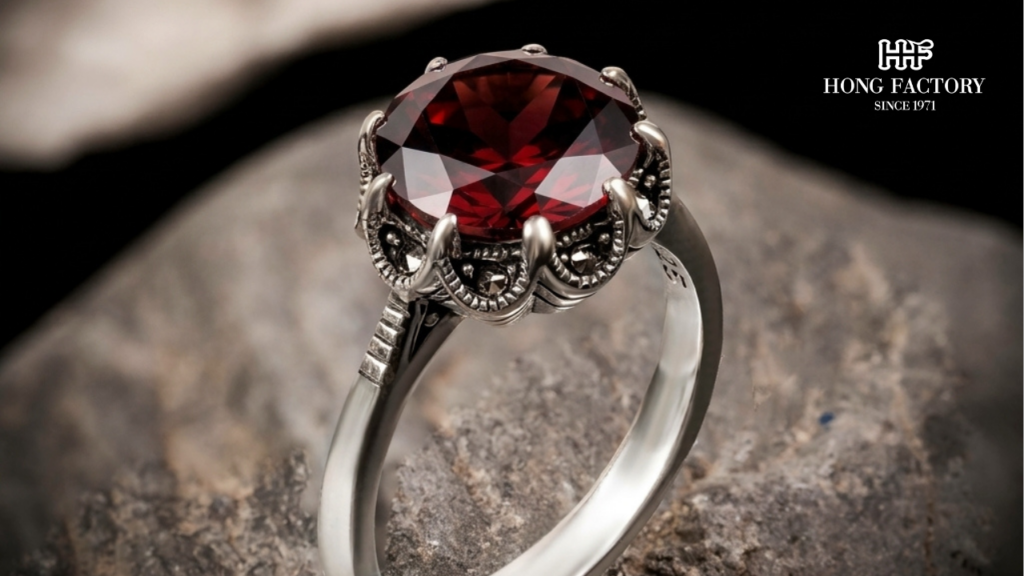
Garnet Gemstone: Meaning, Colors and Jewelry Guide
Garnet is a popular gemstone family known for its [...]
Sep
Citrine Gemstone: Meaning, Color and Jewelry Guide
Citrine is a popular gemstone known for its warm [...]
Sep
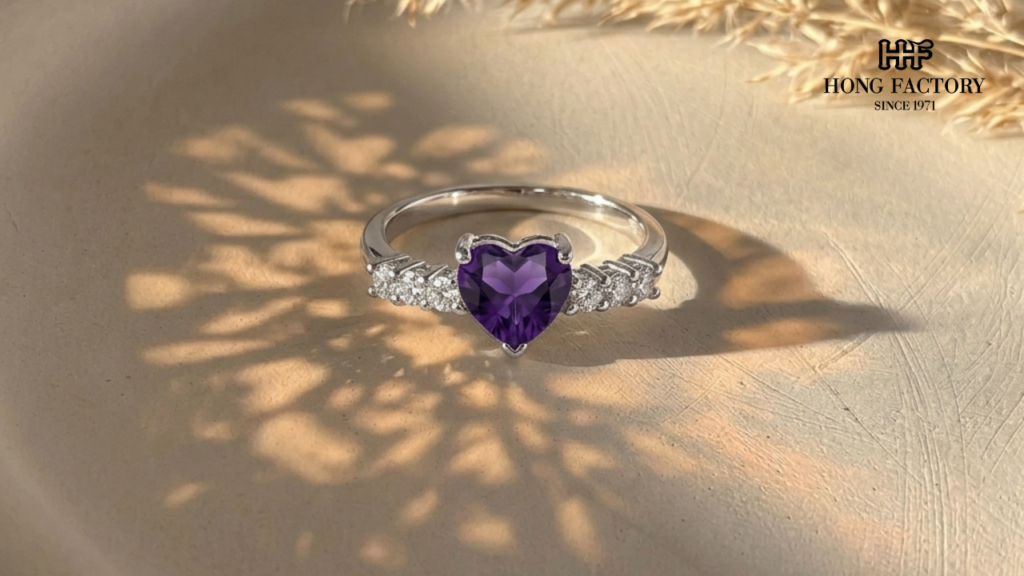
Amethyst Gemstone: Meaning, Color and Jewelry Guide
Amethyst is a popular gemstone known for its beautiful [...]
Sep
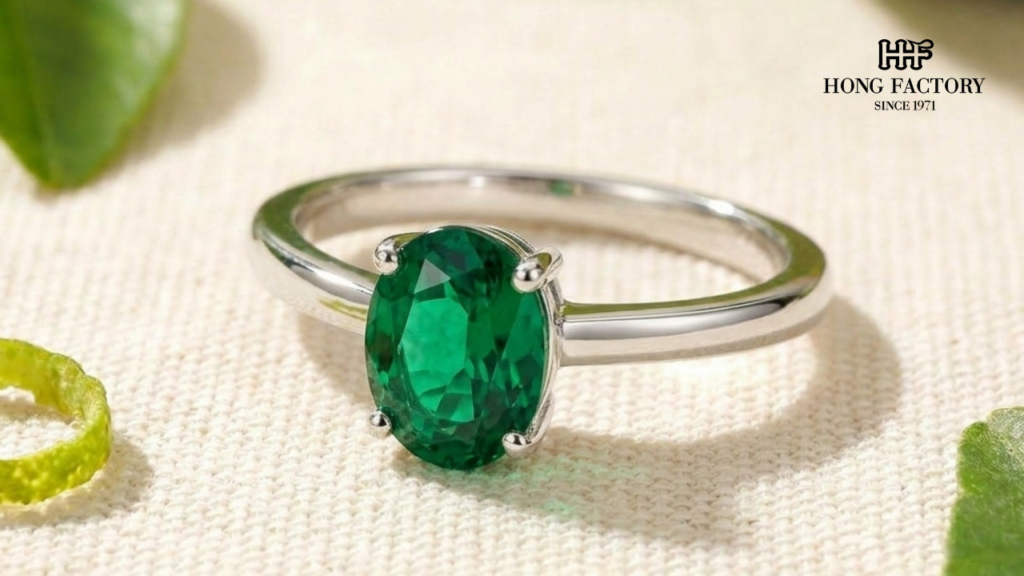
Emerald Gemstone: Meaning, Color and Jewelry Guide
Emerald is a popular gemstone known for its rich [...]
Sep
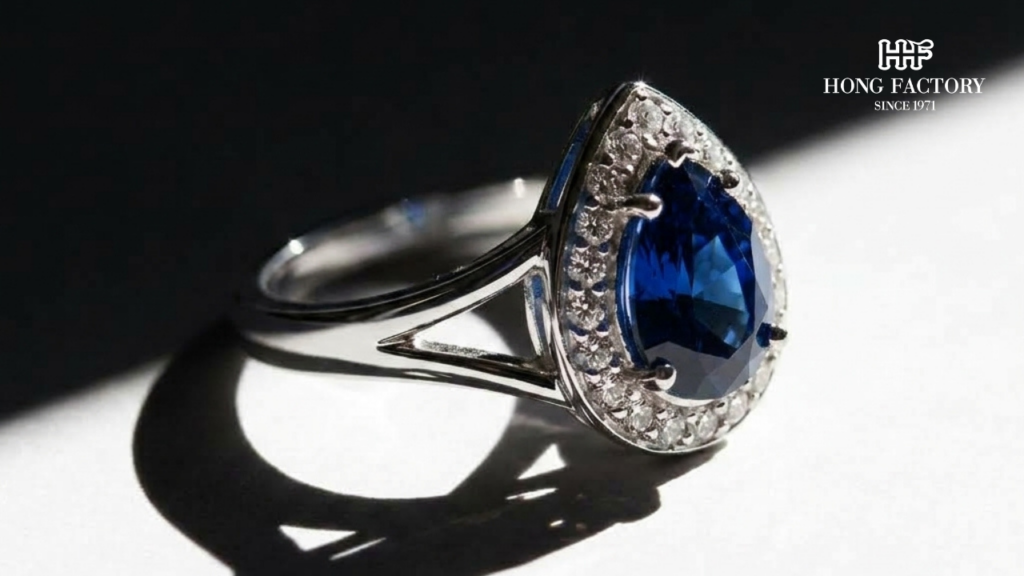
Sapphire Gemstone: Meaning, Colors and Jewelry Guide
Sapphire is a popular gemstone known for its beauty, [...]
Sep