
The marcasite jewelry market has evolved significantly over the years, offering retailers a diverse range of styles to meet changing consumer preferences. While vintage-inspired designs remain timeless favorites, contemporary collections continue to attract younger buyers seeking minimalist elegance and modern fashion.
For jewelry retailers, choosing between classic and modern designs isn’t always straightforward. Understanding the strengths of each category can help you build a balanced product assortment, improve customer satisfaction, and increase sales.
In this guide, we’ll compare Antique Style vs Contemporary Marcasite, explore the buying behavior of different customer groups, and provide practical strategies for selecting the right collections for your market.
Understanding Marcasite Jewelry
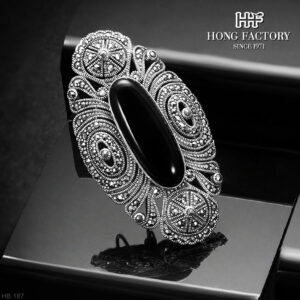
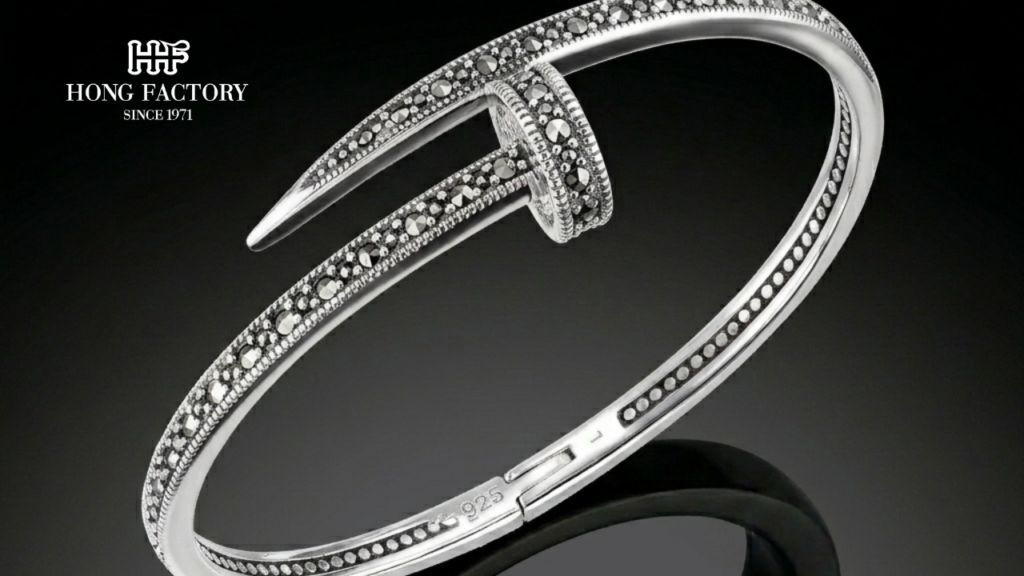
Marcasite jewelry is best known for its intricate craftsmanship, metallic sparkle, and timeless appeal. Most modern marcasite jewelry is handcrafted using 925 sterling silver set with specially cut pyrite stones that are traditionally referred to as marcasite.
The small, faceted stones create a sophisticated vintage appearance while allowing designers to produce highly detailed patterns that are difficult to achieve with larger gemstones.
Today, marcasite collections generally fall into two primary design categories:
- Antique Style
- Contemporary Style
Understanding the differences between these categories is essential when evaluating Antique Style vs Contemporary Marcasite.
What Defines Antique Style Marcasite?
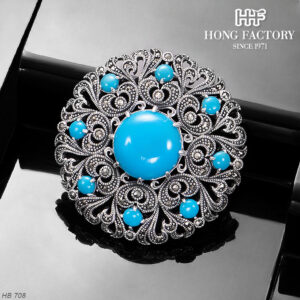
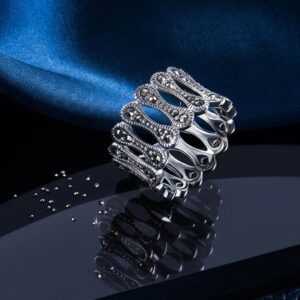
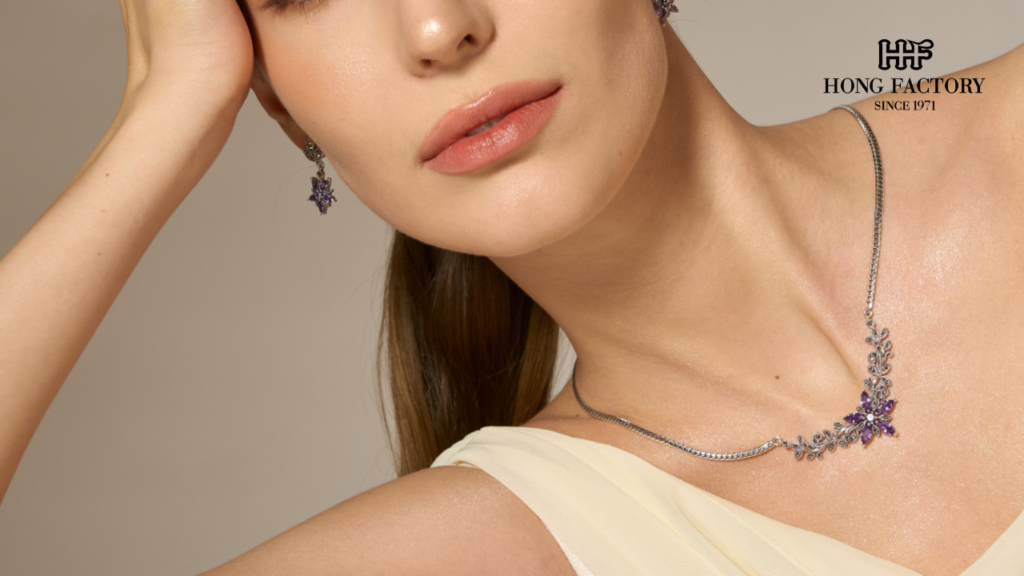
Antique style marcasite jewelry draws inspiration from historical jewelry movements, particularly the Victorian, Edwardian, and Art Deco periods.
These collections emphasize intricate detailing and handcrafted elegance.
Common characteristics include:
- Floral motifs
- Filigree patterns
- Milgrain edges
- Symmetrical geometric designs
- Oxidized sterling silver finishes
- Intricate stone placement
- Vintage-inspired silhouettes
Many customers choose antique-style jewelry because it reflects timeless sophistication and traditional craftsmanship.
Who Buys Antique Style Jewelry?
Retailers often find antique-style collections particularly popular among:
- Mature customers
- Vintage fashion enthusiasts
- Collectors
- Gift buyers
- Customers seeking heirloom-quality jewelry
These buyers typically value craftsmanship, heritage, and artistic detail more than rapidly changing fashion trends.
What Defines Contemporary Marcasite?
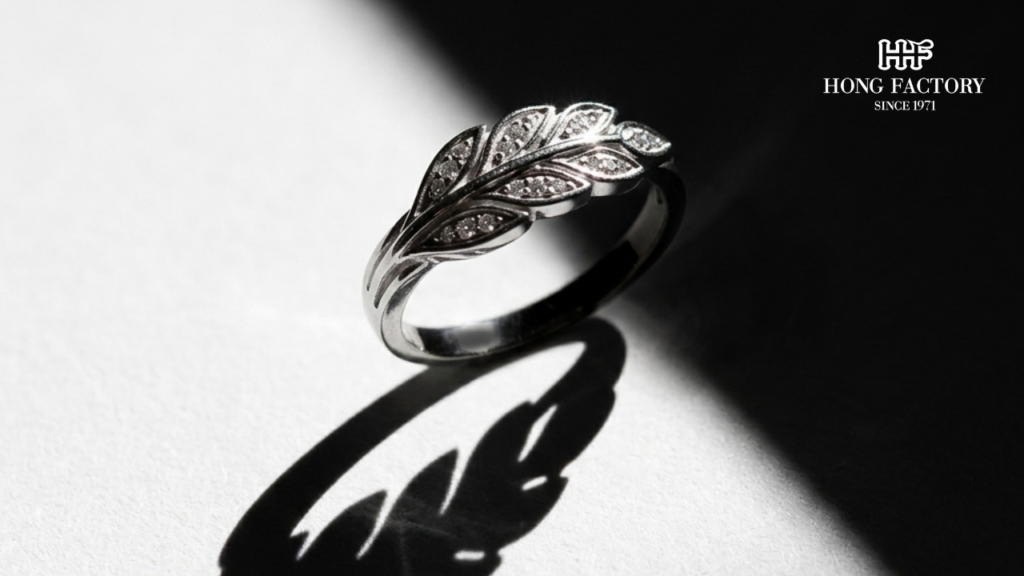
Contemporary marcasite jewelry combines traditional materials with modern aesthetics.
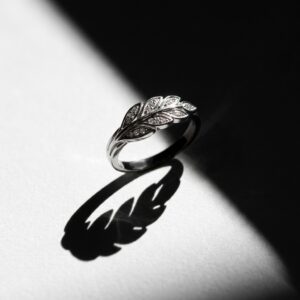
Rather than elaborate ornamentation, designers focus on clean lines and versatile silhouettes suitable for everyday wear.
Typical features include:
- Minimalist designs
- Geometric shapes
- Smooth silver surfaces
- Lightweight construction
- Modern proportions
- Elegant simplicity
Contemporary collections are designed to complement today’s fashion while preserving the distinctive metallic sparkle of marcasite.
Who Buys Contemporary Jewelry?
Modern marcasite collections often appeal to:
- Millennials
- Generation Z
- Young professionals
- Office workers
- Fashion-conscious shoppers
- Everyday jewelry buyers
These customers frequently prioritize versatility, comfort, and minimalist elegance.
Antique Style vs Contemporary Marcasite: Design Comparison
When evaluating Antique Style vs Contemporary Marcasite, the visual differences become immediately apparent.
Antique Style
Antique collections focus on storytelling and historical inspiration.
Designs often feature:
- Dense marcasite stone settings
- Decorative silverwork
- Romantic themes
- Traditional craftsmanship
- Larger statement pieces
These collections attract customers who appreciate jewelry as wearable art.
Contemporary Style
Modern collections emphasize simplicity.
Common characteristics include:
- Open spaces
- Sleek surfaces
- Smaller stone accents
- Geometric balance
- Lightweight wearability
They blend easily with today’s casual and professional wardrobes.
Which Style Sells Better?
The answer depends entirely on your target market.
There is no universal winner in the Antique Style vs Contemporary Marcasite debate.
Instead, retailers should evaluate customer demographics, regional preferences, and shopping behavior.
Mature Markets
Customers aged 45 and above often gravitate toward antique-inspired designs.
Reasons include:
- Appreciation for craftsmanship
- Familiarity with vintage aesthetics
- Preference for classic jewelry
- Interest in collectible pieces
These buyers frequently purchase jewelry for anniversaries, formal occasions, and personal collections.
Younger Markets
Consumers under 40 generally prefer contemporary jewelry because it matches modern fashion trends.
They appreciate:
- Everyday versatility
- Minimalist styling
- Layering options
- Lightweight comfort
Contemporary designs also perform well in online retail because of their broad appeal.
Regional Market Preferences
Consumer preferences vary considerably across global markets.
Europe
European customers often appreciate antique-style marcasite because of its connection to Victorian and Art Deco design traditions.
Vintage-inspired sterling silver jewelry continues to enjoy strong demand throughout many European countries.
North America
The North American market supports both styles.
Contemporary collections dominate everyday fashion, while antique designs perform well in specialty boutiques and gift stores.
Retailers often achieve the best results by offering both categories.
Asia
Asian consumers increasingly embrace contemporary minimalist jewelry, particularly among younger buyers.
However, antique-style collections remain popular for gifting and formal occasions.
Advantages of Antique Style Collections
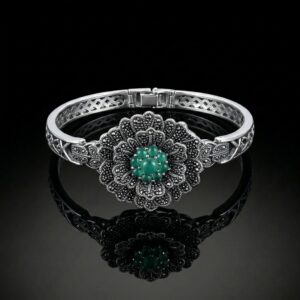
When comparing Antique Style vs Contemporary Marcasite, antique collections offer several business advantages.
Timeless Appeal
Classic designs rarely go out of fashion.
Retailers can carry them for multiple seasons with minimal risk of becoming outdated.
Higher Perceived Value
Detailed craftsmanship creates a premium appearance.
Customers often associate intricate designs with luxury and artisan skill.
Emotional Storytelling
Vintage-inspired jewelry naturally lends itself to storytelling, making it easier for sales associates to engage customers.
Advantages of Contemporary Collections
Modern collections also provide important benefits.
Faster Inventory Turnover
Simple, versatile designs appeal to broader audiences.
This often results in quicker sales and more frequent repeat purchases.
Everyday Wearability
Customers appreciate jewelry that transitions seamlessly between work, casual outings, and special occasions.
Fashion Flexibility
Contemporary pieces layer well with other jewelry, encouraging multiple-item purchases.
Building the Right Product Mix
Rather than choosing only one category, successful retailers often combine both styles.
A balanced assortment might include:
60% Contemporary Collections
- Everyday rings
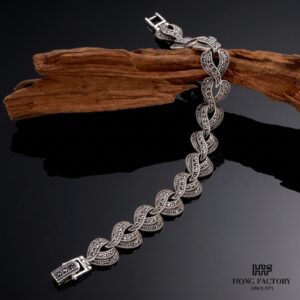
- Minimalist pendants
- Simple earrings
- Lightweight bracelets
These products generate steady year-round sales.
40% Antique Collections
- Statement rings
- Vintage brooches
- Floral pendants
- Art Deco earrings
These designs attract collectors and gift buyers seeking distinctive jewelry.
How to Merchandise Both Styles
Presentation plays a major role in customer purchasing decisions.
Separate Displays
Create dedicated sections for antique and contemporary collections.
This helps customers immediately identify the style that suits their preferences.
Tell the Story
Explain the inspiration behind each collection.
Customers often appreciate learning about Victorian elegance or modern minimalist design principles.
Encourage Mixing Styles
Many customers enjoy combining antique-inspired statement pieces with contemporary everyday jewelry.
This creates opportunities for additional sales.
Frequently Asked Questions
Is antique-style marcasite outdated?
Not at all. Antique-inspired jewelry remains one of the most enduring categories in sterling silver jewelry because of its timeless elegance and intricate craftsmanship.
Why is contemporary marcasite growing in popularity?
Modern consumers increasingly prefer lightweight, versatile jewelry that complements minimalist fashion trends and can be worn daily.
Which collection should new retailers stock first?
Retailers serving broad consumer markets often benefit from starting with a balanced assortment that includes both antique and contemporary designs.
Can customers wear antique and contemporary jewelry together?
Absolutely. Mixing vintage statement pieces with minimalist jewelry has become a popular styling trend that allows customers to express their individuality.
The debate over Antique Style vs Contemporary Marcasite is not about determining which design is objectively better—it is about understanding your customers. Antique-style collections continue to captivate buyers who value heritage, intricate craftsmanship, and timeless elegance, while contemporary marcasite appeals to modern consumers seeking versatile, minimalist jewelry for everyday wear.
For most jewelry retailers, the strongest strategy is not choosing one over the other but offering a thoughtfully balanced collection that reflects the preferences of their target market. By combining classic vintage-inspired pieces with sleek contemporary designs, retailers can appeal to multiple customer segments, encourage repeat purchases, and remain competitive in an ever-changing jewelry industry.
Ultimately, the most successful stores recognize that customer tastes evolve, but beautifully crafted marcasite jewelry—whether antique or contemporary—will always have a place in the market.



Jewelry Blog
Opaque vs Transparent Gemstones: How to Choose the Right Stone for Each Jewelry Type
Choosing the perfect gemstone involves more than selecting your [...]
Aug
Hardness Scale for Gemstones: Mohs Scale Explained for Jewelry Designers
Choosing the perfect gemstone is about much more than [...]
Aug
Natural vs Synthetic Gemstones: What Every Jewelry Buyer Needs to Know
When shopping for gemstone jewelry, one of the first [...]
Aug
Birthstones by Month: The Complete Guide to All 12 Gemstones
Birthstone jewelry has been cherished for centuries, combining beauty [...]
Jul
Antique Style vs Contemporary Marcasite: Which Sells Better in Your Market?
The marcasite jewelry market has evolved significantly over the [...]
Jul
How to Handle Marcasite Stones That Fall Out: A Retailer’s Repair Guide
Marcasite jewelry has long been admired for its vintage [...]
Jul
July Birthday Gift Guide: Ruby Jewelry Ideas for Every Budget
Finding the perfect birthday gift can be challenging, especially [...]
Jul
Nickel-Free Silver Jewelry: Why It Matters for Sensitive Skin Markets
The global jewelry industry has evolved significantly over the [...]
Jul