
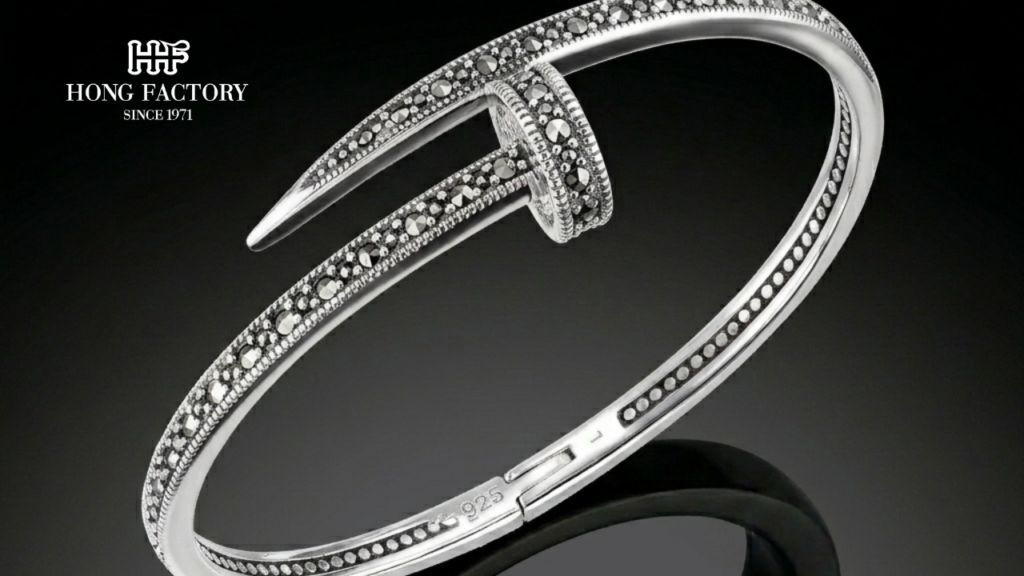
Marcasite jewelry has long been admired for its vintage charm, intricate craftsmanship, and timeless elegance. From sterling silver rings and pendants to earrings and brooches, marcasite pieces remain popular among customers who appreciate classic jewelry with sophisticated detail. However, because marcasite jewelry often features dozens—or even hundreds—of individually set stones, one of the most common after-sales concerns for retailers is dealing with loose or missing stones.
Knowing how to Handle Marcasite Stones professionally is essential for protecting customer satisfaction and maintaining your store’s reputation. A well-managed repair process not only restores a beautiful piece of jewelry but also builds trust and encourages repeat business.
In this guide, we’ll explain why marcasite stones fall out, how retailers should approach repairs, preventive measures that reduce future issues, and best practices for communicating with customers.

Why Do Marcasite Stones Fall Out?
Before learning how to Handle Marcasite Stones, it’s important to understand why stones become loose in the first place.
Contrary to popular belief, a missing stone does not necessarily indicate poor craftsmanship. Even high-quality handcrafted marcasite jewelry can occasionally require maintenance after years of wear.
Several factors contribute to stone loss.
Daily Wear and Impact
Marcasite stones are small and individually set into sterling silver.
Repeated impacts against hard surfaces—such as desks, countertops, or door handles—can gradually weaken the tiny beads or prongs holding each stone.
Over time, this may allow a stone to loosen or fall out.
Natural Metal Wear
Sterling silver is durable, but like all precious metals, it experiences gradual wear through everyday use.
After years of regular wear, microscopic movement around stone settings may occur, especially on rings and bracelets that receive frequent contact.
Improper Storage
Jewelry stored loosely with other pieces may rub together during transportation or storage.
Repeated friction can eventually affect delicate settings.
Encouraging customers to store jewelry individually helps reduce unnecessary wear.
Accidental Damage
Dropping jewelry onto hard surfaces or exposing it to excessive force may damage stone settings immediately.
This is particularly common with rings that absorb direct impact during daily activities.
Inspect Before You Repair
A careful inspection is the first step when deciding how to Handle Marcasite Stones.
Never replace a missing stone immediately without evaluating the entire jewelry piece.
Look for:
- Additional loose stones
- Bent settings
- Worn beads
- Cracks in the silver
- Deformed jewelry components
A comprehensive inspection helps prevent repeat repairs and ensures long-term durability.
Determine Whether the Stone Is Missing or Loose
Repair methods differ depending on the condition.
Loose Stone
If the stone remains in place but moves slightly, the existing setting may simply require tightening.
This is often the easiest repair.
Missing Stone
When the stone has completely fallen out, retailers must locate a properly sized replacement that matches:
- Shape
- Diameter
- Color
- Facet style
- Surface finish
Maintaining consistency is essential because mismatched stones are immediately noticeable in marcasite jewelry.
Choosing the Correct Replacement Stone
One of the most important aspects of learning to Handle Marcasite Stones is selecting the proper replacement.
Traditional marcasite jewelry uses specially cut pyrite stones featuring a distinctive metallic gray appearance.
The replacement stone should match:
Stone Size
Measure the setting accurately using professional calipers.
Even differences of a few tenths of a millimeter can affect the repair quality.
Surface Appearance
Choose stones with similar metallic luster and color.
Avoid mixing overly bright stones with naturally aged marcasite unless restoring the entire piece.
Cutting Style
The replacement should match the surrounding stones.
Inconsistent facet styles reduce the visual harmony of the jewelry.
Repair Techniques
Professional repair requires patience and precision.
Cleaning the Setting
Before installing a replacement stone, remove dirt, oxidation, and any remaining adhesive residue from the setting.
A clean surface ensures proper seating.
Resetting the Stone
If the jewelry uses traditional bead setting, carefully tighten the surrounding silver to secure the stone.
Avoid excessive pressure that could chip the stone.
Adhesive-Assisted Repairs
Some vintage marcasite jewelry incorporates specialized jewelry adhesives alongside mechanical settings.
Only use professional-grade products designed specifically for jewelry repair.
Household glues should never be used because they deteriorate over time and may discolor the jewelry.
Final Inspection
After the repair:
- Check neighboring stones
- Confirm stone alignment
- Test for movement
- Polish the repaired area
- Ensure symmetry with surrounding settings
Quality control is just as important as the repair itself.
Preventing Future Stone Loss
Understanding how to Handle Marcasite Stones also means helping customers avoid future problems.
Recommend Proper Storage
Advise customers to:
- Store jewelry separately
- Use soft pouches
- Avoid overcrowded jewelry boxes
These simple habits reduce scratches and unnecessary pressure on stone settings.
Encourage Gentle Cleaning
Customers should clean marcasite jewelry using:
- Soft polishing cloths
- Mild soap
- Lukewarm water
Avoid ultrasonic cleaners unless the jewelry manufacturer specifically recommends them.
Remove Jewelry During Physical Activities
Activities such as:
- Sports
- Gardening
- Heavy lifting
- House cleaning
increase the likelihood of accidental impacts that may loosen stones.
Regular Maintenance
Encourage customers to have frequently worn jewelry inspected periodically.
Preventive maintenance often identifies loose settings before stones are lost.

Customer Service Best Practices
Excellent after-sales support distinguishes professional jewelry retailers.
Respond Quickly
When customers report missing stones, acknowledge the issue promptly and explain the repair process clearly.
Fast communication builds confidence.
Set Realistic Expectations
Explain:
- Estimated repair time
- Stone availability
- Potential costs
- Warranty coverage
Transparency reduces misunderstandings.
Keep Spare Stones
Retailers specializing in marcasite jewelry benefit from maintaining an inventory of commonly used replacement stones.
This significantly shortens repair turnaround times.
Partner with Experienced Repair Technicians
Not every jeweler specializes in marcasite settings.
Working with technicians experienced in vintage sterling silver jewelry helps ensure high-quality repairs that preserve the original design.
Building Customer Confidence Through Repairs
Professional repairs can strengthen customer relationships rather than simply solve problems.
Customers appreciate retailers who:
- Stand behind their products
- Offer repair services
- Provide maintenance advice
- Communicate honestly
- Preserve the original craftsmanship
A positive repair experience often leads to repeat purchases and word-of-mouth recommendations.
Frequently Asked Questions
Do marcasite stones commonly fall out?
Not necessarily. High-quality marcasite jewelry is designed for long-term wear, but like all stone-set jewelry, occasional maintenance may be required after years of regular use or accidental impact.
Can a missing marcasite stone always be replaced?
In most cases, yes. The success of the repair depends on finding a replacement stone that matches the original size, color, and cutting style.
Should customers attempt repairs themselves?
No. DIY repairs may damage delicate sterling silver settings or permanently affect the jewelry’s appearance. Professional repair is always recommended.
How long does a typical marcasite repair take?
Simple repairs can often be completed within a few days, while more complex restorations requiring custom replacement stones may take longer depending on stone availability.
Learning how to Handle Marcasite Stones professionally is an essential skill for jewelry retailers committed to providing exceptional customer service. Although occasional stone loss is a normal part of long-term jewelry ownership, a structured repair process ensures beautiful pieces can be restored while preserving their original elegance.
By understanding the causes of stone loss, selecting matching replacement stones, performing careful inspections, and educating customers about proper jewelry care, retailers can minimize future repairs and build lasting customer trust. Ultimately, outstanding after-sales service transforms a simple repair into an opportunity to demonstrate craftsmanship, reliability, and a genuine commitment to quality—qualities that keep customers returning for years to come.



Jewelry Blog
Why Rhodium Plating Is Used on Sterling Silver Jewelry
Rhodium plating is applied to sterling silver jewelry to [...]
Sep
Why Sterling Silver 925 Is Popular for Jewelry Manufacturing
Sterling silver 925 is one of the most widely [...]
Sep
Inside a Jewelry Factory: How Sterling Silver Jewelry Is Made
Sterling silver jewelry may look delicate and effortless, but [...]
Sep
Garnet Gemstone: Meaning, Colors and Jewelry Guide
Garnet is a popular gemstone family known for its [...]
Sep
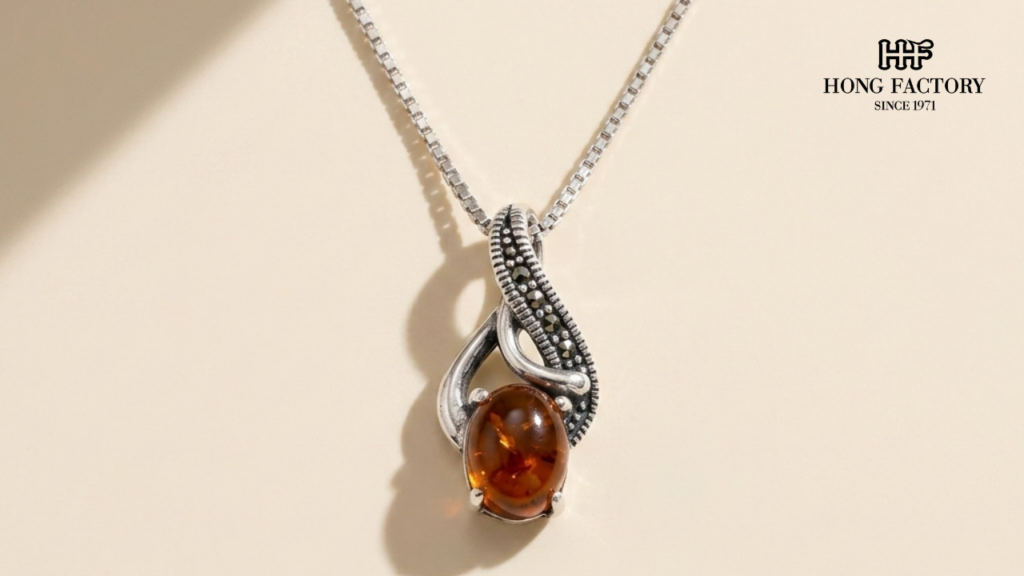
Citrine Gemstone: Meaning, Color and Jewelry Guide
Citrine is a popular gemstone known for its warm [...]
Sep
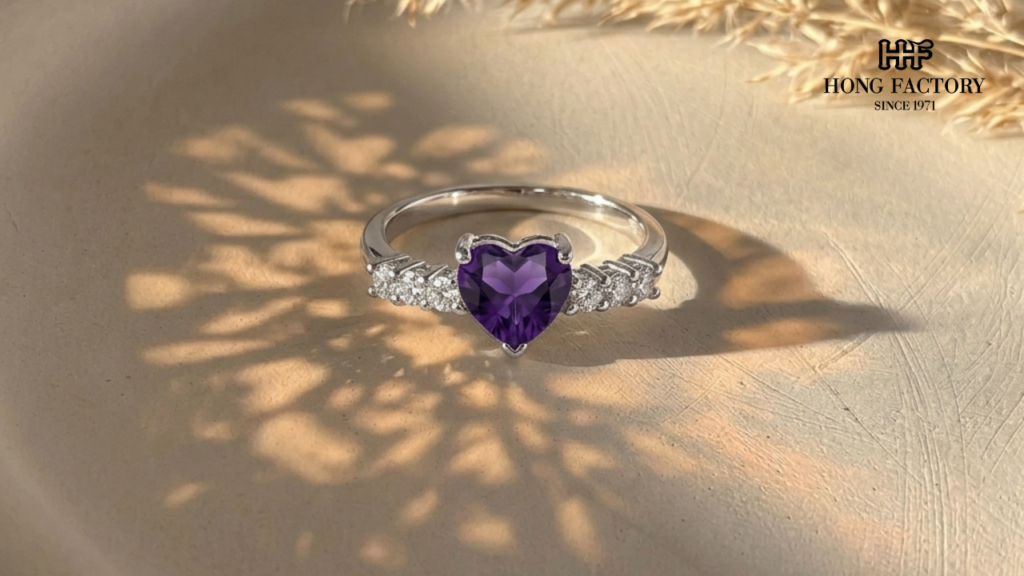
Amethyst Gemstone: Meaning, Color and Jewelry Guide
Amethyst is a popular gemstone known for its beautiful [...]
Sep
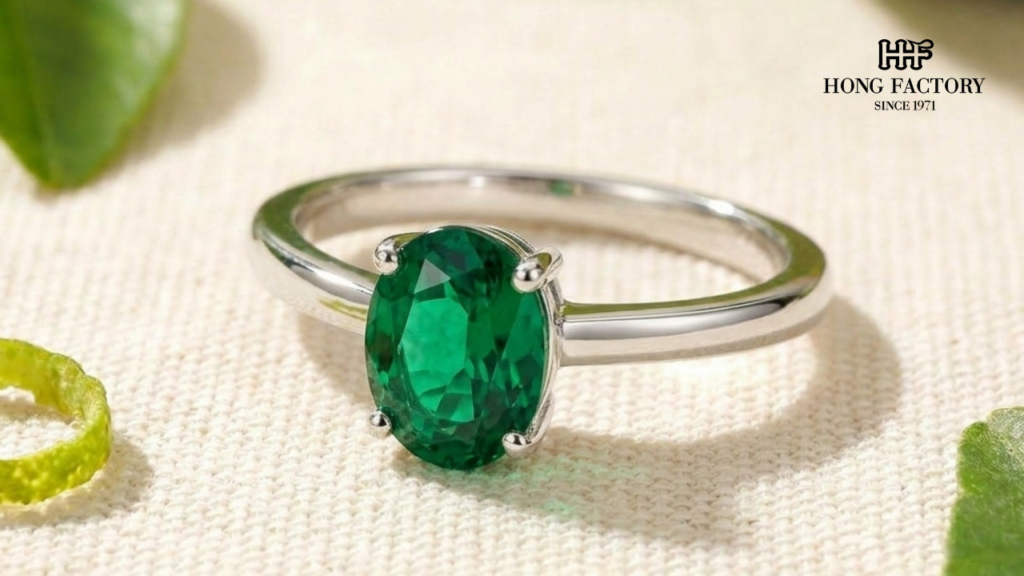
Emerald Gemstone: Meaning, Color and Jewelry Guide
Emerald is a popular gemstone known for its rich [...]
Sep
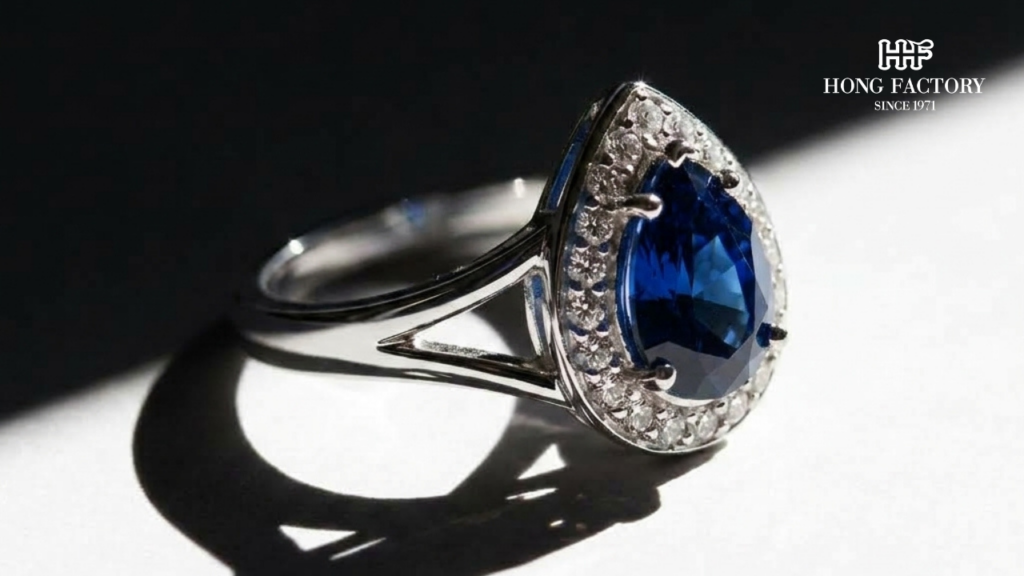
Sapphire Gemstone: Meaning, Colors and Jewelry Guide
Sapphire is a popular gemstone known for its beauty, [...]
Sep